Eco-Friendly Ways to Dispose of Dog Poop
You’re walking your dog back home, after they’ve finished their business, leash in one hand, poop bag in the other. You toss the bag in the nearest trash can you can find. But is that really an eco-friendly dog poop disposal approach? This very question led me to the surprising discovery that dog poop isn’t a natural fertilizer, the way cow manure is. It’s packed with undigested protein, bacteria and parasites that can pollute water and harm wildlife.
So, I made a conscious shift toward sustainable dog waste management. In this guide, I unpack all that I have learned about eco-friendly dog poop disposal, from composting tricks to green poop bags, digesters and community programs. If you’re interested in reducing dog waste impact, you’ll find all the practical advice you need to get started.
The Environmental Impact of Dog Poop
Dog poop is not a benign garden gift. It contains millions of bacteria, viruses and parasites, right from Giardia to E. coli and roundworm, from your dog’s gut that can seep into soil and waterway. Did you know that one gram of dog waste can contain up to 23 million fecal coliform bacteria? Left on the ground, these microbes wash into our springs, rivers or storm drains, creating health hazards.
Another reason why dog poop is harmful is the presence of excess amounts of nutrients like nitrogen and phosphorus, which are far more than what plants or green spaces need. Rain can carry this excess into streams and lakes, causing algae blooms that choke fish.
Unlike cow manure, our pets’ waste hasn’t been through a safe fermentation process. In fact, raw dog poop is so acidic and pathogen-rich it can burn grass, not grow it. Tossing waste in the trash seems easy, but even then the plastic bag and the poop still head to landfill, where the bag lives on forever and the waste rots anaerobically, releasing potent methane. As you can see, the environmental impact of dog poop not disposed of the right way is significant. And dog waste pollution is something every conscious pet parent should be mindful of.
Why Traditional Disposal Methods Are Problematic
We’ve all piled poop bags in the trash or buried bags in a corner of the yard, thinking we’ve done our duty. But these traditional dog poop disposal methods have hidden costs. A single plastic poop bag can linger in a landfill for years, breaking into microplastics as it slowly degrades. Worse, organic waste in landfills ferments without oxygen, producing methane—a greenhouse gas far more potent than CO₂.
Even if you buy “biodegradable” bags, they typically need oxygen to break down, which a landfill lacks. So your $12 biodegradable rolls may survive nearly as long as regular plastic and do nothing to address the landfill dog waste issues.
Flushing poop down the toilet, without the bag, of course, is actually what organizations like the the Environmental Protection Agency recommend as an effective counter for plastic poop bags pollution issue. But there’s a catch: if you have a septic tank or an older plumbing system, flushing pet waste can overload it. And let’s face it, it’s not the sanitary option for the person doing the flushing.
Another traditional approach to disposing of dog poop is burying bags in the yard. But that’s a bad idea too. Parasite eggs in buried poop can live in soil for months, posing a risk to other pets and even kids.
Eco-Friendly Dog Poop Disposal Methods
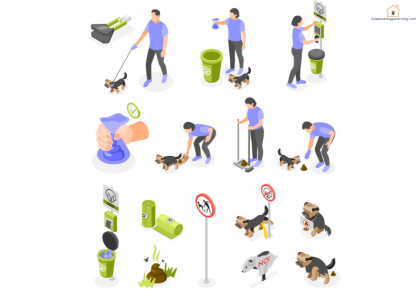
One thing is clear as day: we need smarter solutions to dog poop disposal. Let’s explore a few of them:
Composting Dog Poop the Right Way
I admit, I was nervous about my first DIY composting dog poop, but over time, it has become my go-to eco-friendly choice, thanks to a neighbour who taught me the ropes of using a double-bin composter. It’s fairly simple, too. We drop fresh poop into one bin and let the other heat up and break down. This ensures our compost heap reaches the high temperatures needed to kill microbes.
We make it a point to mix the droppings with lots of “brown” carbon material such as chopped leaves, straw or sawdust. This limits smell and helps the heap cook up fast. To make sure you’re doing it right, check that the finished compost is crumbly, earthy and free of foul smells. According to the USDA, this properly composted dog waste is a safe soil amendment for lawns and landscaping. However, it should only be used for flower beds or shrubs, not vegetables.
Using Compostable Poop Bags
If composting in your backyard isn’t doable, switching bag types is a great start. But not all “green” bags are equal. Biodegradable simply means the bag can break down eventually, but there’s no guarantee when or how. Compostable, on the other hand, is a stricter label. In the US, look for the ASTM D6400 certification and in Europe, EN 13432 to know a bag meets industrial composting standards. Certified compostable bags are required to break down fully, within about 180 days, into natural elements, leaving no toxic residue. These eco dog poop bags disintegrate safely instead of polluting the planet.
Installing a Dog Waste Digester
For those with a backyard but no urban bin, a pet waste digester can be a lifesaver. Think of it as a miniature septic tank for dog poop. You simply drop the poop into the tank, add water and a special waste terminator tablet each time. Inside this sealed container, beneficial microbes and enzymes break solid waste down into clear liquid.
The liquid then drains slowly into the soil below, just like blackwater from a septic system. The result? Almost no smell above ground, and no plastic bags at all. The eco digester for dog poop is amazingly hands-off. You just need to top off the tank with water and fresh enzyme tablets every month or so, and nature takes care of the rest.
Green Community Disposal Programs
For city dwellers living in apartments, options like composting or a dog waste digester system may not be feasible. That’s where the power of community can come to the rescue. Some cities and dog parks now offer dog waste composting programs. For example, New York’s Battery Park City Authority set up dog runs where owners drop off bags into special compost bins.
Since 2019, they’ve collected thousands of pounds of waste and turned it into tested compost for public gardens. Similarly, regional organizations like Virginia’s askHRgreen even give out free pet waste stations to neighborhoods to encourage responsible cleanup.
You can check if your town has a community compost or pet waste station program, and join in. If not, talk to your park department or local environmental group. Many towns will install doggie bag dispensers or dedicated bins if residents ask.
What NOT to Do with Dog Poop
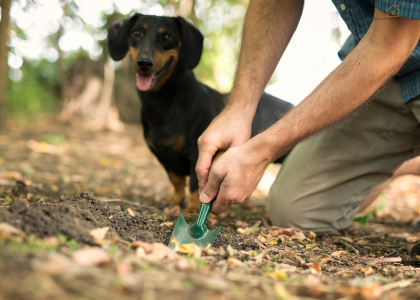
As important as eco-friendly options are, it’s just as crucial to be aware of unsafe dog poop disposal ways and steer clear of them. Here is what not to do with dog poop:
- Don’t ever toss unbagged poop in the trash or leave it on the lawn. Even if you think nature will take care of it, raw waste leaches bacteria into soil and water
- Don’t drop pet waste, even if it is bagged, into backyard veggie-compost, yard waste bins or public recycling. This can contaminate compost and harm waste streams
- Never bury dog poop deep in the garden or near streams. Buried waste can still poison groundwater and keep parasite eggs alive for months
When you’re not using an eco-alternative like a composter, digester, or green service, bag it and trash it securely. That’s infinitely better than leaving it on the ground. Just pick a certified compostable bag if possible. This keeps gardens, playgrounds and wildlife habitat safe from contaminants.
Small Changes That Make a Big Difference
You might be thinking this all sounds like a lot of work. But from a fellow dog-lover who’s been there: you don’t have to make drastic changes all that once. It’s okay to start with small eco changes that can reduce dog waste impact. For example, I started keeping an extra roll of certified compostable bags in my pocket and a mini air-tight bin at home. It took a month to build the habit, but it has become second nature. Little steps like this really add up.
One of the most actionable sustainable dog owner tips I’ve got for you is to start by swapping just one thing at a time. Switch to eco-bags or start a small corner compost bin, and see how it feels. Maybe when walking your dog, you carry home the bagged poop and add it to the compost instead of the curb. These small eco-aware habits grow into big change: cleaner neighborhoods, healthier parks, and responsible pet ownership becoming the standard.
Eco-Friendly Alternatives for Apartment Owners
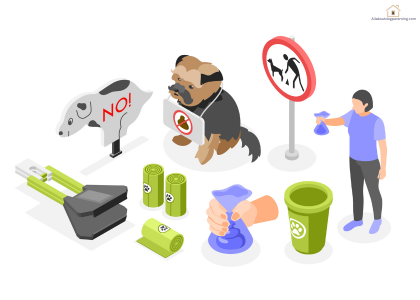
Living in an apartment does make things trickier, but there are still great green options if you get creative.
Using Dog Waste Collection Services
First, check if your city or complex offers dog poop pickup. Many green dog waste collection companies operate in urban areas. These services come to your building weekly or on demand, scoop the poop, and promise to dispose of it in an eco-conscious way. I’ve spoken to pet parents who subscribe to such plans and love it.
One tells me their service collects the bags and sends them to a local composter or biogas facility. Another simply uses a concierge-deposit model that involved dropping sealed bags in a lobby bin. It costs around $15–$25/month, but as an eco-friendly, hands-free solution it’s worth considering.
Indoor Compost Solutions for Small Spaces
If you have zero yard space but a private balcony, look into compact pet composting. One option is a Bokashi bucket: you scoop poop into a sealed bucket and layer it with inoculated bran, harboring special microbes. Within ~10 days the waste ferments. The end result can then be buried or planted because the fermentation kills off most pathogens. It’s odor-free if kept closed tightly. Another indoor option is a small enzymatic digester. These units contain bacteria or enzymes that break poop into liquid. With a charcoal filter, odor is minimal.
Partnering with Local Green Programs
Even renters can rally for change. Talk to your property manager or tenants’ association about pet waste. Perhaps nearby community gardens would welcome compostable contributions from dogs. If such a program doesn’t exist, you can even consider starting one by gathering a few neighbors, buying a shared compost tumbler, and taking turns handling it. Or simply form a “green dog-walking” group to lobby your parks department for a pet waste station. The key is raising awareness.
FAQs About Eco-Friendly Dog Poop Disposal
1. Can dog poop be composted safely?
Yes, but only under the right conditions. You need a dedicated pet-waste composter or bokashi bucket, high enough heat, and careful handling. The USDA notes that properly composted dog waste is a safe soil additive for lawns or plants, except for your vegetable garden. In practice, that means using a double-bin system or an indoor fermenter to ensure pathogens are destroyed. Don’t be afraid to try a small compost pile with lots of carbon like leaves and sawdust, and just let it cure fully.
2. Are biodegradable bags really eco-friendly?
It depends on what you mean by biodegradable. Unqualified biodegradable bags often need industrial conditions or years to break down, and in a landfill they act just like plastic. True eco-friendly bags are certified compostable, look for ASTM D6400 or EN 13432 labels. Those are proven to decompose fully into harmless substances in a commercial composter. Bear in mind, if a bag is just marked “biodegradable”, with no certification, it might not break down on its own. But a certified compostable bag, often also called biodegradable by marketers, will degrade in months.
3. Is flushing dog poop safe?
Flushing unbagged dog poop down the toilet can be the most eco-friendly if done properly. Both the EPA and environmental groups say flushing sends waste to sewage treatment instead of landfill. But do this only if you’re on a city sewer system, not a septic tank. And never flush bags or wipes. They clog pipes.
4. What’s the best way to dispose without plastic?
If you want zero-plastic, consider the old-fashioned scoop: bag the poop in a compostable bag, and either flush or compost it. The key is keeping the waste out of single-use plastics, by flushing responsibly, composting, or using reusables like a scoop that dumps into a can with brown material. These options greatly cut plastic use and landfill waste.
Final Takeaway
Disposing of dog poop responsibly is just part of being an eco-friendly pet owner. Every time you dispose of your pet’s poop correctly, you’re making a seemingly small but significant contribution toward keeping rivers cleaner, reducing the emission of greenhouse gases, and fewer plastic bags in the landfills. Using compostable bags, setting up a digester, or composting safely in our yards turns waste into something useful. It might seem like a small chore, but these small actions create a big ripple effect.