Puppy Care Checklist: What Local Perth Vets Recommend
Bringing a new puppy is the beginning of an exciting new journey. Alongside the fun and joy, comes the responsibility of your furry baby’s well-being. Perth’s sunny, beachside lifestyle comes with special puppy care needs. In this warm Mediterranean climate, new pups need extra hydration, sun-smart precautions, and careful socialisation. This guide, backed by advice by local vets, lays out a Perth puppy care checklist. We’ll cover everything from the very first vet visits and vaccinations to heat-safe exercise, nutritious meals, and spotting early warning signs. By tailoring your routine to Perth’s unique heat, beaches and bushlands, you’ll set up a healthy, happy fur-baby from day one.
Understanding Perth’s Environment for Puppies
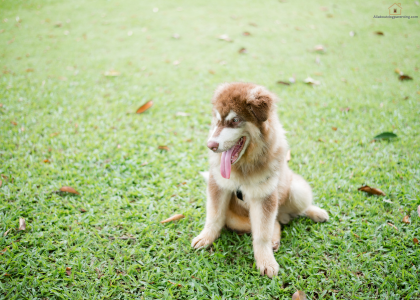
Perth’s climate is famously warm and dry. Summers can regularly hit 35–40°C, with long hours of sun and little rain. To ensure your pet thrives in this environment, you need tailored Perth climate puppy care from day one: shade on hot days, extra water in their bowl, and avoiding midday outings.
Dr. Kay McIntosh, a local Perth vet, notes, “Dogs and cats can comfortably tolerate temperatures up to about 25–27°C. Anything above 30°C could put them at risk of heat stress or heat stroke.” Perth puppy safety includes small but thoughtful measures like walks at dawn or dusk, cooling mats or indoor play when it’s too hot, and never leaving a pup in the car. Hot pavement or sand can burn paw pads very quickly. Remember, if it’s too hot for your hand, it’s too hot for their paws.
Perth also has a lot of outdoor lifestyle perks such as dog-friendly beaches, bush reserves, and spacious parks. But these come with unique hazards. Coastal outings often involve sand and saltwater, which can irritate the coats and ears. Bush and park walks mean exposure to dust and local wildlife. To counter these risks, Perth puppy safety routines must involve sun safety, bug protection, and environmental awareness. Rotate outdoor time into cooler parts of the day, and build up heat tolerance gradually.
Essential Health Checks & First Vet Visits
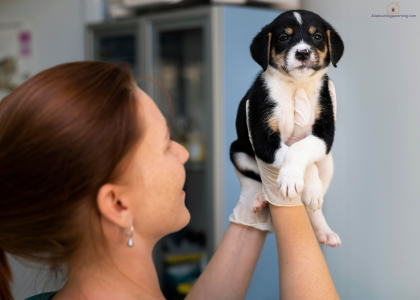
Veterinarians in Perth stress getting your puppy for a full health exam as soon as possible, ideally within the first few days of bringing them home. This visit is not just about shots. Here is what you can expect at the first Perth puppy health check:
- Checking for congenital issues such heart murmurs, hip dysplasia risks, cleft palates
- Weighing and measuring your pup
- Setting growth benchmarks
- A parasite prevention plan
- Discussion about microchipping
In fact, many local Perth vets offer an early check-up in a puppy package. For example, Canning Vale Vets offers a Complimentary Check within 48 hrs of picking up your new puppy and free 12–24 hour checks in some puppy care bundles.
Puppy vet care in Perth typically begins around 6–8 weeks old. At that visit you’ll likely begin vaccinations, and your vet can tailor a wellness schedule. They’ll also demonstrate how to give flea/tick medicine, and chat about nutrition, training, and what to expect as your pup grows.
Puppy Vaccinations — Perth’s Required and Recommended Shots
Vaccinations are non-negotiable in Perth, and Australia generally. Local vets strongly advise following the core vaccine schedule to protect against highly contagious diseases. The core shots for all pups are the “C3” or DHP, covering Distemper, Hepatitis [Adenovirus], Parvovirus, and “C5”, which adds Parainfluenza and Kennel Cough pathogens. Typically, puppy vaccine schedule in Perth is:
- 6 weeks: C3
- 8 weeks: C5
- 10 weeks: C4 (C3 + Parainfluenza)
You’ll also booster these with annual C5 shots for life. Why such rigor? Because these vaccinations are key to Perth dog disease prevention. Diseases like parvo almost always prove deadly in unvaccinated puppies. Regular boosters and staying up-to-date make these diseases virtually non-issues.
Parasite Prevention in Perth — Fleas, Ticks and Worms
Perth’s warm climate means parasites are active for a better part of the year, so vets recommend year-round parasite prevention. Fleas are a year-round nuisance here. Greencross Vets warn, “All pets will be exposed to fleas at some stage. Regular puppy flea treatment in Perth is the best way to keep infestations at bay.” Likewise, intestinal worms like roundworms and hookworms are common in Aussie soils. To guard your young puppy against these, deworming must start as early as at about 2–3 weeks old. Greencross advises deworming every two weeks until 12 weeks, then monthly until 6 months. After 6 months, move to a routine adult dewormer every 3–6 months as your vet suggests.
Ticks in Perth are generally less deadly than on the east coast. “We do not have paralysis tick in WA,” notes Warnbro Vet. However, Perth tick risks for puppies still exist. Other ticks like bush ticks or the brown dog tick are present year-round. After bush walks in the hills or grassy parks, always check puppy for any hitchhikers, and back it up with monthly broad-spectrum spot-on or oral treatment that covers fleas, ticks, and heartworms. Heartworm isn’t as rampant as in the tropics, but the region does have mosquitoes, so a yearly or monthly heartworm prevention is wise.
Puppy Nutrition and Feeding Guidance
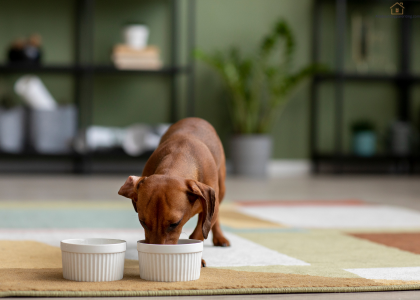
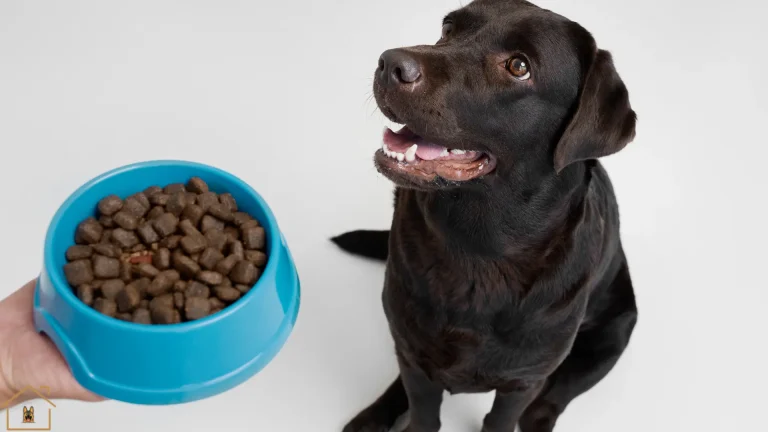
Good nutrition during puppy-hood makes all the difference. In Perth’s heat, keeping pups hydrated is just as crucial as meeting their nutritional needs. Always provide constant access to fresh water. Carry a collapsible bowl and offer water frequently during training sessions or walks. It can also help to mix a splash of low-sodium chicken broth to the water or feed frozen pupsicles to boost intake in summer.
Puppy nutrition in Perth comes down to the basics: choose a high-quality puppy formula tailored to your breed size. Puppies have higher protein and calorie needs than adults to support rapid growth. Complete and balanced nutrition is important, particularly during the first one to two years of life.
One of the most vital Perth vet puppy diet tips is to think about hydration content in diet. Wet or freeze-dried foods can offer extra moisture. If your puppy is a picky eater in hot weather, adding a little warm water to kibble or offering ice cubes can entice them to eat and drink more. To make sure you’re on the right track, ask your vet for a tailor-made Perth puppy feeding guide, covering a diet plan and supplements or special formulas if needed.
Training, Socialisation and Behaviour Basics
Effective puppy training in Perth means balancing new experiences with safety. Start at home with the basics: crate training, toilet habits, and manners.
- Make the crate a “safe den”. Feed meals in it and toss chew toys inside so your pup learns it’s a positive space
- Begin potty training by taking them out first thing in the morning, after meals, play, and before bed. Praise lots and offer treats
- Start short leash walks in the backyard or quiet street to teach heel and recall early on
Perth puppy socialisation is a big part of your pet parenting journey. The place has countless dog-friendly parks and beaches, so your pet will have ample avenues to make four-legged friends. But vets emphasize caution before vaccinations are complete. Vetwest notes, “Once your puppy receives their first vaccination and is examined by a vet, they can begin to attend puppy school, but not socialise with other dogs until after their final vaccination.”
To socialise safely pre-16 weeks, arrange meetups on neutral ground with fully vaccinated friends’ dogs or carry your pup in your arms around so they get used to sights and sounds without risk. Once shots are done, you can begin exploring all of Perth’s fantastic socialisation spots.
Grooming and Hygiene Essentials for Perth Puppies
Given the dry, dusty climate, puppy grooming in Perth is more than just for aesthetics. Here are some basics of dog hygiene in Perth that are non-negotiable:
- Brush your puppy’s coat at least twice a week to remove dead fur and debris
- Bathing depends on coat type. Once a month is usually enough for most puppies in a clean home. Use a gentle puppy shampoo and rinse thoroughly
- Keep those growing paws and nails in check. Walk your pup on grass or carpet for a few minutes and check paws every week
- Trim nails gently, or let a groomer do it if you’re unsure
- Clean ears regularly too. After beach or bush walks, lift the ear flap and wipe out dirt with a soft vet-recommended ear cleaner
- Brush puppy teeth a few times a week with a pet-friendly toothpaste
Following these grooming basics keeps your pup comfortable in Perth’s environment and helps you catch any skin or ear issues early.
Safe Exercise and Play in Perth’s Climate
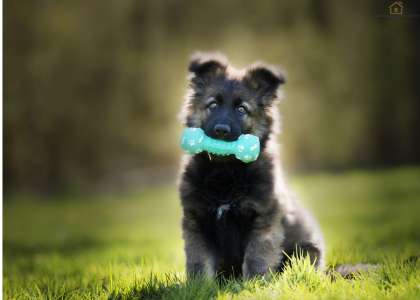
While puppies need exercise and play time to burn off the excess energy, Perth’s heat can get to them. Puppy exercise in Perth needs to be managed smartly. Avoid strenuous play or long walks when the mercury is climbing. Stick to early-morning or late-evening activity. Even then, watch out for warning signs like,
- Heavy panting
- Drooling
- A soggy tongue
If you see any, get them inside to cool down immediately. Given the risks, Perth dog heat safety has to be a top priority for every pet parent.
Another one of the vital puppy play tips in Perth is choosing safe toys that don’t pose a choking risk or are hard on those tiny teeth and soft gums. Try frozen treats, lick mats, chew toys, and puzzle feeders. These are great for keeping those developing teeth busy when it’s just too hot for outside fun.
Home Setup and Safety Checklist
A puppy-proofed Perth home is a happy home. Indoors, secure electrical cords, remove toxic plants such as lilies, oleander, and dieffenbachia, which can grow in Aussie gardens, and stash away small chewables. Downstairs gates or crate fences are great for containing a pup when you can’t watch them.
Outdoors, fences should be solid and tall. Pups are famous escape artists, and Perth’s roaming cats and neighborhood wildlife beckon. Add a shade sail or pergola over a portion of the yard so the pup always has a cool retreat. A key Perth hazard is the pavement. Even shaded driveway stones can heat up. Teach your pup to use a doggy door or stay on the lawn instead of walking on the driveway to prevent burned paw pads.
Perth dog hazards include snakes and ticks. Make sure you secure your lawn or any open/green spaces in the house to protect against these. Also, be vigilant for these on walks, especially in bushy parks.
The most important part of Perth puppy home safety: store chemicals such as fertiliser, floor cleaners, anti-snail pellets securely, so your curious little wanderer doesn’t ingest them accidentally.
When to Call Your Perth Vet — Warning Signs
Even with all precautions, puppies can get sick, so vigilance is key. Perth vets advise contacting them immediately if you see any of the following in your puppy:
- Vomiting or Diarrhea: One episode isn’t always an emergency, but if it’s frequent, bloody, or accompanied by weakness, call your vet
- Lethargy or Loss of Appetite: Puppies are usually bundles of energy. If your pup suddenly refuses food or is extremely quiet and limp, it’s a red flag
- Persistent Coughing or Breathing Trouble: Kennel cough, that sounds like honky cough, also requires medical attention, especially if it is accompanied by trouble breathing or wheezing
- Swollen Belly or Pain: A hard, distended stomach can signal worms or other problems. Gently palpate. If the pup cries or won’t lie down, head to the vet
- Neurological Signs: Twisting, circling, seizures, or anything off-balance is urgent. These could be signs of poison ingestion, tick paralysis, or other issues
- Rashes/Itchy Skin: Flea allergy dermatitis is common, but if a rash looks infected or the puppy is scratching/scooting nonstop, get it treated
Of course, if anything just seems wrong, for example, refusing treats, hiding under furniture, crying when you pick them up, trust your instincts and ring your vet or an emergency clinic.
FAQs About Raising a Puppy in Perth
- When can I take my puppy to the beach in Perth?
After full vaccinations, usually 16+ weeks, puppies can enjoy beach walks. Until then, keep them away from dog areas to avoid parvo exposure. You can still do tiny starter sessions. Carry your pup and wade with them in shallow water once they’ve had their 2nd or 3rd shot, as long as they’re feeling strong. But public beach areas such as sand or water where other dogs go are best postponed until your vet gives the all clear.
- Which Perth areas have higher tick risks?
Perth metro and WA don’t have paralysis ticks that are found on the east coast, but local brown dog ticks and bush ticks still lurk in long grass or bushy suburbs. Outer areas with lots of bush, like parts of Kalamunda, Chidlow or Roleystone, can harbor more ticks. Regular tick treatments, using spot-ons or collars, are enough to protect against these but it’s a good practice to still check your puppy after any grassy or wooded walk.
- How often should I groom my puppy in hot weather?
Frequent brushing is key in Perth’s sandy, dry climate. It helps knock off sand and loose fur. Aim to bathe only as needed, usually every 3–6 weeks depending on breed and activity. Over-bathing can strip oils, so use a gentle puppy shampoo and only rinse sand/sea salt off, then towel-dry well. Clean those ears whenever you spot dirt, especially after swims or rain. Check nails and trim before they’re too sharp.
- Do puppies need year-round parasite protection in Perth?
Yes. Perth’s mild winters and hot summers mean parasites never really go away. Fleas, for example, survive indoors all winter. Vets recommend monthly flea/tick treatments and regular deworming. Carry on with parasite prevention on a regular monthly or quarterly basis as directed by your vet. It’s much easier to prevent than to treat an infestation or disease later.
Final Takeaway
Raising a puppy in Perth means blending general puppy wisdom with specific needs of the West Coast lifestyle. You’ve got to consider heat and sun, coastal adventures and bush hazards in every decision. Through it all, staying connected with a local vet is the best way to ensure your pup grows strong. Schedule those early wellness visits, follow the vaccination and deworming charts, and ask lots of questions, no matter how silly they seem. Consistent care and prevention are what keep Perth puppies healthy long-term.