Puppy Care by Age: A Month-by-Month Guide for Every Stage
Overview:
Puppy care by age means adjusting feeding, sleep, training, and exercise as your puppy moves through five growth stages: newborn (0 to 8 weeks) through adolescence (6 to 8 months) to near-adulthood (9 to 12 months). What works at 10 weeks won’t work at 8 months, and this guide walks you through exactly what changes at every turn.
Bringing home a new puppy is thrilling, but raising one can feel overwhelming some days. I’ve weathered every one of these stages with my own German Shepherds, and I can tell you the confusion is universal. Nobody hands you a manual when the breeder hands you the leash. So consider this your puppy month-by-month guide, built from what actually worked for me, cross-checked against vet and trainer guidance, and organized so you can find your puppy’s current stage in seconds.
Puppy Care by Age at a Glance
Use this puppy care by age chart to find your puppy’s current stage fast: feeding frequency, sleep needs, training focus, and key vet milestones, all in one place. The detail behind each row lives in the sections further down.
| Age Range | Feeding | Sleep | Training Focus | Vet/Health Milestone |
| 0–8 weeks | Nursing or formula every 2–4 hrs | 90%+ of the day | Gentle handling, no formal training yet | First vet check, deworming by 6–8 wks |
| 2–3 months | 3–4 meals/day | 18–20 hrs/day | Name, sit, potty training, crate intro | First vaccine rounds, ~12-wk shots |
| 4–5 months | 3 meals/day, shifting toward 2 | 12–16 hrs/day | Stay, wait, leave-it, puppy class | Final vaccine boosters by 16 wks |
| 6–8 months | 2 meals/day | 12–14 hrs/day | Recall, impulse control, distraction training | Spay/neuter discussion, dental check |
| 9–12 months | 2 meals/day, adult food transition begins | 10–12 hrs/day | Real-world obedience, off-leash reliability | Annual exam, heartworm test |
Bookmark this puppy care chart. You’ll likely come back to it more than once over the next year.
How to Use This Guide
This guide is organized by age. Jump straight to your puppy’s current stage, or read start to finish for the full first year. Each stage covers what actually matters at that point, what’s still normal even if it doesn’t feel like it, where owners commonly trip up, and a short checklist you can scan in ten seconds.
Treat these age ranges as a puppy care schedule, not a rulebook. Your puppy might hit a milestone a few weeks earlier or later than the timeline suggests, and that’s fine. Watch your own dog, not the calendar.
I say this as someone who spent an embarrassing amount of time in my first year with a GSD cross-referencing forums for whether my puppy was “behind.” He wasn’t. He was just his own dog, on his own timeline, and the sooner I stopped treating every age range as a deadline, the more I actually enjoyed raising him.
Why Puppy Care Isn’t One-Size-Fits-All
A two-week-old and a six-month-old puppy have almost nothing in common. I learned this the unglamorous way with my own German Shepherds: what works for a 10-week-old—think naps, belly rubs, supervised potty trips—does nothing for an 8-month-old who needs structure, exercise, and a little more independence. Trying to parent both stages the same way is how good intentions turn into frustration for everyone involved.
That’s the whole idea behind puppy care by age: mapping puppy developmental stages by age instead of treating puppyhood as one long, undifferentiated phase. Once you know what to expect at each point, you stop second-guessing yourself and start actually enjoying the process. For a deeper look at how these growth stages tie into what you’re feeding, our Complete Nutrition Guide is worth a read alongside this one.
Newborn Puppy Care: 0–8 Weeks
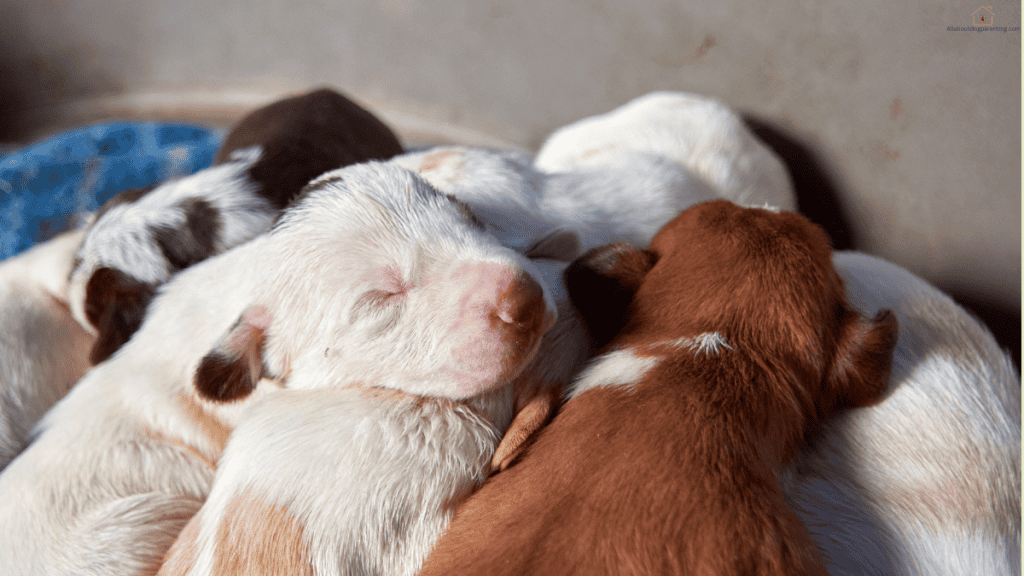
Newborn puppies need warmth first and almost everything else second. Keep the whelping area around 85 to 90°F initially, and make sure they’re nursing every 2 to 4 hours. If a puppy is orphaned, a milk replacer formula given by bottle or syringe prevents hypoglycemia, which can become dangerous quickly in a body this small.
Handling matters more than it looks: Starting as early as 1 to 2 weeks, soft, brief handling (1 to 2 minutes a day) builds a puppy’s trust in human touch without overstimulating a nervous system that’s barely online yet.
Hygiene is non-negotiable: Puppy-proof the whelping box, remove anything a puppy could choke on, and change the bedding daily.
The vet visit isn’t optional: By 6 to 8 weeks, puppies need a first check for deworming and congenital issues, with the first vaccine appointment following shortly after.
Around 4 to 6 weeks, something shifts: puppies start tasting solid food. Introduce kibble soaked in warm water or puppy formula gradually, and by 7 to 8 weeks most are nearly weaned. If you’re bringing a puppy home at this point, set up a small crate or playpen corner ahead of time with the door left open. This is the earliest, gentlest version of crate training by age, long before any real training happens.
Still normal at this stage: A puppy who can’t hold their bladder, who sleeps most of the day away, who shows zero interest in commands, and who needs help regulating their own body temperature. None of this is a red flag. It’s just what eight weeks old looks like.
Where new owners go wrong here: Taking a puppy home before 8 weeks (they miss critical lessons in bite inhibition that only littermates can teach), exposing them to loud or chaotic environments too soon, and skipping that first deworming visit because “they seem fine.” Puppies hide illness well even at this age, and intestinal parasites are common enough in young litters that most vets treat deworming as routine rather than optional.
If you’re the one whelping the litter rather than picking up a puppy later, feeding the mother properly matters just as much as feeding the puppies. A nursing mother’s calorie needs can roughly double or triple compared to her normal maintenance diet, and running her short shows up fast in slow-gaining puppies. This is one area where I’d rather you over-consult your vet than guess.
Quick checklist:
- Warm, draft-free space
- Nursing or formula on schedule
- 1–2 minutes of gentle handling daily
- Spotless bedding
- Vet visit by 6–8 weeks
- Crate door open with soft bedding inside
Puppy Care at 2–3 Months (9–12 Weeks)

This is the window that shapes everything after it. What your puppy experiences between roughly 7 and 16 weeks, the puppy socialization window, has an outsized effect on their adult temperament. The foundational research on this goes back to the mid-20th century work of behavioral geneticists Scott and Fuller, whose studies on canine development first identified this stretch as a sensitive period where a puppy’s brain is unusually receptive to new experiences, for better or worse.
Miss it, and you’re not doomed, but you are working uphill. Once basic vaccinations are underway around week 9, start gentle exposure: a calm visitor, a friendly vaccinated dog, a new sound or surface. Short walks and puppy playdates can begin once two vaccine rounds are done.
Potty training starts in earnest now. I think of it as three P’s: practice, patience, praise. Take your puppy out first thing, after naps, after meals, and before bed, and never scold an accident. Just clean it up and try to catch the next one sooner. For crate training, feed meals inside it and reward calm behavior there. As VCA Animal Hospitals notes, crate training works at any age, but starting early makes the whole process smoother.
Basic obedience begins here too, and this is really where puppy obedience training by age starts in earnest: short 5-minute sessions, several times a day, teaching name, sit, come, and house manners. Feed high-quality puppy food on a consistent puppy feeding schedule by age, usually 3 to 4 times a day, with water always available.
By 8 weeks, weaning should be complete. Move your puppy toward sleeping in the crate overnight (near your bed at first helps), and start layering in enrichment: food puzzles, safe chews, and games like hide-the-treat. This is also when bite inhibition gets reinforced. A yelp and a pause when they nip too hard, then resuming play once they’ve settled, teaches bite pressure control fast.
Still developing: Bladder control, attention span, and consistent responses to commands. A puppy who sits perfectly at home may completely ignore “sit” at the park. That’s not a training failure. It’s just where they are developmentally.
Common missteps at this age: Delaying socialization out of vaccine anxiety (the behavioral risk of isolation usually outweighs the illness risk once basic shots are underway), punishing accidents, overfeeding or underfeeding without checking weight weekly, and yanking objects out of a teething puppy’s mouth, which can actually hurt their teeth.
Quick checklist:
- Consistent potty schedule
- Meals and calm time in the crate
- Short daily training sessions
- 3–4 measured meals
- Chew toy rotation
- Puppy vaccination schedule on track around 12 weeks
A quick note on socializing a puppy who isn’t fully vaccinated yet, since I get asked about this constantly: full isolation until every shot is done is outdated advice, and most veterinary behaviorists have moved away from recommending it. A puppy carried through a friend’s backyard, or brought along (in your arms or a carrier) to a low-traffic outdoor cafe, gets meaningful social exposure with minimal disease risk.
The American Veterinary Society of Animal Behavior has an official position statement on this, and it’s blunt about the tradeoff: more young dogs die from behavior problems than from infectious disease, so they recommend socialization classes begin as early as 7 to 8 weeks, one week after the first vaccine, rather than waiting for the full series to finish. For more on what these early milestones connect to developmentally, see our puppy milestones by age guide.
Puppy Care at 4–5 Months
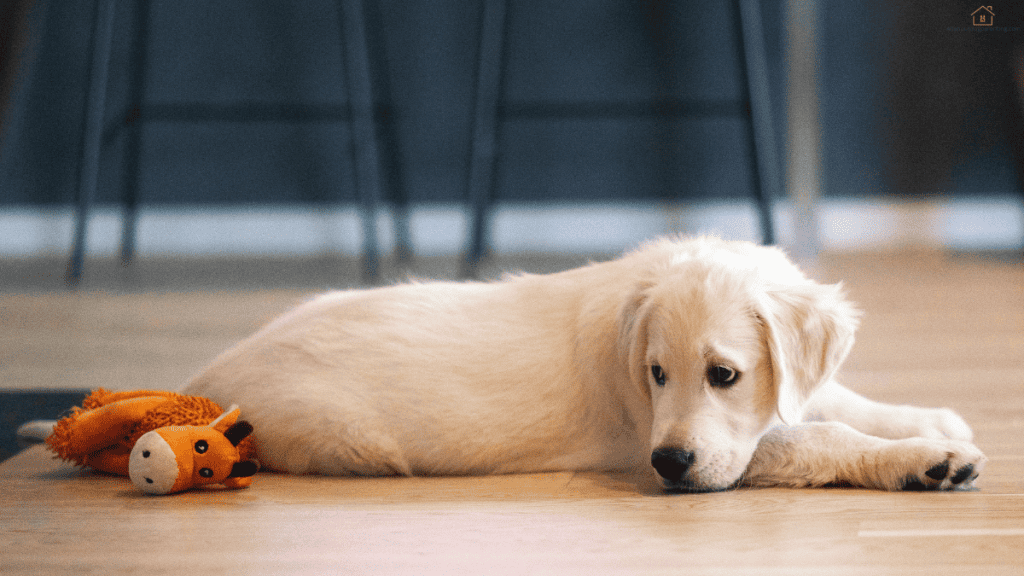
Two things define this stage: teeth and training difficulty. Between about 3 and 5 months, most puppies swap baby teeth for adult ones, and obsessive chewing is how they cope with the discomfort. Sturdy chew toys and rotating dental chews help, and some drooling or light gum bleeding is genuinely normal, not something to panic over. Retained baby teeth, ones that don’t fall out on schedule as the adult tooth pushes through, are worth a quick vet check around this age too, since they can crowd the adult tooth and cause alignment problems down the line if left alone.
Training gets harder before it gets easier. This is a good stretch to enroll in a puppy class, and to start layering in commands like stay, wait, and leave-it. Trainers at the American Kennel Club often point out that a puppy who seems defiant is usually just uncertain, especially if a fear period happens to hit at the same time. Add distractions gradually, practicing commands somewhere busier so your puppy learns to listen past the noise.
Energy is climbing too. Multiple short exercise or play sessions a day, rather than one long one, tend to work better for a puppy this age. A tired puppy is, almost without exception, a better-behaved one.
On the nutrition side, most medium and large breed puppies are still on 3 meals a day here, though some start shifting to 2 with vet approval. Large breed puppies often benefit from staying on 3 meals longer to keep growth slow and steady, since growth plates are still developing.
Not there yet:
- Perfect obedience
- Long exercise endurance
- An end to fear responses
- Growing joints aren’t ready for extended runs
- New anxieties can still surface even in a puppy who seemed bombproof a month ago
This is also the stage to start the spay/neuter conversation with your vet, since spay/neuter timing usually lands around 6 months for many breeds, and planning ahead beats scrambling later.
Other easy mistakes here:
- Overdoing treats during all this training (tiny pieces or verbal praise work fine)
- Punishing normal teething behavior instead of managing the environment
- Forcing a startled puppy through fear rather than letting them retreat and try again gently.
Quick checklist:
- Weekly teeth brushing
- Extended sit-stay and recall practice
- Remaining vaccine boosters by 16 weeks
- Possible shift to 2 meals
- Daily walks scaled to your breed’s energy
- Consistent house rules
To see how these shifts connect across the full first year, our puppy developmental stages breakdown goes deeper.
Puppy Care at 6–8 Months

Puppy adolescence hits hard here, and it’s arguably the toughest stretch of the whole first year. Puppy exercise by age shifts most noticeably right here: your dog might be 70 to 80% of full size (smaller breeds are often close to done growing) but running on more energy and less impulse control than ever. Recall needs to be genuinely solid by now, because an intact 6-month-old-plus may start testing boundaries or trying to roam.
There’s real research behind why this stage feels different, and it helped me a lot to know it wasn’t just my GSD being difficult on purpose. A 2020 study published in Biology Letters followed a group of guide-dog puppies, including German Shepherds, through their first year and found that dogs around 8 months old were measurably less obedient toward their primary caregiver, while staying just as responsive to strangers. The researchers described it as a hypersensitive period tied to puberty, and noted that dogs with a less secure attachment to their owner showed the steepest dip in obedience. The behavior change was temporary in every case. Knowing that going in changes how you respond to it. It’s not defiance so much as a hormonal fog your puppy is working through.
If you haven’t scheduled spay or neuter yet, this is the stretch to do it. Around 6 to 8 months tends to ease certain adolescent behaviors like marking and mounting, on top of the health benefits. Most puppies drop to 2 meals a day by now, and it’s worth checking growth plates before even considering an adult food switch. As a rule, puppy kibble stays on the menu until growth slows, typically 12 to 15 months depending on size.
Independence grows too. Short periods alone, calm crate time, and a gradual step back from formal puppy classes (if the basics are solid) all fit naturally into this stage. Most puppies can also hold their bladder overnight for 6 to 8 hours now, so a final potty break followed by quiet crate time through the night usually works.
What’s still a work in progress:
- Calm, settled behavior. Adolescence is loud by design
- Reliable recall around real distractions, and full physical maturity, especially in larger breeds still filling out
- Many dogs also hit a second fear period somewhere in this 6 to 14 month window, so a sudden new wariness around storms or strangers isn’t cause for alarm
The mistakes that show up most at this age:
- Assuming a grown-up-looking dog needs less exercise. A bored adolescent gets destructive fast
- Easing off training because it feels like the “honeymoon” is over
- Ignoring stubbornness or aggression instead of bringing in a certified trainer early
It’s worth saying plainly: this is the age group most likely to end up surrendered to shelters, largely because owners weren’t warned that a difficult phase was coming and mistook it for a permanent personality shift. It isn’t one. Knowing that in advance changes how you weather it.
Quick checklist:
- Vet visit around 6 months
- 2 meals a day, lean body condition
- Leave-it and longer recall work
- Daily runs or hikes, twice a day for high-energy breeds
- Nail trims and dental care
- Adult teeth confirmed by 7 months
Puppy Care at 9–12 Months
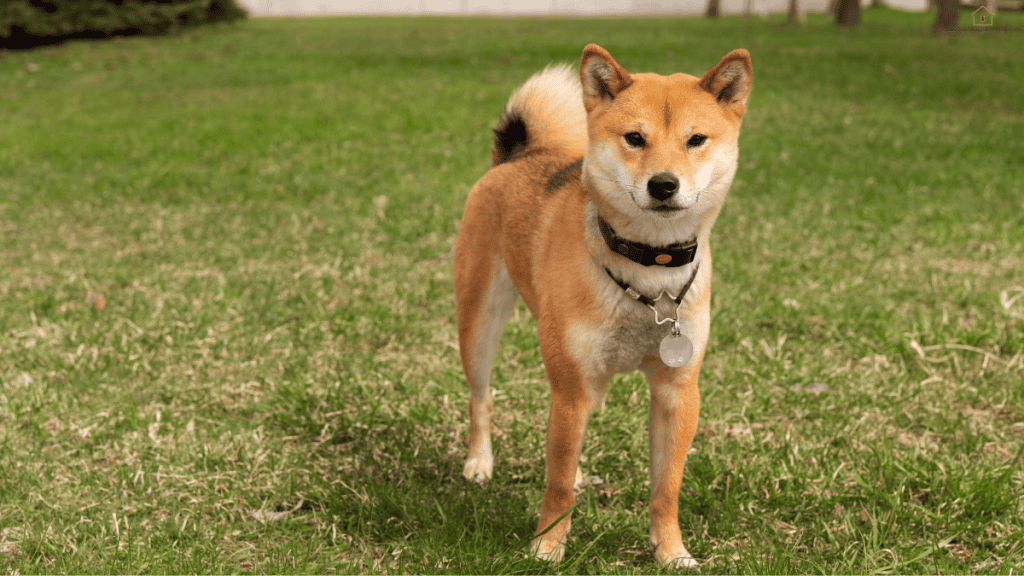
Most puppies approach adult size and behavior somewhere in this window, though “approach” is doing some work in that sentence. Full height usually arrives by now, but larger breeds keep filling out in muscle until 15 to 18 months, so high-impact exercise still deserves some caution if joints are visibly still developing.
The adult food conversation belongs here too. Mix it in gradually, roughly 20% more each day over a week, and keep an eye on weight as you go. Deciding when to switch puppy to adult food comes down more to breed and growth rate than to the calendar, which is exactly why the breed-size table further down is worth checking before you commit to a date.
This is also a good moment for a comprehensive annual exam, heartworm testing included, and a chance to lock in the training you’ve been building all year: off-leash recall in safe areas, calm greetings, real-world manners. Shift your rewards toward praise and play rather than food every time, fading treats out except for the genuinely high-value moments.
It’s worth building in some form of strength and conditioning work here too, particularly for larger breeds. Gentle uphill walks, slow incline work, or low, supervised balance exercises can support the muscles around still-developing joints, though anything more structured is worth running past your vet or a canine rehab specialist first. This is also a sensible point to start thinking about pet insurance if you haven’t already, since premiums are generally lower before a dog has an established history of claims.
Still needs time:
- Complete emotional maturity. Most dogs, especially large breeds, don’t fully settle until 2 to 3 years old
- An end to boundary-testing
- For large or giant breeds, full physical maturity while growth plates finish closing
The most common trap at this stage is assuming training is finished because your dog looks and mostly acts like an adult. Off-leash freedom in uncontrolled areas before recall is truly reliable is how good years turn into bad afternoons. Keep an eye on treats too; large breeds especially can slide into early obesity if the training-treat habit doesn’t taper off.
Quick checklist:
- Gradual adult food transition
- Annual exam scheduled
- Distance stays and reliable recall solidified
- Lifelong activity routine in place
- Manners reinforced around new people and pets
- Behavioral quirks flagged to a trainer early
For a closer look at how quickly all of this happens, our article on how fast puppies grow breaks down typical growth curves by breed.
Puppy Care by Breed Size: What Changes?
Overview:
Small and toy breeds often reach adult size and can switch to adult food by 9 to 12 months. Large and giant breeds typically stay on puppy food until 15 to 18 months to protect growth plates that are still closing. Growth speed, growth plate closure, and adult-food timing all move at different paces through these puppy growth stages depending on size, and that gap is bigger than most new owners expect.
| Size | Adult Food Timing | Growth Plate Closure | Exercise Caution |
| Toy/Small (under 20 lbs) | 9–10 months | Around 8–10 months | Low risk overall; avoid repeated jumping off furniture in very young puppies |
| Medium (20–50 lbs) | 10–12 months | Around 10–12 months | Avoid repetitive high-impact activity before 8 months |
| Large (50–90 lbs) | 12–15 months | Around 12–14 months | Skip forced runs, hard jumping, and stairs until growth plates close |
| Giant (90+ lbs) | 15–18 months or later | Often 14–18 months | Strict limits on jumping and hard surfaces until 18 months; check with your vet |
Large breed puppy care in particular means watching these numbers more closely than small-breed owners typically need to. Growth plates are the soft, cartilage-based sections at the ends of a young dog’s long bones where new bone tissue forms as they grow. Until those plates harden and close, they’re genuinely more vulnerable to injury from repeated impact, like jumping off furniture or running on hard pavement, than most owners assume by looking at a puppy who otherwise seems fully capable. This is general guidance, not a substitute for breed-specific care.
If you’ve got a large or giant breed, it’s worth reading up on your dog’s exact breed timeline rather than relying on averages alone. My own GSD boy proved that point to me directly: his joints were still catching up to his frame well past his first birthday, long after he looked and acted fully grown.
Nutrition plays into this more than most new owners expect. Large-breed puppy foods aren’t just a marketing label. They’re formulated with a tighter calcium-to-phosphorus ratio and controlled calorie density specifically to slow growth rate, since growing too fast is harder on developing joints than growing steadily. The World Small Animal Veterinary Association publishes global nutrition guidelines that cover exactly this, and it’s worth a skim if you’ve got a large-breed puppy and want the reasoning behind the “don’t rush the growth” advice you’ll hear from most vets.
Signs You’re On the Right Track
A healthy puppy tells you so, if you know what to look for.
- Bright, engaged body language
- Curiosity toward new things
- A loose tail, soft eyes when comfortable
- A strong appetite, with meals finished without fuss
- Regular play, chasing toys, play-bowing, the occasional round of zoomies.
- Restful sleep, where your puppy settles easily and wakes up alert rather than groggy or reluctant
Predictable routines matter too. A puppy who comes running at treat time, or heads calmly (if a little reluctantly) toward the crate at bedtime, is telling you they feel secure. Some chewing, barking, or limit-testing is completely normal. What isn’t normal is constant hiding or a sudden, total loss of appetite, both of which are worth a vet visit rather than a wait-and-see approach.
If your puppy is showing these signs, your puppy care by age plan is working. If something feels off, tightening up the routine and meeting your puppy’s actual, current-stage needs usually gets things back on track faster than you’d expect.
One thing I’d add from experience: don’t compare your puppy’s timeline too closely to a neighbor’s or a friend’s, even within the same breed. I’ve raised more than one German Shepherd, and no two hit these markers in exactly the same week. Personality plays a role too. Some puppies are naturally more cautious observers, and a slower warm-up to new people isn’t automatically a red flag. It might just be who they are.
When to Seek Extra Help
Some things need a professional, not a Google search. Call your vet immediately for vomiting, especially if bloody, diarrhea lasting over 24 hours, breathing difficulty, sudden weakness or limping, or a puppy who won’t eat or drink at all. Pale or yellow gums, high fever, repeated seizures, or any traumatic injury belong in this same urgent category. Puppies hide sickness well, so trust your gut over their apparent calm.
On the behavior side, bring in a certified trainer or behaviorist for ongoing fear, aggression beyond normal play-nipping, separation anxiety, or resource guarding. If you’re unsure how to introduce a shy or reactive puppy to new people or pets, that’s also a conversation worth having with a professional rather than improvising. Early intervention consistently beats waiting to see if a behavior resolves on its own.
I’ll admit this is the piece of advice I was slowest to take myself. With one of my rescues, I spent months telling myself the resource guarding around food bowls would fade with time and consistency. It didn’t, not on its own, and a session with a certified behaviorist did more in a few weeks than my own patchwork attempts had done in months. There’s no medal for handling everything solo, and a professional set of eyes on a puppy you see every day, and therefore can’t always see clearly, is worth the cost.
FAQs
1. How often should I feed my 4-month-old puppy?
At 4 months, most puppies do well with three meals a day. Stick with puppy kibble and measure each portion. By 6 to 7 months, you can likely cut back to two meals, morning and evening. Adjust based on appetite and body condition, and check with your vet if you’re ever unsure.
2. When is it safe to start puppy classes or social activities?
Once your puppy has had its first two rounds of vaccines, usually by 10 to 12 weeks, and you’ve talked to your vet about local disease risk, puppy kindergarten is generally safe to start. This sits right in the middle of the socialization window, so make sure any puppy friends are healthy and vaccinated too.
3. My puppy seems afraid of the vacuum, other dogs, or thunder. Is this permanent?
Probably not. Puppies often hit a puppy fear period around 8 to 11 weeks, and again between 6 and 14 months. Don’t force interaction during these windows. Let your puppy observe from a distance and reward calm curiosity, then reintroduce the trigger gradually with treats and encouragement.
4. How do I know when to switch my puppy to adult dog food?
Growth rates vary by breed. Small and medium dogs can often switch around 9 to 12 months. Large and giant breeds usually stay on puppy food until 12 to 18 months to protect their joints. Once your vet confirms growth has mostly leveled off, transition gradually over 7 to 10 days to avoid stomach upset.
5. Should I crate-train even though my puppy whines at night?
Yes, it’s worth sticking with. The crate functions as a safe den, and whining at night usually means a potty break is needed, or your puppy just wants company. Take them out calmly and briefly, then settle them back in without making a big fuss. Most puppies learn the crate means sleep time with consistent practice.
6. What’s the hardest stage in puppy care by age?
Most experienced dog parents, myself included, would point to 6 to 8 months. Your puppy looks nearly grown but acts like they’ve forgotten every command you taught them, and a second fear period or unfinished spay/neuter can add hormonal chaos on top. The research on canine adolescence backs this up too: dogs this age genuinely become less responsive to their primary caregiver for a stretch, purely as a function of hormones and brain development, not a training failure on your part. It’s temporary, and consistent training now pays off for the rest of your dog’s life.
7. How much should a puppy sleep at each age?
Sleep needs drop steadily as your puppy grows: close to round the clock as a newborn, 18 to 20 hours a day at 2 to 3 months, roughly 12 to 16 hours by 4 to 5 months, and settling around 10 to 12 hours a night by 9 to 12 months. That last stretch is essentially a puppy sleep schedule by age converging with an adult dog’s rhythm. Unusually low energy or an inability to settle at all is worth mentioning to your vet.
Bottom Line
Raising a puppy month by month is a wild, rewarding ride. These age-based puppy care guidelines give you a roadmap from day one to year’s end. Remember, consistency, patience, and positive reinforcement will carry you through. Pet parenting is a journey full of hits and misses, so don’t expect perfection (my first GSD taught me that), but with this comprehensive guide, you can tackle each stage with confidence.
If you found this helpful, bookmark it and come back whenever you have a question. Ready for more? Explore my other articles on puppy care for deeper dives. And of course, share your own puppy stories or questions in the comments. I love hearing from fellow dog parents. You’ve got this, and I’m here to cheer you on every tail-wagging step of the way.