Understanding Dog Vaccinations in Australia: Schedules, Costs & Local Rules
Whether you have a playful puppy at home or a loyal senior who has been your long-term companion, vaccinations are one of the simplest ways to protect their health. To help untangle everything you need to know about dog vaccinations in Australia, I’ve put together this guide covering the difference between core and non-core dog vaccines to a step-by-step puppy schedule, typical costs, and local council rules. You’ll learn about puppy vaccination schedules in Australia, how adult boosters work, and what regional requirements and pet laws to watch for.
Why Dog Vaccinations Are Essential
Viruses like parvovirus, canine distemper, and hepatitis can pose a serious threat to our pets’ health but the right shots at the right time can shut those infections down. In fact, core vaccines, also known as the “C3” shots, train your dog’s immune system to fend off distemper, hepatitis and parvo. These are diseases that often have no cure and can kill quickly.
Once vaccinated, a dog’s body is primed to recognize these germs and fight them off. Non-core vaccines, often given as a combined “C5” shot, add protection against kennel cough pathogens like Bordetella and parainfluenza.
“Vaccines are the strongest protection for pets against viruses like parvo.”
—Dr. Bronwyn Oke, RSPCA veterinarian
Vaccination benefits for dogs are far too profound to be ignored. When most dogs are immunised, we even get herd immunity, which even helps in protecting those few dogs that can’t be vaccinated for medical reasons.
Having lost my first ever pup to parvo because the virus got to him before he reached the age at which he could be vaccinated, I know all too well how quickly these viruses can prove deadly. Routine dog vaccinations are a simple, preventive step that offers peace of mind and can literally save your dog’s life in the long run.
Puppy Vaccination Schedule in Australia
Puppy vaccination schedule in Australia begins with shots at 6–8 weeks old, with boosters every 4 weeks until around 16 weeks. The typical timetable is:
- First C3 vaccine at 6–8 weeks
- A C5, which constitutes C3+Kennel Cough, at 10–12 weeks
- A final booster, which is either C7 or another C5 at 14–16 weeks
Puppy vaccinations have to overcome mom’s antibodies, so multiple doses ensure full protection. The RSPCA and AVA recommend this 3-shot series by the 16-week mark. Puppy health check in Australia may also include a 6-month booster or titre test to confirm immunity. However, it’s situational. Your vet will advise if it’s needed. Along with shots, puppies often get their microchip and first deworming at these visits.
Needless to say, these frequent vet visits can get overwhelming or scary for your pet. Here are a few ways you can keep your puppy calm and build a positive association with the experience:
- Book the first visit during a quiet time or let your pup meet the vet team briefly beforehand, so they associate the clinic with friendly faces and snacks
- Carry treats or a favorite toy
- Feed your pup a light meal a few hours before and keep them rested
- During the visit, stay calm yourself
- After the shots, give lots of cuddles, praise, and a treat
Adult Dog Vaccinations—Maintaining Immunity
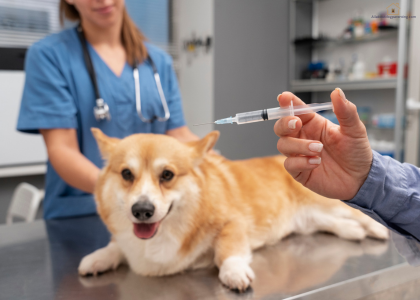
Your dog’s shots continue through adulthood, only on a less-frequent schedule. Here is what adult dog vaccination schedule looks like:
- After the 12–16 week boosters, Australian vets often move to triennial core boosters. Given C3’s long-lasting formula, it only needs re-administered at 3-year intervals
- The kennel cough shot is given annually or every 6 months, depending on the risk
- Along with booster shots for dogs, your vet may also do an annual health check-up
- The vaccination frequency in dogs for other non-core boosters depends on lifestyle. If you go on holiday with your dog or your pup frolics through farmland puddles, leptospirosis or other shots might be due
- If your dog visits obedience class or dog parks with high dog density, that C5 once-a-year shot is crucial
Pro Tip: Maintain a folder with every vaccine date in it. This way, you will be able to stay on track with the adult dog vaccination schedule. Besides, an up-to-date vaccination record ensures you can travel with your pet hassle-free. If carrying a folder during travels seems too much, you can also talk to your vet about a digital pet passport or an official certificate.
Senior Dog Vaccinations—Adapting Care with Age
As your dog ages, the question about whether they still need vaccinations, or more importantly, is their aging body capable of handling the stress of vaccinations can begin to crop up. The answer is usually yes, but with care. Even senior dogs can benefit from immunity against diseases. The trick is to adjust senior dog vaccinations based on their health. Before revaccinating a senior, vets may run blood tests or titre checks to see what immunity remains. If your dog has chronic illness or frailty, your vet may opt for space-out boosters or only give a partial vaccine schedule. Vaccination frequency in senior dogs is also entirely dependent on their overall health.
For example, a vet may recommend that your pet only needs a booster of kennel cough a particular year and skip the core vaccines because they still have high titres from previous shots. This is usually done when your senior pet is already struggling with underlying issues like a heart condition or kidney problems. Preventive vet care in senior dogs usually boils down to a judgment call.
It’s also important to monitor side effects more closely in seniors. You may notice that they remain more sluggish a day or so after the vaccination than they did in the past. That’s perfectly normal. Keep them comfortable with soft bedding and easy access to water after any shot.
“Older dogs can often handle vaccinations well, but we balance preventive care with their comfort and quality of life.”
—Dr. Bronwyn Oke, RSPCA veterinarian
The bottom line? Stay vigilant with check-ups and discuss concerns with your vet, but don’t simply retire vaccines unless advised.
Cost of Dog Vaccinations in Australia
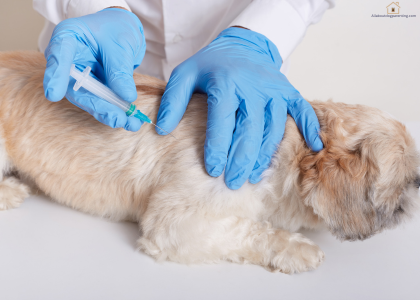
In Australia, dog vaccination costs vary by area and clinic. Urban vets in places like Sydney or Melbourne tend to charge more than small-town clinics. Typical current rates are roughly in these ballpark ranges:
- Puppy shots series (C3→C5→C5): About $100–$200 per visit, totalling $300+ for all three
- Annual adult booster (C5 + check-up): $150–$200
Luckily, there are ways to save. Many councils and charities run low-cost vaccination clinics. RSPCA Victoria, for instance, has dog vaccination events where a C5 shot, with exam, is just $69, a steal compared to normal rates.
Also, some vets offer puppy packages. A bundled 10-week puppy C5 package might cost ~$350 but often includes multiple items. Pet insurance won’t usually cover routine shots, unless you have an add-on “wellness” plan, but it can help offset emergency costs.
Don’t let the dog vaccination costs be a deterrent though. Think of vaccines as an investment. Treating a serious disease can cost thousands. For example, parvo treatment often runs thousands in hospital costs but each vaccine shot is usually only a few hundred at most. Then, there is a very real risk to your pet’s life. Vaccine bundles and council programs often facilitate affordable pet vaccines, so get in touch with local vets and pet groups to find the best deals.
Australian Rules & Requirements for Dog Vaccinations
Australian law doesn’t mandate specific vaccines, but there are related rules. The big ones are microchipping and registration. For example, Brisbane City Council requires every dog to be microchipped by 12 weeks or on sale/gift. NSW law similarly mandates puppy vaccinations by 6–8 weeks of age and microchipping when selling or rehoming.
Council registration usually just needs proof of microchip and payment. Vaccines are not checked at registration time. However, some states may ask for vaccination history when rehoming or shelter adoption.
Proof of vaccination may also be needed when traveling with or boarding your pet. Boarding kennels almost always demand an up-to-date C5 certificate. If your dog plays in doggy day care or competes in shows, their vet record will be necessary.
Also, Australia is rabies-free, so domestic dogs don’t need rabies shots. But if you ever take your dog overseas, you’d need extra vaccines like rabies and distemper per the destination country’s rules. Domestically, there are no dog park laws for vaccines, but sensible owners wait until their pup is fully vaccinated before off-leash romps.
How to Prepare Your Dog for Vaccination
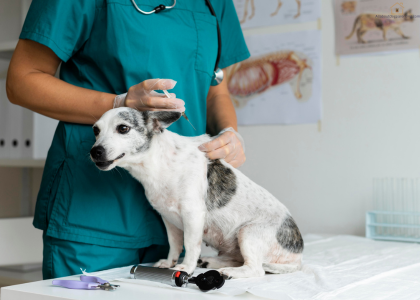
Good preparation makes the vaccination visit smoother for everyone. Here are some simple ways of preparing your dog for vaccination:
- The day before, let your dog rest well, play gently, and eat normally
- On appointment day, give them a light meal a few hours before coming in
- Bring their favorite toy, blanket or treat pouch. These familiar items can calm an anxious pup in the exam room. Immediately after the jab, offer praise and a treat
- When you arrive, stay relaxed. Pets pick up on our energy, so speak soothingly and offer gentle pets
- During the visit, expect a full check-up along with the shot. Vets typically listen to your dog’s heart and lungs, check eyes, teeth and joints, then administer the vaccine.
- Your vet may also ask about your pet’s weight, diet or tick prevention. It’s all part of the vet vaccination checklist
- After you get home, keep an eye on your dog for the next 24 hours. It’s normal to see a bit of sleepiness, mild fever or a sore spot at the injection site. Most dogs just act “quiet” and want to nap, which is fine. Ensure they have fresh water and a cozy spot
- If they refuse food or seem off for more than a day, contact your vet
- Serious reactions to vaccines are extremely rare, but keep an eye out for warning signs such as hives, facial swelling, vomiting, or trouble breathing, especially with a pup. These signs usually signal a need for urgent care
In most cases, though, your dog will be back to normal by the next walk. By building positive associations through treats, cuddles, and calm reinforcement, your dog will see vaccinations as just another part of staying healthy.
Final Takeaway
Dog vaccinations in Australia are a key part of lifelong preventive veterinary care. By following a proper vaccination schedule and staying informed of local rules, you give your dog the best shot at a long, healthy life. Don’t rely on outdated info. Guidelines evolve. For example, many vets now use 3-year C3 vaccines for adults. I always keep a calendar reminder for my dogs’ vaccine dates and vet checkups. Whenever I’m unsure, I talk it over with my friendly local vet. After all, they’re the experts on dog vaccination requirements. So, hug your furry mate, mark that next vaccination date, and rest easy knowing you’ve done your part.