How Often Should You Take Your Dog to the Vet in Australia?
A long, healthy life is what we all wish for our furry babies. As pet parents we play a huge role in ensuring that wish comes to pass by focusing on the right care, nutrition, and regular medical attention. When I say medical attention, I don’t just mean curative but also preventive care that entails scheduling regular wellness checks for your pet. The question is, how often should you take your dog to the vet?
As with most things concerning pet parenting, there is no one-size-fits-all answer. Routine veterinary care depends on a variety of factors, ranging from your pet’s age, life stage to their overall health. Having raised dogs for over a decade-and-a-half, I’ve learned that timing is everything.
In this guide, I’ll walk through exactly when pups, adults, and seniors need check-ups, share preventive care tips, and explain how to make each visit as smooth as possible. You’ll learn a typical puppy vaccination schedule in Australia, the ideal adult dog checkup frequency, and when senior dog vet care becomes crucial. By the end, you’ll have a clear picture of what your dog’s vet visit schedule in Australia must look like and how routine veterinary care can keep your furry friend happy and healthy.
Why Regular Vet Visits Are Important
Preventive veterinary care isn’t limited to adhering to a vaccination schedule. It’s a proactive approach that ensures your pet’s overall well-being and longevity by spotting issues early on and addressing them before they become unmanageable.
Just the way you schedule your own health check-ups, you need to do the same for your dog. For one thing, dogs age faster than we do. One minute, you have a weeks-old puppy prancing about in your home, and in what feels like a blink of an eye, your pet is hitting the one-year mark and venturing into adulthood. Since their bodies mature faster, health problems can crop up quickly as well.

Vets can spot subtle warning signs like early dental disease or the first hints of arthritis long before your pet looks sick. While these may seem like an unnecessary expense when your pet seems to be thriving, the truth is routine vet visits can actually save money and stress over time. Dr Jane Miller of Newtown Veterinary Clinic says, “Regular vet visits and preventive measures… can lead to significant cost savings because catching problems early avoids expensive emergency treatments later.”
During each dog wellness exam, your vet does a thorough physical check. That entails:
- Listening to the heart
- Examining eyes, ears and teeth
- Feeling the joints
- Running basic blood or urine tests, if necessary
- Updating core vaccines
- Advising on parasite prevention, which is critical in Australia
I’ve seen how catching an ear infection early or adjusting diet with the vet’s help can prevent bigger issues. By sticking to a regular vet visit schedule, you give your dog a head start on health problems, so they can explore Aussie parks and beaches feeling their best.
Puppy Vet Visits—First Year of Life
Puppyhood is a whirlwind of growth and learning, so veterinarians recommend multiple visits in the first year. In Australia, puppies typically start vaccines at around 6–8 weeks of age, with boosters at 10–12 weeks and a final puppy jab at 14–16 weeks. These “core” vaccines, often called a C3 or C5 package, protect against diseases like distemper, parvovirus, hepatitis, and sometimes kennel cough. Along with shots, your vet will deworm your pup frequently.
Veterinarian Dr. Alice Marshall advises de-worming every two weeks from birth until 12 weeks of age, then switching to an adult schedule, which is usually once every 3 months. Each puppy vet visit will also entail a weight check and feeding advice.
You’ll go to the vet at least three or four times before one year for all the jabs, plus one-year boosters. Since vet check frequency is quite high at this stage, it’s important to give your puppy positive associations. You can do that by planning a few “happy visits.” Just pop in the clinic, let the puppy say hello, get a treat, then leave. This helps your puppy learn that the vet can be fun, not scary. Bring a favorite toy, stay calm, and reward good behavior. With these puppy checkups and some tender love and treats!, you’ll set a solid foundation for your dog’s future health.
Pro Tip: Don’t forget microchipping. In most Australian states, microchips are required by law by about 12 weeks old, and many breeders or shelters handle this at 8–10 weeks.
Adult Dog Vet Visits—Maintaining Health
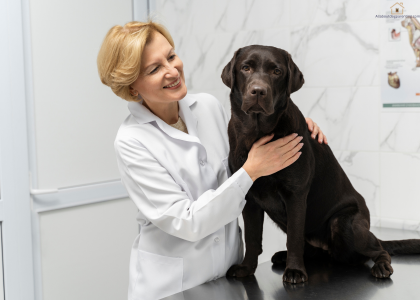
Once your dog is past puppyhood, visit frequency usually drops. For most healthy adult dogs between 1 and 7 years of age, a once-yearly wellness exam is the norm. This annual dog health check in Australia typically includes,
- A full physical exam
- Vaccinations or boosters
- Parasite prevention updates like flea, tick and heartworm medications
- A nutrition/weight check
- Dental health check
- Listening for heart murmurs
- Assessing body condition and muscle tone
If your dog is overweight, your vet can suggest a diet or exercise plan. If your dog has issues like allergies or an underlying medical condition, it’s best to up the adult dog checkup frequency to once every six months.
Remember, a little preventive care goes a long way. Keeping up with these routine veterinary care visits ensures little issues don’t become big ones later.
Senior Dog Vet Visits—Extra Care for Older Dogs
As dogs enter their golden years, often around 7+ years old, depending on breed, more frequent check-ups are advisable. Many vets recommend moving to twice-yearly visits for older dogs. Australian veterinarian Dr. Harry Cooper says, “Once your dog hits double figures, I think that’s twice a year, every six months you should be going to the vet.” By this age, conditions like arthritis, dental disease, kidney or heart issues and even cognitive decline can creep in, making preventive care for senior dogs non-negotiable.
During older dog checkups, vets often do blood tests and urine screens to catch kidney disease, thyroid problems or diabetes early. They’ll feel your dog’s joints for arthritis, check mobility, and look closely at any lumps or heart changes. If your senior dog starts slowing down, or if you notice trouble standing, coughing, or confusion, tell the vet. Early intervention, combined with those extra check-ups, can keep your older dog comfortable and active well into her twilight years.
Signs Your Dog Needs an Immediate Vet Visit

No matter the schedule, certain signs warrant an immediate vet visit for dogs. Keep an eye out on your dog’s behavior and body language, and seek emergency vet care if you see any of the following signs:
- Extreme lethargy: A lack of energy that won’t go away, especially if coupled with loss of appetite, can be serious
- Aggression or hiding: If your dog suddenly becomes aggressive or hides, it may signal pain or fear. Don’t ignore it
- Vomiting or diarrhea: By themselves, these aren’t unusual in dogs, but if they persist more than 24 hours or contain blood or black material, call the vet. This could indicate a serious GI problem or poisoning
- Breathing problems: Treat rapid breathing, blue-tinted gums, or choking emergencies that warrant immediate medical attention
- Limping: Be alert to sudden limping or inability to use a limb. These may signal fractures or poisoning. Even unusual lumps should be checked early
- Other signs: Collapsing, seizures, or uncontrolled bleeding definitely require immediate care
In addition to these dog health warning signs, here is a rule of thumb that has served me well over the years: when in doubt, give your vet or an after-hours clinic a quick call. They can often advise if it’s an ER situation. If your gut says, “This isn’t right,” trust it and seek advice. Remember, preventing a problem from getting worse is the goal. It’s better to err on the side of caution.
Choosing the Right Vet in Australia
Picking a good vet clinic makes all the difference. But with so many options, choosing a vet in Australia can seem overwhelming. Here are some dog vet selection tips to help simplify the choice for you:
Check credentials: Your vet should be a registered veterinarian in Australia. Look for AVA or state board registration. Ideally, they should have certification in the services you need. Clinics often list vet qualifications. Choose one with experience relevant to your dog’s breed or health issues
Location matters too: A nearby clinic can save stress during emergencies. Some clinics have 24/7 emergency support or partnerships with animal hospitals, which is great if your dog ever needs urgent care
Facilities and services: A modern clinic should have basic diagnostic tools like digital X-ray, ultrasound, an in-house lab for bloodwork, and dental x-ray if possible. To zero-in on the best veterinary clinics, call and take stock of the kind of services they offer. Also, pay attention to whether they answer questions kindly and promptly. A practice with responsive communication shows they really care. When you visit, check the place is clean and pet-friendly. A tidy, low-odor waiting room often means the vets keep the whole clinic hygienic
Ask for recommendations: Talk to fellow Aussie dog owners at parks or grooming salons for recommendations. Read online reviews of the best veterinary clinics in your area. Ask friends, breeders or shelters which vets they trust.
Ultimately, choose a vet where you feel comfortable asking questions and where your dog feels safe. A friendly, knowledgeable vet team that has your dog’s back and who communicates clearly is a partner in your pet’s health.
Final Takeaway
Keeping up with vet visits is one of the best ways to give your dog a long, happy life. For a puppy, you need to schedule vet visits about every 3–4 weeks for shots, deworming and microchipping. Adult dogs typically need a full check-up once a year. Senior dogs benefit from twice-yearly exams to catch age-related problems early. In addition to these scheduled visits, always be on the lookout for any odd symptoms like vomiting, limping, lethargy, or breathing trouble and get help right away if they occur.
By taking a preventive approach, you often prevent big health problems from developing. Keep your dog’s vaccination book or digital health records handy, and build a good relationship with your vet. That way, you’ll have peace of mind knowing you’re doing the best routine dog care for your furry mate.