Seasonal Dog Health Concerns in Melbourne (Vet Insights)
Melbourne’s frequently changing weather doesn’t just affect you. It impacts your dog too. From broiling summer heatwaves to chilly, damp winters, the city dishes out all four seasons in a day. These fluctuations can trigger a range of seasonal dog health concerns in Melbourne that every pet parent should know about.
For example, RSPCA experts warn that heavy panting and drooling could signal life-threatening heatstroke, while local vets note that cold, wet weather often stiffens seniors’ joints. Key seasonal risks also range from parasites, to allergies, injuries, and weight issues. To help pet parents navigate these challenges, I’ve put together this guide on Melbourne dog wellness care backed by insights from veterinarians.
Why Seasonal Health Monitoring Matters in Melbourne
Melbourne’s climate is famously unpredictable, so seasonal health monitoring is vital. One morning you might don shorts, and by afternoon, need a jumper. Your dog feels that change too. Preventive veterinary care in Melbourne helps catch any seasonal issues early. A summer exam might focus on hydration and parasites, while an autumn check catches emerging stiffness or skin changes.
Many vets stress regular dog wellness exams in Melbourne year-round. Well-rounded preventive care, comprising regular check-ups, vaccinations and good nutrition, help avoid serious, expensive illnesses. This consistent care can save money and heartache later. Catching an ear infection or budding arthritis in a $100 exam is far cheaper than treating a full-blown emergency.
Summer and Early Autumn Risks
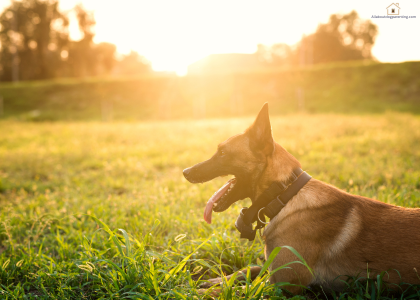
The summer season demands vigilance for dog heat stress in Melbourne. If your pet is floppy-tongued and drooling after a walk, they may be on the brink of heatstroke. Apart from being vigilant, you must also take preventive measures to offset this risk as much as possible. Here are a few practices that have stood me good stead over the years:
- Make sure your pet always has access to fresh water, shade, and a cool spot indoors
- Avoid midday walks
- Never leave your pet in a hot car
- When venturing out, apply vet-approved sunscreen to nose and ears
Dog seasonal health care in Australia, including Melbourne, must also include parasite prevention. Parasites surge in warm weather too. Fleas, ticks and mozzies become a menace. “Tick season” usually kicks off around September, but ticks can bite anytime, so year-round protection is wise. You can use monthly chewables like NexGard Spectra to protect against fleas, ticks, mites, heartworm and intestinal worms.
Heartworm meds are also essential to preventive veterinary care in Melbourne. Dr. Cameron Wilson, lead veterinarian at Kew Vet, warns, “Heartworm is the disease nightmares are made of. He recommends an annual injection or monthly tablet to ward off the risk. And be extra careful after beach trips. Rinse off the salt and sand, and always inspect paws for grass seeds.
Spring Transition—Allergy and Parasite Surge
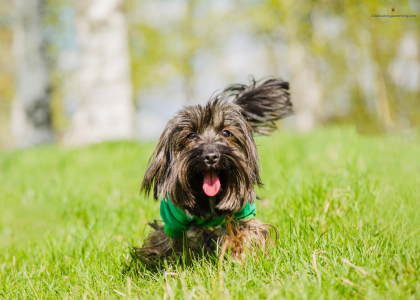
Spring in Melbourne brings on a blast of pollen, mould and new grasses. In some dogs, this can trigger sneezing, itching, watery eyes, paw-licking. These are all classic symptoms of dog seasonal allergies in Melbourne. Dr. Wilson says that there is a definitive spike in allergy cases in spring. “Many pets develop itchy skin. Dog ear infections in Melbourne around this time of the year are not uncommon either,” he adds.
Common spring triggers in Victoria include pollen and even certain plants. For example, Ringwood Vet Clinic warns the silver inch plant causes severe rashes if dogs brush against it. Allergic dogs may lick paws or shake heads repeatedly.
- These allergies can be managed effectively with a few simple steps such as:
- Rinsing your dog’s paws and bellies after every walk to wash off pollen
- Brushing daily to remove dander and loose fur
- Trimming long hair around paws and ears to eliminate reduce clinging allergens
- Using a vet-formulated hypoallergenic shampoo to soothe excessive scratching or a rash
If symptoms persist, it’s best to take your dog to the vet for allergy testing and treatment. Vets might prescribe antihistamines or injectables like Cytopoint to quell intense itching. Supplementing their diet with omega-3 oils and using gentle oatmeal shampoo to soothe the skin goes a long way too,
Winter and Late Autumn Risks—Cold, Damp and Joint Stress

Melbourne’s late autumn and winter bring chilly, wet weather, so totally not fun if your dog feels it in their bones. Low temperatures and dampness can cause joint stiffness and arthritis flares, especially in older or large breeds. The right dog winter care in Melbourne involves a mix of physical comfort and correct nourishment. Here’s how:
- Up your pet’s omega supplements to give their body the support it needs to battle the cold
- Keep them on a well-rounded, nutrient-rich diet without shooting up their calorie intake
- Provide warm, dry bedding in a draft-free spot
- Use a warm jacket or coat handy for outings
- Replace summer-time activities like long hikes or walks with gentle play or mentally enriching activities like puzzle toys or hide-and-seek with treats
- Check their ears and paws for moisture
- Keep their fur dry at all times. Dampness invites infections
- Consult your vet before winter fully sets in for an accurate plan for cold weather dog health in Melbourne
Year-Round Parasite and Vector Control
Parasite prevention in Melbourne isn’t just seasonal. For optimal effectiveness, it must be treated like a year-round necessity. Fleas, ticks, worms and heartworms are around every season. To keep your pet safe from these pesky pests, you need to keep them on monthly or quarterly treatments. Dr. Wilson reiterates, “Fleas are the most common external parasite on local pets, causing itching and allergies. Monthly spot-ons or chews are essential to stop fleas before they start.”
Heartworm is a winter worry too. Transmitted by mozzies, it’s prevalent in warm parts of Australia and creeping south. That’s why you need to use heartworm prevention year-round. Many vets suggest a once-a-year injection or monthly tablet. Protecting against intestinal worms such as roundworm, hookworm, whipworm, and tapeworm is also crucial and can be done by rotating broad-spectrum de-wormers every three months, as many vets recommend.
Skin, Coat and Allergy Prevention
Every season brings coat care challenges. In spring and autumn, many breeds blow their coats, shedding thick undercoats for lighter ones. During those peaks, it’s vital to brush your pet every day to catch loose fur and dander. Seasonal allergies, both environmental and food-related, can also worsen coat issues. Watch for dandruff or flaky, inflamed patches. These are signs that an allergen or dry winter air is bothering them.

Many Melbourne pet parents use humidifiers in winter rooms or add fish oil to the diet, since supplementing the diet with omega provides extra benefits for coat and skin health. When it comes to dog skin allergies in Melbourne, flea-allergic dogs need special attention. Even one flea bite can cause terrible dermatitis, so don’t go lax on flea control and avoid grass seeds by keeping nails trimmed and checking paws after walks.
Ultimately, a balanced diet, regular grooming, and prompt flea prevention are your go-tos for dog coat health in Victoria. These steps cut down on licking, scratching and allergy flares from season to season.
Exercise, Weight and Lifestyle Adjustments Through Seasons
Melbourne’s weather means adjusting dog routines ever so often. In blazing summers, you may need to walk your dogs early or late and play indoors during the day. When it’s wet or cold, you may have to adjust to shorter outdoor breaks and then indoor fetch or nose-work games. On really nice autumn or spring days, you may want to indulge in a long park session. The idea is to tailor activity to comfort and safety.
Along with it, it’s important to keep adjusting your pet’s diet as per their activity levels. If your dog is less active, cut down on the portion size accordingly. Conversely, when your dog is out and about or if they shiver a lot during winter, more calories and fattier food may be warranted. If you’re unsure about which way to lean or how to adjust portion size, consider a consult for weight management for dogs in Victoria.
Since dog exercise in Melbourne seasons isn’t always feasible, you also need to focus on enriching their lifestyle. For instance, consider building indoor agility courses or play tug on cold or rainy weekends, or provide puzzle toys when outside is limited. In summer, add frozen treats or ice cubes to slow them down and prevent overheating.
Through it all, aim for the right mix of activity and healthy diet for dogs in Melbourne to help them tide over its many, varying weather conditions.
When to Call Your Vet—Seasonal Warning Signs
Despite doing all that you can, the changing seasons can take a toll on your pet’s health. Watch out for the dog seasonal health warning signs in Melbourne that scream, “Get to a vet now.” For instance,
- Heavy panting, drooling or uncoordinated behavior on a hot day are red flags for heatstroke
- Sudden limping, reluctance to jump, or yelping after a fall could indicate a sprain, foreign object like a grass seed, or arthritis flare
- Repeated scratching, hair loss or recurrent ear infections, especially in spring when allergies surge, also warrant vet attention
- Watch for excessive paw licking or shaking warrant a check-up
- Changes in appetite, vomiting, diarrhea or lethargy are concerning year-round. If your dog is off food or throwing up repeatedly, it’s time for a vet visit in Melbourne
As far as your pet’s health goes, I err on the side of caution. A quick vet exam for odd symptoms often reveals something fixable. I also schedule routine check-ups before each season shift, as an ounce of prevention—catching kidney changes, dental issues or minor allergies early—is worth a pound of cure.
Cost and Preventive Value of Seasonal Vet Visits in Melbourne
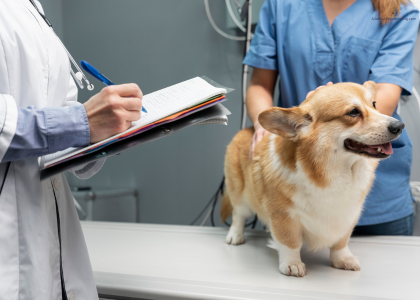
Budgeting for pet care is part of good planning. Dog vet visit cost in Melbourne often comes in the ballpark of:
- A basic vet check-up typically runs around $80–$100 for a routine exam
- Initial consultations are often $60–$120
- Preventive add-ons like microchipping, vaccinations and parasite treatments will add $50–$150 depending on the package.
- Diagnostics like blood or X-rays cost extra, as do specialist diets or joint supplements.
- Grooming or bath services are separate if you don’t DIY
Costs can seem high, but consider the bigger picture. Seasonal check-ups often save money later. For example, catching early kidney disease or diabetes in blood tests prevents an emergency that could cost thousands.
Some clinics offer wellness plans or combined visit discounts for annual preventive dog care in Melbourne. Pet insurance in Australia, which costs around $30–$100/mo, can offset these routine costs or sudden surgery bills.
FAQs About Seasonal Dog Health in Melbourne
- How do seasons affect dog health in Melbourne?
Melbourne’s wild seasonal swings mean different hazards. Summer’s extreme heat raises heatstroke risk, spring brings pollen and parasites, and winter’s cold can stiffen joints and slow activity. Each season requires tweaks in care. Heat stress, characterized by panting, drooling, lethargy, should prompt immediate cooling and vet care. Likewise, dryness and low sun in winter can dry skin and exacerbate arthritis. Being proactive about seasonal health care goes a long way in promoting your pet’s overall health and well-being. - What’s the best parasite prevention schedule?
Most Melbourne vets advise year-round parasite control. Common practice is a monthly chew or spot-on that covers fleas, ticks, heartworm and intestinal worms. Heartworm prevention in the form of injection or tablet is also year-round, especially since mosquitoes can appear even in mild months. - Should I change my dog’s diet seasonally?
Only if needed. If your dog is outdoors more and burns calories in winter, they may need a slightly richer diet, with more fat, in cold months. Conversely, if activity drops in winter, you might cut back a little to prevent weight gain. Always adjust food gradually and monitor body condition. High-quality diets with balanced nutrients, plus skin/coat supplements like fish oil, help maintain a healthy diet for dogs in Melbourne all year. For most pets, a stable diet works. Just tweak portion sizes with the seasons. - How do I manage allergies during spring?
Limit exposure to triggers. On high-pollen days, keep dogs indoors at peak times. After walks, rinse their paws, belly and face to remove pollen. Frequent baths with a soothing shampoo, either oatmeal or hypoallergenic, can rinse allergens out of the coat. Vacuum and wash bedding often. For mild cases, over-the-counter antihistamines, with vet approval. can help. For severe itch, the vet might prescribe allergy meds or treatments like Cytopoint. Omega-3 supplements and a balanced diet support their skin. Clean living and prompt flea control also help reduce overall allergy load. - When is tick season in Melbourne?
Tick activity picks up in warmer weather. Vets note that spring, from about September, is when paralysis ticks really start becoming active. However, adult ticks can appear any time, so it’s best to use a year-round tick preventative. After outdoor outings in bushy or moist areas, do a full-body tick check. Just because tick season is said to start in spring doesn’t mean you should relax the rest of the year. Stay vigilant with preventatives and checks through summer and early autumn as well.
Final Takeaway
Staying ahead of seasonal dog health concerns Melbourne is all about prevention and routine. By being alert to climate shifts and symptoms, whether it’s panting in a heatwave or limping in winter, you can protect your dog from small problems becoming big ones. Regular preventive veterinary care in Melbourne, including at least one annual dog wellness exam in Victoria, catches issues early. Keep up year-round parasite meds, brush and bathe during shedding/allergy seasons, adjust diet and exercise as the weather changes, and watch for warning signs. Taking these steps now means more playtime and fewer vet trips later. For Melbourne dog owners, the best gift is a healthy, happy pet, so go ahead and book that seasonal check-up.