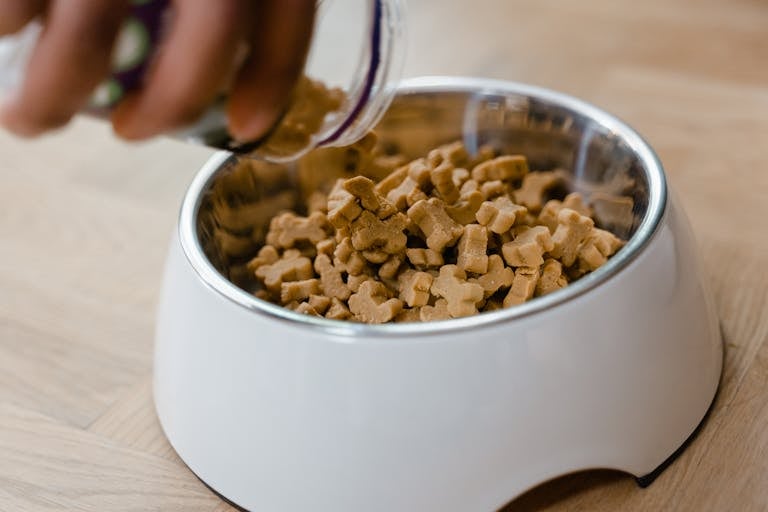
8 Best Dog Foods for Dogs with Sensitive Stomachs (Vet-Recommended Picks + Buying Guide)
Raising a dog with a sensitive stomach is not easy. Frequent vomiting, loose stools, diarrhea, and digestive discomfort can leave you constantly worried about your dog’s health and quality of life. I speak from experience—when your pet’s stomach is easily upset, food becomes more than just nutrition. It becomes a daily decision that can either reduce flare-ups or trigger them.
The good news is: the right dog food for sensitive stomachs can make a major difference. The best options are usually gentle, highly digestible, and made with ingredients that support gut health. Some are also designed for dogs with allergies, GI issues, or conditions like pancreatitis.
In this guide, you’ll learn:
- What causes stomach sensitivity in dogs
- Signs your dog needs sensitive stomach food
- What ingredients to look for (and avoid)
- 8 top dog foods for sensitive stomachs
- FAQs + feeding tips for quick improvement
Understanding Sensitive Stomachs in Dogs
A “sensitive stomach” typically means your dog’s digestive system reacts easily to certain foods, ingredients, meal sizes, or stress. Some dogs develop mild stomach sensitivity, while others experience chronic digestive issues.
The right diet can help support digestion, improve stool quality, reduce vomiting, and ease discomfort.
Why Dogs Develop Sensitive Stomachs
Dogs can develop digestive sensitivity for many reasons, including:
Food intolerances or allergies
Some dogs react poorly to specific proteins (chicken, beef, dairy) or ingredients like wheat, soy, or rich fats. Even if it’s not a true allergy, an intolerance can still cause vomiting, diarrhea, itching, or gas.
Breed predispositions
Some breeds are more prone to stomach sensitivity and GI issues, including German Shepherds, Yorkshire Terriers, Great Danes, and other dogs with delicate digestion.
Underlying health conditions
Conditions like inflammatory bowel disease (IBD), pancreatitis, parasites, infections, stress, or gut inflammation can trigger ongoing digestive problems. Dogs recovering from antibiotics or illness may also develop temporary digestive sensitivity.
Signs of Digestive Sensitivity to Watch For
Sensitive stomach symptoms vary from dog to dog, but the most common signs include:
- Chronic diarrhea or soft stools
- Vomiting after meals
- Excessive gas and bloating
- Loud stomach noises
- Reduced appetite or picky eating
- Weight loss or poor weight gain
- Eating grass often (sometimes linked to nausea)
- Frequent stool changes when switching foods
If your dog shows severe lethargy, blood in stool, repeated vomiting, or rapid weight loss, consult a veterinarian quickly.
How to Manage a Dog with a Sensitive Stomach
Managing stomach sensitivity becomes easier when you focus on consistency and gut-friendly choices.
Choose highly digestible food
Look for formulas labeled sensitive stomach, gastrointestinal, limited ingredient, or easy digestion.
Feed smaller, more frequent meals
Large meals can overwhelm sensitive digestion. Smaller portions can reduce stress on the gut.
Support gut health
Some dogs benefit from probiotics or prebiotic fiber. Your vet may recommend options like FortiFlora or similar products depending on symptoms.
Control sudden diet changes
Switch foods slowly over 7–10 days to reduce diarrhea and vomiting triggers.
Reduce stress and overstimulation
Stress can worsen gut inflammation, especially in sensitive dogs. Routine, exercise, enrichment, and calm feeding patterns help.
What to Look for in the Best Dog Food for Sensitive Stomachs
Before choosing a sensitive stomach dog food, check for:
Highly digestible ingredients
Foods with gentle carbs like rice, oatmeal, or sweet potatoes tend to be easier to digest.
Moderate fat levels
Lower-fat formulas are often better for dogs with digestive sensitivity, greasy stool, or pancreatitis risk.
Limited ingredient formulas
A limited ingredient diet helps reduce exposure to common triggers.
Probiotics and prebiotics
Some sensitive stomach foods include probiotic support or prebiotic fiber that helps maintain gut balance.
Novel proteins
For allergy-prone dogs, proteins like turkey, salmon, lamb, rabbit, or venison may be easier on digestion than common proteins.
8 Best Dog Foods for Dogs with Sensitive Stomachs
These options include sensitive stomach dog foods, limited ingredient diets, easily digestible dog food choices, and GI veterinary formulas.
1) Hill’s Science Diet Sensitive Stomach & Skin
Unique features: Highly digestible formula with prebiotic fiber, designed for sensitive digestion and skin support.
Best for: Mild stomach sensitivity, stool inconsistency, sensitive skin + digestion combo
Price range: Mid-range ($55–$90)
Why it’s worth it: A widely trusted sensitive stomach formula that focuses on easy digestion and nutrient absorption.
2) Wellness Simple Limited Ingredient Diet
Unique features: Limited ingredient approach with a single protein source and gentle carbohydrates
Best for: Dogs with ingredient sensitivities and recurring digestive upset
Price range: Mid-range ($55–$85)
Why it’s worth it: Great for dogs who flare up on multi-ingredient foods and need a simpler formula.
3) Royal Canin Veterinary Diet Gastrointestinal Low Fat
Unique features: Veterinary-exclusive GI formula designed to support digestion with low fat content.
Best for: Dogs with digestive sensitivity, GI upset, or low-fat dietary needs
Price range: Premium ($90–$160)
Why it’s worth it: A strong option for dogs who struggle with fat digestion or need structured GI support under veterinary guidance.
4) Purina Pro Plan Sensitive Skin & Stomach
Unique features: Salmon as the main protein with a sensitive formula made to support digestion and coat health.
Best for: Sensitive stomach + itchy skin, stool inconsistency, digestion support
Price range: Mid-range ($60–$110)
Why it’s worth it: A popular sensitive digestion formula that works well for dogs who do better on fish-based proteins.
5) Nutro Wholesome Essentials
Unique features: Balanced nutrition using farm-raised protein and gentle grains like brown rice
Best for: Dogs needing a well-rounded, easy-on-stomach daily food
Price range: Mid-range ($55–$95)
Why it’s worth it: A steady everyday choice for dogs who don’t need prescription food but struggle with stomach sensitivity.
6) Hill’s Prescription Diet Gastrointestinal Biome
Unique features: Clinically shown to help resolve diarrhea in as little as 24 hours and support digestive health with ActivBiome+ technology.
Best for: Sensitive stomach + diarrhea, recurring loose stools, gut recovery after illness
Price range: Premium ($100–$180)
Why it’s worth it: One of the strongest options for dogs whose main problem is diarrhea or recurring stool imbalance.
Note: This formula may require veterinary authorization in some regions.
7) Blue Buffalo Basics Limited Ingredient Diet
Unique features: Limited ingredient recipe made for dogs with multiple sensitivities
Best for: Dogs who react to common allergens and need simpler digestion support
Price range: Mid-range ($55–$95)
Why it’s worth it: Useful for dogs who can’t tolerate common ingredients and do better with fewer triggers.
8) Canidae PURE Limited Ingredient Grain-Free
Unique features: Limited ingredient approach with grain-free formulation
Best for: Dogs with grain sensitivity or owners looking for a simplified recipe
Price range: Mid-range ($60–$110)
Why it’s worth it: A solid pick for dogs who do well on grain-free, minimal ingredient formulas.
How to Switch Dog Food for Sensitive Stomachs (Without Triggering Diarrhea)
A sudden switch is one of the most common reasons dogs get diarrhea. For sensitive stomach dogs, transition slowly:
Day 1–2: 90% old food + 10% new food
Day 3–4: 75% old food + 25% new food
Day 5–6: 50% old food + 50% new food
Day 7–8: 25% old food + 75% new food
Day 9–10: 100% new food
During this time, avoid adding new treats, milk, table food, or extra chews.
Takeaway
Finding the best dog food for sensitive stomachs can feel like trial and error, but choosing the right formula makes a noticeable difference. Sensitive stomach dog food should be easy to digest, made with gut-friendly ingredients, and chosen based on your dog’s symptoms—whether it’s vomiting, diarrhea, gas, allergies, or GI sensitivity.
Before switching foods, talk to your vet if your dog has ongoing stomach problems or any medical history. If you get the go-ahead, transition slowly over 7–10 days and avoid other diet changes during the process.
With the right diet and consistent feeding routine, most dogs with sensitive stomachs can enjoy better digestion, better stools, and a happier daily life.
FAQs
How can I tell if my dog has a sensitive stomach?
Frequent vomiting, diarrhea, excessive gas, stomach noises, picky eating, and discomfort after meals are common signs. If the symptoms are persistent or severe, consult a veterinarian to rule out infections, parasites, pancreatitis, or chronic conditions.
What is the best dog food for sensitive stomach and diarrhea?
High-digestibility formulas and GI-support foods tend to work best. Many dogs do well on gastrointestinal diets or fiber-supported formulas that help stabilize stool consistency.
Is grain-free dog food better for sensitive stomachs?
Grain-free food can help if your dog is sensitive to grains, but not all sensitive stomachs are caused by grains. Many dogs react more to proteins, fat content, or sudden diet changes. If your dog does well on rice or oatmeal, grain-inclusive food may actually work better.
What should I avoid feeding a dog with a sensitive stomach?
Avoid sudden food changes, fatty table scraps, spicy food, excessive treats, and foods with too many different proteins mixed together. Also avoid “rich” diets if your dog gets greasy stool or vomiting.