Best Flooring Choices for Homes with Dogs
Your dog comes running to greet you at the door only to skid mid-way and then struggle to find that sweet spot between excited gait and balance. Or they go running after their favorite ball but can hardly keep up as they scramble for grip. Scenes like these are all too common in homes with pets. That’s why, when we undertook a recent remodeling of our home, we decided to explore which floors work best for dog owners.
The idea was to find the best flooring for dogs that blends durability with easy maintenance, comfort for your pet’s paws and joints, and can hold off scratches. It took some research and a lot of leg work but were able to zero-in on features like scratch- and water-resistance, traction, and pet-safe finishes. In this article, I lay down everything I learned in the process, from top dog-friendly flooring picks for you such as tough vinyl and cozy cork to some smart maintenance tips and eco-minded choices. By the end, you’ll have everything you need to know about choosing pet-safe flooring that keeps tails wagging and your home looking great.
What Makes a Floor Dog-Friendly?
When I say dog-friendly flooring, I mean surfaces built to support your pet’s need for grip and handle the chaos that comes with four-legged hurricanes in our homes. This means, dog-friendly floor features boil down to three things:
- Durability
- Resistance
- Traction
Look for floors that are scratch-resistant and waterproof so claws and spills won’t have you worrying about refinishing ever so often. On this count, tough materials like LVP and porcelain tile are usually top contenders. Traction is another must-have. Dogs need grip to walk effortlessly, when that’s missing, the extra effort needed to claw onto the floor can place a strain on your pet’s joints.
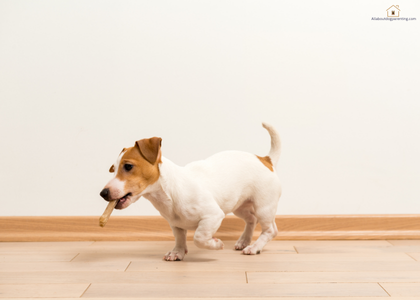
Rehabilitation vet Dr. Marianne Dorn notes, “Good footing will help your dog move around more safely.” For that, non-slip flooring for dogs is non-negotiable. These surfaces offer a cushion for the joints, which contributes to the long-term well-being of pets of all ages but is especially crucial for senior pups.
Using eco-friendly, low-VOC materials is another considerate choice as it keeps chemicals at bay. For example, wood sealed with zero- or low-VOC, plant-based finishes limits chemical exposure and is at the same time easy to maintain. It’s a truly durable flooring for pets that resists stains and odors. When you find the right dog-friendly floor, you’ll see how that one choice goes a long way in making everyday life easier for you and your pup.
Best Flooring Types for Homes with Dogs
Let’s take a look at which options deliver on the parameters of safe and durable flooring for pets. Here are my top picks:
- Luxury Vinyl Plank (LVP)
LVP is 100% waterproof and very hard to scratch. It convincingly mimics wood or stone but stands up to claws. This waterproof flooring is ideal for homes with active pets, as it makes cleaning up those muddy paws or spills a breeze. A quick sweep and mop, and you’re done. Although these are scratch resistant floors, you need to keep your pet’s nails trimmed to avoid any possible nicks.
- Tile and Porcelain
Tile flooring for homes with dogs is the ultimate durable choice. Ceramic and porcelain tile are waterproof, stain-resistant, and scratch-resistant. Cleanup is easy. Just mop spills and muddy paw prints. However, tile is very hard and can be slippery. To keep your dog comfortable, use slip-resistant tile or scatter rugs for traction, especially if you have an older dog. Despite that, tile’s toughness and low maintenance make it perfect for kitchens, mudrooms or anywhere messes occur.
- Laminate Flooring
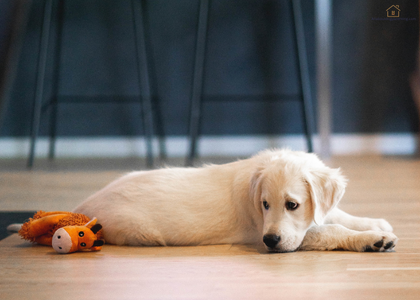
Laminate is an affordable wood-look choice. High-grade laminate like AC4/AC5 resist scratches. It cleans easily. However, laminate isn’t fully waterproof. Pick a water-resistant type and wipe up spills fast to avoid warping. Laminate can be slick, so area rugs for better traction. In short, pet-resistant laminate gives you style on a budget, but moisture is its nemesis.
- Engineered Hardwood
Engineered hardwood has a real wood surface on a stable core. It provides a classic wood look, but it can still scratch and stain. Choose a very hard species, like oak, with a durable finish, and clean up spills immediately. Sweep or vacuum regularly and lay rugs by dog beds or food bowls. It’s elegant, but note it requires upkeep. This pet-friendly hardwood is more high-maintenance than vinyl or tile. With care, a well-sealed engineered wood can still shine in a dog home.
- Bamboo Flooring
Bamboo is eco-friendly and surprisingly tough. Many bamboo floors are harder than oak and resist scratches and dents. It’s often pre-sealed, and light-colored bamboo can hide fur well. Dark bamboo is usually softer, so pick wisely. Like wood, wipe up spills quickly. Overall, bamboo blends durability with a unique style, making it a sustainable choice for dog homes.
- Cork Flooring
Cork is a soft, cushioned floor that dogs seem to love. It’s antimicrobial and mold-resistant, so it won’t trap odors. Because it bounces underfoot, it’s gentle on joints. Keep cork sealed and dry, as standing water can damage it, and use pads under heavy furniture. Although cork can dent from heavy loads, many pet parents praise this soft floor for dogs for its warmth and noise reduction.
Flooring Types to Avoid with Dogs
When it comes to homes with dogs, some floors are best avoided. Some of the worst flooring for dogs, in my experience, include,
- Carpets: It may feel cozy, but dogs turn it into a stain- and odor-magnet. Even the hardiest vacuum can’t prevent a wet accident from seeping in. And for some reason, dogs choose carpets as their preferred spot for hurling, making maintenance and hygiene that much more challenging. So, best avoid carpet if you have pets
- Softwood floors: Floors made of softwood like pine or fir are also poor picks. Owing to their low density, these floors get gouged in no time and have no chance of standing up to pet claws
- Unsealed stone: Unsealed stone can absorb moisture and odors, leaving stains from urine or spills. The floor damage caused over time can be hard to cover up
If you have a pet, anything porous or soft is best avoided. Stains, spills and scratches will add up quickly.
Maintenance Tips for Dog Owners
Even the most dog-friendly flooring requires regular and correct maintenance. Here are some tips that have stood me in good stead over the years:
- Regular Cleaning Routine
This is maintenance 101. A house with a pet needs daily sweeping or vacuuming and a weekly deep mopping to keep fur and dirt under control. Use gentle, pet-safe floor cleaners. You can explore plant-based or simple DIY solutions. For example, a basic mix of equal parts water and white vinegar works wonders on hard floors like tile, vinyl or laminate, without releasing any toxic fumes. Avoid harsh chemicals like bleach or ammonia that could harm sensitive paws or upset stomachs if licked. A vacuum with a pet-hair attachment is a lifesaver for loose fur, and quick clean-ups of any accidents prevent lasting damage.
- Nail and Paw Care
Keep your dog’s nails trimmed to prevent scratches. Long nails act like tiny gouges on hardwood or vinyl, so clipping regularly or using a grinder makes a big difference. I also wipe muddy or wet paws at the door every time we come inside. Even a towel mat at the entry helps. Cleaning dirty paws and keeping nails short go a long way toward protecting floors.
- Use Rugs and Mats
Scatter area rugs or runners in busy zones, around food bowls, beds, and doorways, to give paws more grip and catch spills. Likewise, entry-way mats can help trap moisture and dirt at the door before it spreads. For added traction, you can even use rubber-backed mats or anti-slip pads under rugs. The bottom line is that well-placed rugs and anti-slip mats can be your best friends for preventing slips and protecting floors from wear.
Eco-Friendly & Non-Toxic Options
Many pet parents are surprised to learn that there are volatile chemicals in flooring and finishes, which can have an impact on health in the long-term. An easy way around this possible risk is to look for low-VOC, non-toxic flooring options. That means floors with formaldehyde-free cores, like modern LVP or bamboo, and water-based or plant-based finishes. For example, using zero- or low-VOC sealants on wood or bamboo locks down fumes.
Also use low-VOC adhesives and underlayment when installing floors. Sustainable materials like reclaimed wood, bamboo or cork also minimize toxic impact. Recycled-content tile and linoleum, made from linseed oil and limestone, are naturally eco-friendly and hypoallergenic. A pet with allergies will thank you for floors with no hidden toxins.
Even simple choices, like avoiding high-VOC glues, cut out hidden hazards. Pet-safe, green floors tend to be easier to clean and gentler on sensitive paws. Bamboo, cork, and porcelain tile are among the front runners for such eco-friendly flooring dogs love.
Balancing Style and Pet Practicality
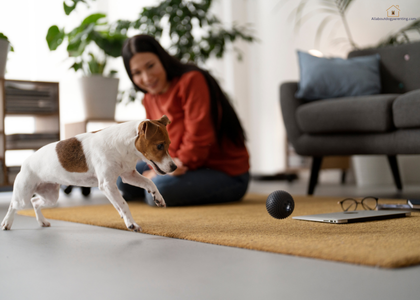
Having dogs doesn’t mean compromising on style. Think strategically: medium-tone woods or patterned tile hide fur and scuffs better than very light or very dark floors. For example, I’ve chosen ceramic, non-slip tiles with a gray grain for my floors. It looks modern and downplays scratch marks and dog hair.
During my research on pet-friendly flooring options, I’ve found that floors with natural variations, like wood-look LVP or multi-tone tile, are more forgiving than perfectly smooth, single-color surfaces. You can also layer in chic area rugs or runners to tie together your décor while protecting key spots.
For a sleek look, consider large-format porcelain planks, which fit the modern dog-friendly flooring bill, or even polished concrete with decorative rugs. Play round by mixing comfort and design. For example, use a bold geometric rug atop a durable floor for added flair. With the right stylish, dog-friendly flooring, your home can be both pet-proof and Pinterest-worthy.
FAQs About Dog-Friendly Flooring
- What’s the most durable flooring for dogs?
Tile, porcelain or thick vinyl plank are the front runners. These floors are fully waterproof and highly scratch-resistant, so even large breeds won’t easily damage them. Bamboo is another top contender, owing to its scratch- and dent-resistant properties.
- Can dogs scratch vinyl or tile?
Vinyl plank is tough. It’s waterproof and easy to clean but not indestructible. Aggressive digging or extremely sharp claws can eventually leave fine marks. Porcelain and ceramic tile are much harder, so normal dog nails won’t scratch them. In other words, tile floors usually stay pristine under pets, while vinyl can show fine scratches if nails get too long.
- What flooring is best for senior dogs?
Softer, slip-resistant floors help aging joints. Many experts note that cushioned cork floors are kindest to old paws. It’s springy feel makes it easier to walk on and eases aching joints. Padded vinyl is another helpful choice. You can also add rugs or runners for extra grip. A textured surface underfoot makes walking easier for seniors.
- How can I protect my hardwood floors from pets?
Wood floors look great but scratch easily. You can protect it by using area rugs in dog-play zones and by keeping claws neatly trimmed. Choose a very hard wood species and apply a tough polyurethane sealant. Clean up spills immediately to prevent stains. With these steps, even real wood floors can survive playful pups.
Takeaway
The best flooring for dogs is one that blends toughness with comfort. My top picks are waterproof LVP and tile for their durability, plus cushioned options like bamboo and cork for joint support. It’s all about finding that sweet spot between aesthetics and personal taste and practical features such as scratch-proof, easy-clean, and non-toxic. Prioritize a floor that’s hygienic, comfortable underpaw, and fits your style. With the right choices and well-placed rugs, you’ll have a home that’s beautiful and designed to support puppy play. After all, life’s better when your floors hold up to tail wags, muddy paws and all the love that comes with it.