How Fast Do Puppies Grow? Care Adjustments You Should Make
How fast do puppies grow? I’d say at lightning speed. One minute you’re cuddling a wiggly furball, the next they’re almost full-size! It can be hard to keep up with puppy growth spurts, making sure you’re offering the right care at every step of the way, especially when you’re juggling feeding schedules, playtime, training, and dealing with changes like excessive chewing or anxiety.
To help you navigate the different stages as seamlessly as possible, I’ve compiled this detailed guide on how fast puppies grow by age and what it means for their day-to-day care. We’ll cover the rapid early growth, breed and size differences, and practical tips on feeding, exercise, sleep, and training. Keep in mind: each puppy is unique. Little breeds sprint through puppyhood, while giants take their time. But this guide will give you a clear growth roadmap and care checklist to help you meet your growing pup’s needs.
TL;DR / Quick Summary: Puppy Growth Speed — What to Know
- Puppies shoot up fastest in the first few months, especially 0–4 months
- Growth slows gradually after 6 months. Many small breeds reach adult size by 9–12 months, large breeds by 18–24
- Each puppy goes through growth spurts, usually in early puppyhood and adolescence
- Care routines must adjust as your puppy grows. You need to adapt diet and exercise according to age, breed, and energy
- Monitor growth with regular weigh-ins. Abrupt weight changes or stiff joints are warning signs to seek medical attention
How Fast Do Puppies Grow in the First Year?
In the first year, you see puppy growth rate varying astronomically. Puppies pack on weight almost daily in the first part of their lives. In the first 3–4 months, most puppies are in their fastest growth phase. In fact, many puppies double their birth weight by about 10 days old and keep bulking up. During these early months, puppies go through visible growth spurts. You might actually wake up and wonder if they grew overnight! In fact, a 6-month-old pup is often already a large fraction of its adult size. On average, a small breed is about 75% of full size by 6 months, whereas a large-breed pup might only be 60% there.
After 4–6 months, growth still continues but steadies out. By the time many small and medium dogs hit a year old, they’ve reached or nearly reached full height and weight and you may notice fewer drastic puppy size changes. In contrast, big breeds keep growing longer. Some giant breeds aren’t done until 18–24 months.
When trying to understand how fast do puppies grow, keep in mind that growth isn’t just limited to their size, which you get to see. It happens on many fronts. Bones lengthen, organs mature, and even the brain develops rapidly. All these changes mean calorie and nutrient needs are high in the first year. You’ll notice puppies eat a lot, sleep even more, and seem to transform every few weeks.
As a GSD mom, I remember my shepherd pups shooting up before my eyes. One day my 8-week-old GSD could barely jump onto the couch, two weeks later he had to back into it like a boat. Knowing these growth patterns helped me adjust food and activity as he grew. Let’s take a detailed look at the typical puppy growth by age trajectory, so you know what to expect at each stage of puppyhood.
Puppy Growth Rate by Age
0–3 Months (Newborn to 3 months)
This is peak growth time and you get to see how fast puppies grow by age in this phase. Newborn puppies double their birth weight in about the first week. In the next eight weeks, they keep packing on pound-for-pound. For example, a small-breed pup might be only a few ounces at birth but several pounds by 3 months. Big pups also bulk up fast, though they remain proportionally leaner. During this period you can expect:
- Rapid Weight Gain: Most of their growth is in weight, not height. Watch your puppy’s weight chart. Steady daily gains are good. While it’s normal for weight to remain unchanged on some day, a consistent lack of gain or weight loss signals trouble
- Bone & Teeth Development: You’ll see milk teeth erupt by 3–4 weeks, and by 6–8 weeks, they often have a full set of sharp puppy teeth. Bones are growing too. Growth plates at bone ends are very active and flexible at this stage. Because teeth come in and bones lengthen, puppies at this age chew things and may wobble on unsteady legs
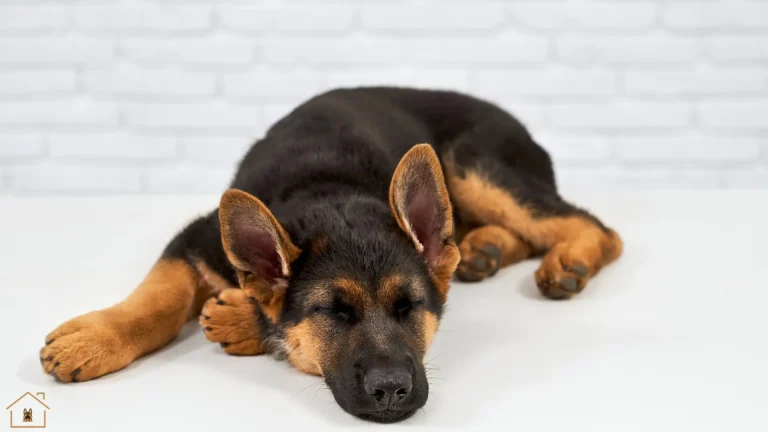
- High Sleep and Calorie Needs: Puppies under 3 months sleep around 18–20 hours a day because growth requires energy and recovery. They also have high metabolic rates. Aim for frequent nutrient-rich meals. Ideally, 4–5 small meals by 6–8 weeks, tapering to 3–4 by 3 months. Puppies sleep a lot during this time because their bodies need time to grow and repair. Don’t be surprised if your pup dozes off right after a short play session. They need this rest to fuel muscle and brain development
4–6 Months
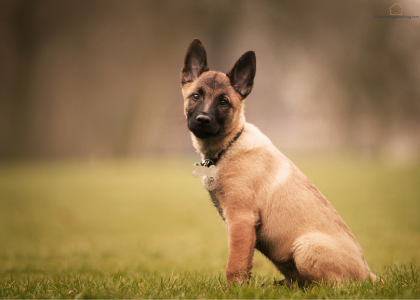
Puppyhood continues at a breakneck pace, though you may notice growth starting to even out. Key changes in this mid-puppy phase:
- Continued Rapid Growth: Puppy growth spurts continue, especially around 4–5 months. Leg bones, spine, and muscles are lengthening quickly. By about 6 months, many small dogs are roughly 75% of their adult height, medium breeds 66%, and large breeds 60%. A 6-month review of weight charts will show the your pup has more than tripled their birth weight
- Coordination and Strength: As their bodies change, puppies may be a bit awkward at first. They may clamber up steps or look wobbly while jumping off furniture. By the end of this period, most puppies have much better balance and speed. I recall my young GSD, at 5 months, suddenly dashing around like a little adult dog, all of a sudden. It almost felt like she grew in size and stability overnight
- Appetite & Energy: Growth needs remain high, so appetite often stays hearty. Some owners see their pup demanding more food during growth spurts and then settling. Keep meal amounts adjusted. Feed measured portions to match a slower but still robust growth rate. Energy levels are also through the roof. Puppies at 4–6 months are playful energy machines. They need right outlets for that energy, otherwise they tend to become destructive
6–9 Months
At this point, growth begins to slow in smaller breeds. Many toy and small dogs may already be near adult size by 9 months. Medium breeds continue to add muscle and height, while large and giant breeds are still scaling up significantly. Highlights of 6–9 months:
- Slowing Height Growth: Small-to-medium pups often see only minor gains in height now. A 7-month Chihuahua or Beagle may look like a small adult. Big pups, however, still have significant growing to do. Great Dane, GSD, or Labrador pups at 9 months are usually only 75–85% of final size
- Filling Out: Expect your puppy’s frame to fill out. Muscles thicken and fat distribution evens out. This is why a 9-month-old puppy may feel heavier even if it doesn’t look much taller. Continue feeding a balanced puppy diet. The emphasis should be on quality protein and moderate fat, to prevent growth-related or orthopedic issues later
- Adolescent Behavior: Around this time, your pup is not very different from a defiant human teenager. Mental maturity lags behind, and many puppies begin testing independence. I’ve noticed all of my GSDs becoming more stubborn about complying with commands around this age. The key to handling this is patience and consistent reinforcement through training. Remember, even if your pup looks tall and grown, it’s still a baby inside. Do not scold or punish them
9–12 Months
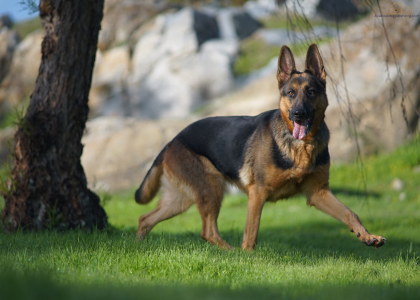
How fast do puppies grow between 9 and 12 months? Well, the finish line is in sight, but varies by size. By one year, small and most medium breeds have reached nearly 100% of their adult height. Large breeds often reach around 85–90% of their final size by 12 months, with the final bit filled in by 15–18 months. While there may be no more distinct puppy size changes, you can expect the following changes:
- Approaching Adult Size: A 10–12-month-old small dog, like a Dachshund or Corgi, might be indistinguishable from an adult in size and shape. Puppy growth spurts stop by now. In contrast, a large breed, like a Great Dane or St. Bernard, will still have substantial growing to do, mostly added bulk and length
- Growth Plate Closure: This is the era when growth plates begin to close, as calcium hardens the cartilage in bones. Dr. Jerry Klein, DVM, notes, “Once growth plates have stopped producing new tissue and become completely calcified, they’ve stopped growing.” After this, your dog will mostly just put on muscle or weight, not height.
- Mental Maturity Lags: Even if a pup is 90% grown, puppy behavior can persist for months. High energy, chewing and being distractible are still normal. It helps to remember that physical maturity does not equal adult behavior. Be consistent with training and expect some of the teenage rebellion to continue
What Affects How Fast Puppies Grow?
Several factors influence your individual puppy’s growth rate:
- Breed and Size: Genetics and breed make the biggest difference. Tiny toy breeds often become full-grown in under a year, while giants may be puppy-sized well past one year. Even within a breed, the parents’ sizes give clues. For mixed-breeds, it’s a bit of a guessing game
- Genetics: Regardless of breed, each pup’s DNA decides its mature frame. Even littermates can vary. One may stay petite while the other shoots up
- Nutrition Quality: A balanced, high-quality puppy food supports healthy growth. Puppies need more protein, fat, calcium, DHA, etc., than adults. Overfeeding or using free-choice adult food can accelerate growth too much, which is risky and can overwhelm developing joints. Conversely, poor diet or underfeeding can stunt growth and weaken a puppy’s frame
- Overfeeding/Underfeeding: Calories count. Too many calories or excessively high-energy puppy food pushes a puppy into maximal growth, raising risks of obesity and bone problems. Too few calories can leave a pup lagging. Regular weigh-ins and body-condition checks are key. Vets advise portion-feeding and tracking weight to keep growth slow and steady
- Health Issues: Illnesses or parasites can slow weight gain. Hormonal problems like undiagnosed hypothyroidism can also affect growth. Always treat sudden stalls or weight loss seriously
- Activity Levels: Active puppies may be leaner, but over-exercising is risky. Hard, repetitive exercise on soft bones can trigger orthopedic issues. A puppy who can’t settle or is chronically exhausted may have an underlying problem
- Neutering/Spaying Age: Early neutering can delay growth plate closure slightly, letting some dogs grow a bit taller than genetically expected. This effect is minor but something to ask your vet about if planning early spay/neuter
In short, genetics set the range and nutrition/exercise determine if growth hits the upper or lower end of that range. Dr. Klein explains, “Large-breed puppies naturally have more rapid growth rates and reach full skeletal maturity later than small dogs. That’s why we tailor care by breed size.”
Care Adjustments You Should Make During Rapid Growth
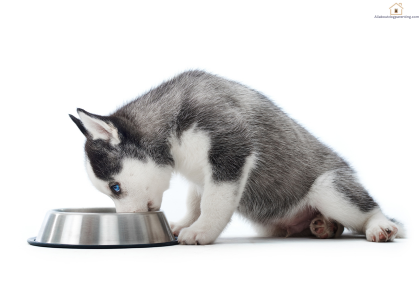
As your puppy grows, you’ll need to tweak food, play, and training. Below are practical adjustments to match their changing needs:
Feeding Adjustments: Feed a balanced puppy diet appropriate for your breed size. Follow label or vet guidelines on portions and increase amounts as your pup gains weight, but avoid free-feeding. It’s best to do measured meals on schedule. Always monitor body condition. If your puppy looks pudgy, cut back. During growth spurts you might naturally see them wanting extra food, and it’s all right to adjust portion sizes and then scale back slightly once the spurt passes. If you’re unsure, consult your vet
Exercise Adjustments: Low-impact is the name of the game. Puppies, especially large breeds, have soft growth plates in their bones till 12–18 months. Avoid high-impact activities like long runs, frisbee/flyball, or multiple-stair lunges. Instead, do short leash walks, gentle play and swimming. Always let them set the pace, and watch for signs of fatigue or reluctance and end play early if needed. Forced running or excessively long walks and high jumps can strain young joints, especially in giant-breed pups
Sleep & Rest Adjustments: Puppies need plenty of downtime. Growth takes energy, so expect lots of naps, especially when your pup is very young. Don’t over-schedule them. After a training session or playtime, give quiet time to recharge. If your pup seems suddenly lethargic or refuses normal play, it could be a sign of a problem and needs vet attention.
Training Adjustments: Remember that with all the changes, a puppy’s attention span and mood shift. Short, positive training bursts work best. When your pup hits adolescence, their personalities also start to shift, and they may be testing boundaries. Don’t be surprised by a little backsliding on house rules. Keep training consistent and positive, adjust your expectations, and use lots of praise. Handle setbacks patiently, with consistent training, and don’t hesitate to consult a professional if you’re unable to tackle behavioral changes on your own
Signs Growth Is Healthy
As long as your puppy is gaining weight steadily and acting like a spry pup, you’re likely doing well. Healthy signs include:
- Steady weight gain: Each week, your puppy should be a bit heavier, following normal breed curves. It helps to keep a puppy growth chart handy to be sure that your pup is staying on the same centile line
- Energetic, balanced behavior: A growing puppy typically has plenty of energy and a good appetite. They bounce around and play confidently. Their coordination improves as muscles develop
- Healthy coat and posture: A shiny coat, bright eyes, and no obvious stiffness are good signs. Limbs should look straight and symmetrical as they grow
- Lean body condition: Puppies tend to have a bit of puppy fat, but shouldn’t be flabby. In fact, keeping them on the lean side is ideal, as it reduces the risk of skeletal problems
Trust your instincts. If your puppy generally looks happy, runs and plays, and eats well, their growth is probably healthy.
Signs Growth May Need Attention
Sometimes growth doesn’t follow the textbook. Watch for red flags and act early:
- Failure to gain weight or weight loss: If your puppy is not gaining, or worse, is losing weight over several days, get it checked. A stall or drop in weight often signals illness or nutritional problems
- Extreme lethargy or weakness: A puppy that’s suddenly unwilling to play, has no appetite, or is listless is not just tired. Something might be wrong
- Limping or stiffness: Mild soreness from muscle growth is normal, but persistent limp, “bunny-hopping” rear legs, or pain after normal activity is not. These can be early signs of hip dysplasia, panosteitis, or other orthopedic issues. Don’t ignore these symptoms.
- Rapid or stunted growth patterns: A puppy growing too fast (shooting well above expected weight percentiles) could become overweight. For instance, Royal Canin’s chart cautions that a growth line veering rapidly upward across percentiles “could indicate a risk of the puppy becoming overweight”. On the flip side, if your puppy’s growth line flattens or dips, that’s a sign of failure to thrive.
- Appetite changes or vomiting: A healthy pup usually eats eagerly. If feeding suddenly becomes hard (vomiting, refusing food, diarrhea) it can derail normal growth.
If you notice any worrying signs, don’t hesitate to consult your vet. As Texas A&M vet tech Harmony Diers advises, “If a puppy is not moving normally, not eating well, or is acting sick, you should get veterinary help right away. Catching growth problems early makes treatment easier.”
Growth Spurts vs Behavior Changes
It’s easy to assume that a rapidly growing puppy should suddenly have adult-like behavior, but that’s a trap. Physical growth spurts and mental maturity are different timelines. A puppy might shoot up in size one week and still be a clumsy, silly kid. Just like human teens, puppies can be “all body and no brain” for a while.
Final Takeaway
How fast do puppies grow? Really fast, especially in those first months. The puppy growth rate varies by breed. Tiny breeds can become adults in under a year, giants take closer to two. As they race through puppyhood, you’ll need to adjust your care, from meal portions to activity and training, to match their changing bodies. Keep an eye on the scale and your pup’s energy. Steady gains and a happy, active pup are signs everything is on track. Remember, track their growth, keep feeding and play age-appropriate, and stay attentive to any unusual signs. With the right nutrition, exercise, and love, you’ll help your little one grow into a strong, healthy dog.
Explore More: For detailed puppy care by age, check out our guides on feeding schedules and exercise routines.
FAQs
- When do puppies stop growing?
It depends on size. Toy and small breeds often finish by 9–12 months, mediums by about 1 year, and large or giant breeds by 18–24 months.
- Do puppies grow overnight during spurts?
Sort of. Owners often joke that their pup looks bigger after a sleep. Growth spurts are real. You might see noticeable size jumps from one week to the next, especially around 3–4 months and again in adolescence.
- How can I tell if my puppy is growing too fast?
Keep track of weight and body condition. If your pup is suddenly heavy and round, or climbing above standard growth curves, you may need to cut back. A vet check is wise if you’re concerned.
- Should I change puppy food during a growth spurt?
Not necessarily. Continue a balanced puppy formula, but you might increase the amount slightly if your pup is hungrier. Always do adjustments gradually. Before switching formulas or feeding adult food, talk to your vet. Feeding the right type and amount of puppy food is more important than gimmicky growth-phase diets.