Age-Based Puppy Care Guide: What to Do, Change & Avoid at Every Stage
Bringing home a new puppy is thrilling but raising one can feel overwhelming. As a dog mom who’s weathered it all, I know that each phase of puppyhood has its own wins and challenges. In this age-based puppy care guide, I break down puppy care stage by stage, month by month. You’ll learn exactly what to focus on, what to adjust as your pup grows, and what pitfalls to avoid at every age.
As Dr. Emily Klosterman, DVM, reminds us, “With patience, love, and the right guidance, you can navigate the journey of puppy parenthood with confidence.” Consider this your one-stop puppy primer, from newborn snuggles to the rambunctious adolescent period. No fluff, just straight talk from one experienced pet parent to another. Let’s get started!
TL;DR—Quick Summary
- Newborns (0–8 wks): Keep pups warm, fed (nursing or formula), and gently handled. Delay big outings
- 2–3 months: Focus on house-training and socialization in safe ways. Stick to a feeding schedule and begin basic training such as name and sit
- 4–5 months: Expect a growth spurt and teething. Give chew toys, continue vaccines, and ramp up training consistency
- 6–8 months: Puppy puberty hits. Maintain exercise and obedience classes. Plan spay/neuter, and adapt diet (usually down to two meals/day)
- 9–12 months: Approach adult stage. Keep reinforcing good behavior, evaluate switching food, and celebrate your almost-grown pup
- Keep routines steady: Consistent feeding times, potty breaks, and bedtime help your pup thrive. Puppies with healthy appetites (eagerly finishing meals) and plenty of restful sleep (waking alert and playful) are usually on the right track
- Avoid common mistakes: Don’t skimp on socialization. It’s critical to expose your pet to different surroundings, people, and pets by 12–16 wks. Avoid punishment while training, and don’t ignore health or behavior red flags such as persistent lethargy or severe separation distress
- This puppy care month-by-month guide has everything in one place. Use this as a checklist at each stage to make sure you’re covering all bases
How to Use This Guide
This guide is organized by age, so you can jump to the section that matches your puppy’s current age or browse all at once for a complete picture. Each of these puppy care stages, covering ages 0–8 weeks, 2–3 months, 4–5 months, 6–8 months, and 9–12 months, has four parts:
- What You Should Focus On
- What You Need to Change
- Common Mistakes to Avoid
- A Quick Care Checklist
Think of these as a roadmap for puppy parenting. The bullet-point checklists make it easy to scan what’s most important, and all the information is backed by insights from vets and trainers. Keep in mind that your puppy might hit milestones slightly earlier or later than another breed. Always tailor these age-based guidelines to your pup’s unique growth. Bookmark this page; it’s meant to be your go-to reference. Ready? Let’s dive into puppy care month-by-month.
Puppy Care Is Not One-Size-Fits-All
Every puppy is an individual, and breeds vary widely, but puppy care by age helps guide us through the whirlwind of the first year. In my experience with German Shepherds, I’ve seen how a two-week-old puppy’s needs are worlds apart from those of a six-month-old. For instance, newborns sleep and nurse nearly nonstop, whereas teens might question every command. We can’t use the same approach for all ages. What works for a 10-week-old—thinks lots of naps, belly rubs, and supervising potty trips—won’t work for an 8-month-old, who needs structure, exercise, and more independence.
That’s why this guide breaks puppy care month-by-month. It takes the guesswork out of “what do I do now?” and replaces it with stage-specific advice. We’ll combine my real-world puppy mom observations with vet and trainer tips so you feel confident and ready at each turn.
0–8 Weeks
What You Should Focus On
- Warmth and Feeding: For the first month, puppies are basically draped over a heat pad and their mom. Keep the whelping area cozy, at around 85–90°F initially, and make sure they’re nursing well every 2–4 hours. If orphaned, feed a milk replacer formula by bottle or syringe to prevent hypoglycemia
- Gentle Handling: From as early as 1–2 weeks, start very gentle socialization by softly stroking and holding your pup or encourage the breeder to do so. This builds trust and helps them learn to be handled by humans. Keep interactions short, preferably 1–2 minutes per day, and calm. Too much stimulation too soon can stress tiny pups
- Safety and Hygiene: Puppy-proof the birthing box. Remove any hazardous materials such as strings, plastic, wood splinters. Change bedding daily or more often to keep it clean. The breeder or mom usually cleans poop, but if you’re foster-raising, use warm damp cloths to wipe the pup’s bottom after feedings to simulate mothering
- Veterinary Basics: By 6–8 weeks, pups should have had a first vet check. Your vet will deworm and check for congenital issues. This is not the time for big adventures, but do plan the first vaccine visit soon after 6 weeks
What You Need to Change
- Start Thinking Transition: Around 4–6 weeks, puppies begin nursing less and tasting solid food. Introduce puppy gruel, which can either be kibble soaked in warm water or puppy formula gradually. By 7–8 weeks, they should be almost fully weaned onto puppy food. This is a subtle shift but crucial for growth
- Increase Independence: If you’re taking a pup home at 6–8 weeks, prepare a small crate or playpen corner. Start laying the groundwork for crate comfort now. Leave the crate door open with comfy bedding and let the pup explore it freely with safe chew toys inside
- Limit Play Handling: As the puppy’s strength grows, by around 7 weeks, give longer play-snuggle sessions. Change from mostly passive handling to playing gentle tug-of-war or ‘find the toy’ games to engage their mind
Common Mistakes to Avoid
- Too Early Separation: Never take a pup home before 8 weeks unless there’s no other option. Puppies under 8 weeks miss out on critical learning such as bite inhibition and other social cues from mom and littermates
- Overwhelming Environments: This is the most critical of puppy care stages and you must be mindful of the kind of environment your pup is exposed to. Avoid loud noises and erratic visitors. An 8-week-old startled by vacuum or chaos can imprint fear
- Skipping Basic Vet Care: Don’t neglect early deworming and the first health check. Young pups are very vulnerable to parasites and infection
- Underfeeding/Overfeeding the Mother and Puppy: If you’re the breeder, a mom dog needs increased calories. If foster-raising, don’t force the puppy to eat huge amounts. Follow weight gain charts and vet advice
Quick Care Checklist
- Provide warm, draft-free whelping area with clean bedding
- Ensure consistent feedings: nursing every few hours or formula by schedule
- Handle gently 1–2 min daily to build comfort, but allow LOTS of sleep
- Keep the area spotless. Wash bedding and clean up messes promptly
- First vet visit by 6–8 weeks for deworming and health check
- Begin crate introduction, with an open crate with soft bed and a couple safe chew toys inside
2–3 Months (9–12 Weeks)
What You Should Focus On
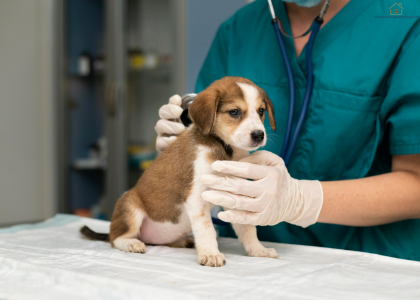
- Socialization Window: This is crucial. The experiences your puppy has from 7 weeks to about 16 weeks shape their adult personality. During this window, typically around week 9 when all basic vaccinations are done, start gentle exposure to new people, sounds, and safe places. Carry your pup to greet a calm visitor or introduce them to a vaccinated, friendly dog in a controlled setting. Plan short walks, once two basic vaccines are done, and puppy playdates
- House and Crate Training: Start a solid potty routine. Take them out first thing, after naps, after play/feeding, and just before bed. Keep track of the “three P’s”: practice, patience, praise. When accidents happen, calmly clean up. Never scold your puppy for having an accident. Use positive reinforcement when they potty outside. For crate training, introduce meals in the crate and reward calm behavior inside. As VCA experts note, “Crate training can begin at any age, and starting early makes it easier.”
- Begin Basic Obedience: Start short training sessions of about 5 min each, 3-5 times/day, using positive reinforcement. Teach their name, “sit,” “come,” and house manners. Use treats and praise. Puppies learn quickly when it’s fun
- Nutrition: Feed high-quality puppy food on a schedule, usually 3-4 times a day. Puppies at this age are still growing fast, so calorie and nutrient needs are high. Use a measured schedule to keep their digestion regular. Make sure they always have access to clean drinking water
What You Need to Change
- Weaning Complete: By 8 weeks, your puppy should be off milk/formula. Now feed moistened kibble. Follow the puppy food guidelines on the bag by weight
- Crate Routine: Move toward having your pup sleep in their crate at night, possibly next to your bed so they don’t panic. Gradually have them spend brief periods alone in the crate, start with 15–20 min while you’re home to check, so they learn it’s a safe space
- Feeding Adjustment: As they grow, you might still feed 3-4 times daily, but keep an eye on tummy size. Healthy pups usually finish their meals. If they dawdle or seem anxious, talk to your vet about food or feeding style
- More Enrichment: Puppies at this age are curious. Introduce food puzzles, safe chew toys, and some short games such as hide the treat or gentle fetch to engage their minds. It’s a good time to teach bite inhibition. Yelp or stop play if they nibble fingers too hard, then resume gently once your pup is relaxed
Common Mistakes to Avoid
- Rushing Socialization: Don’t skip meeting kind strangers because your pup isn’t fully vaccinated yet. You can carry or use a carrier in low-risk places. The risk of behavior issues from isolation outweighs illness risk once basic vaccines are started
- Punishing Accidents: Punishing an accident can be scary for your puppy. Instead, watch their signals and rush them out next time
- Feeding Too Much/Little: Puppies grow on a curve. Overfeeding can cause overly rapid growth, which is bad for their joints, and underfeeding causes weight loss. Check weight weekly. If in doubt, consult your vet
- Neglecting Tooth Care: Teething starts. Keep a lot of chew toys on hand to protect your shoes and furniture. Avoid pulling things from their mouths. Puppies have the reflex to hold on, and pulling too hard can damage their tiny teeth
Quick Care Checklist
- Socialization: Invite friendly folks over, introduce vaccinated dogs, expose to new sights and sounds
- Potty Schedule: Take outside at key times such as upon waking up, post-meal, post-play, and at bedtime. Praise successes lavishly
- Crate/Crib: Feed meals in the crate, praise calm crate time, and have a bedtime routine to crate with a toy
- Basic Training: Short daily sessions for name, sit, come. Use treats and play. Practice gentle leash walking, with breakaways, on quiet streets
- Nutrition: Stick with quality puppy chow. Most pups at this stage still eat 3x/day. Measure portions
- Chew Toy Rotation: Offer rubber toys and frozen washcloths to soothe gums
- Health Check: Complete vaccines as scheduled, usually around 12 weeks. Keep up deworming and flea/tick prevention as recommended by the vet
4–5 Months
What You Should Focus On
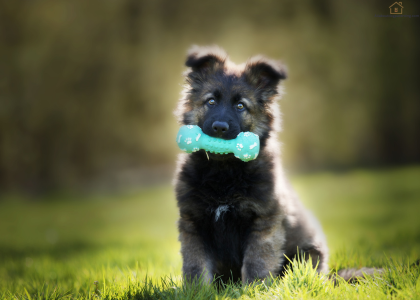
- Teething Management: Around 3–5 months, most puppies are swapping baby teeth for adult ones. They may chew obsessively to ease discomfort. Provide sturdy chew toys such as rubber bones or dental chews, and rotate them so interest stays high. If your puppy gnaws furniture or hands, calmly redirect to an appropriate chew toy. Expect a bit of drooling or bleeding gums. Keep brushing their teeth gently, with a dog toothbrush or gauze, to prevent buildup
- Reinforce Training: Continue obedience. Now is a great time to enroll in a puppy class, which promotes interactive learning with other pups. At this stage, you can start with more complex commands such as stay, wait, leave-it. Always use positive reinforcement. According to AKC trainers, “A dog who is not defiant but rather uncertain might need extra confidence-building, especially if a fear period hits.”
- Exercise and Play: Energy is ramping up. Plan multiple play and exercise sessions daily. This could include short hikes, fetch, or tug. Tired pups behave better. Keep each session fun and end positively
- Nutrition and Growth: Monitor weight and body condition closely. Most medium-to-large breeds can stay on puppy food up to this point. You may continue 3 meals/day, but some pups can drop to 2 meals soon. Consult your vet. Large breed puppies might need to continue on a 3 meals/day to ensure slow growth
- Routine: By now, your puppy should be in a consistent daily rhythm, and you should have the wake-potty-play-feed-nap routine down. Routines provide comfort, so stick to regular mealtimes and bedtime
What You Need to Change
- Feeding Frequency: Plan to shift from 3 to 2 meals per day around this stage but only after your vet okays it. This mirrors adult feeding schedules and aligns with their longer stomachs
- Training Challenges: Start adding distractions during training. Practice commands at the dog park, around noise, etc, so your pup learns to listen even when excited
- Crate Size: Your puppy might be growing fast. If the crate is cramped, move to the next size or adjust the divider so they have room to stretch
- Social Circles: As vaccines wrap up, start taking your pup out more. Continue “puppy playdates” but ensure all dogs are fully vaccinated
- Boundaries: Firm up house rules. For example, if sofa snuggling is okay, stay consistent. If not allowed on furniture, begin gently enforcing that rule now. Consistency is key.
Common Mistakes to Avoid
- Skipping Spay/Neuter Prep: If you plan to spay/neuter, check with your vet. You’d want to get it done around 6 months, so now is the time to have a plan in place
- Overfeeding Treats: With all the training cues, it’s easy to overdo treats. Watch your pup’s weight. Use tiny food pieces or just praise as rewards
- Punishing Teen Chewing: Don’t yell at chewers. It’s normal teething behavior. Instead, manage the environment by leaving your pet in their crate or a playpen when unsupervised and giving lots of safe chew items
- Ignoring Fear Signals: If your puppy suddenly startles easily, don’t force them. Trainers stress that forcing a puppy through fear only deepens it. Let them retreat and try again gently later
Quick Care Checklist
- Dental Care: Brush teeth weekly. Keep chew toys on hand. Frozen treats offer great respite to sore gums
- Training Increase: Start potty-training and house manners. Take basic commands to the next level by increasing the duration of sit-stay commands or practising recall with distance
- Vaccines: Complete remaining boosters by 16 weeks
- Meal Plan: Possibly shift to twice-daily feeding. Continue weighed meals and avoid table scraps
- Exercise: Schedule daily walks and play. Adjust the time and intensity as per breed energy
- Socialization Continues: Still expose gently to new things such as new car trips, kids, mild noises. Keep it positive
- Rule Reinforcement: Cement house rules with consistent cues and rewards
6–8 Months

What You Should Focus On
- Teenage Energy: This is peak puppy adolescence, and arguably the trickiest of the puppy care stages to maneuver. Your pup may be 70–80% of full size but with even more energy. If your pup is a smaller breed, they may be done growing at this point. Maintain plenty of exercise such as daily runs, play sessions, and mental challenges. A confident pup in this age should be curious and willing to engage, not shut down from overstimulation
- Training Consistency: Keep up training rigorously. Work on impulse control games, focusing on perfecting commands such “leave it,” “drop it,” waiting at doors. Recall must be cemented by now. Remember, an intact 6+ month pup might start to roam or test limits
- Spay/Neuter: If you haven’t done it yet, discuss with your vet. Spaying/neutering around 6–8 months can curb some adolescent behaviors like marking, and mounting, and has health benefits
- Nutrition Adjustment: If you haven’t reduced to 2 meals/day, do so now. Also, check growth plates before switching to adult food. The general rule: stick with puppy kibble until growth slows, then transition to adult food around 12–15 months
- Socialization and Independence: Your pup should handle brief separations now. Start leaving them alone for short periods. Encourage calm alone time in the crate. Continue social outings but begin weaning off puppy classes if basic obedience is strong
What You Need to Change
- Feeding Transition: For most breeds, 2 meals per day is standard by 6 months. Large-breed puppies might still need high-calcium puppy food longer. Talk to your vet about when to switch to adult food
- Training Venue: Take training outside. Enroll in intermediate obedience or agility class if possible. This keeps your pup’s mind engaged and burning off teenage frustration
- Equipment Upgrade: By now, pups often chew through or outgrow puppy collars/leashes. Check all gear for fit and wear. Consider an exercise pen for home confinement instead of a very large crate, if needed, to give more room with still a barrier
- Bedtime Routine: By this age, most puppies can hold their bladder overnight up to 6–8 hours. Set yourself a bedtime routine accordingly: a final potty break, then quiet crate until morning. Many pups sleep calmly through the night by now
Common Mistakes to Avoid
- Forgetting the Second Fear Period: Your 6–14 month-old could suddenly be leery of storms, strangers, or heights. This is normal. Don’t punish them. Continue positive introductions but give them space to acclimate
- Skipping Exercise: It may feel like your pup is growing up, but they still need exercise. A bored, under-exercised adolescent can become destructive or anxious
- Neglecting Behavior Classes: If your puppy shows stubbornness or aggression, even play aggression or fear aggression, don’t hope it passes. Seek a certified trainer. Early intervention is key
- Assuming Training is Done: Some owners slack off here, but adolescence is a training honeymoon breaker. Keep using positive reinforcement. Your puppy is learning social manners even if he looks grown up
Quick Care Checklist
- Vet Visit: Usually by 6 months for final shots and to discuss spay/neuter timing
- Diet Check: Maintain 2 meals/day. Adjust portions to keep a lean body condition
- Advanced Training: Begin “leave it,” impulse control games, and longer recall work. Practice obedience in distracting locations
- Exercise Plan: Schedule daily runs, hikes, or playdates. For high-energy breeds like GSDs, consider two sessions (morning and evening)
- Grooming: Keep nails trimmed. They grow fast in active pups. Brush teeth and coat often
- Teething Out: Monitor that adult teeth have come in by 7 months. If any baby teeth remain after adult teeth appear, ask your vet about it. This is rare, but if it happens, your they may need extraction
- Continued Socialization: Expose to novel, controlled experiences, be it new classes, or travels, sounds, in a positive way to reinforce confidence
9–12 Months
What You Should Focus On
- Transition to Adulthood: Your puppy is almost grown-up! Continue reinforcing all commands until they’re second nature. This is the time to finalize any training goals, right from off-leash recall in safe areas to good manners when guests arrive
- Final Growth Spurts: Most dogs reach full height by now, but some big breeds fill out muscle/sinew until 15–18 months. Keep activity high but avoid strenuous impact exercise if joints are still developing
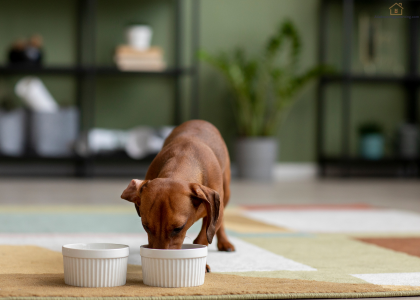
- Diet Switch (if needed): Many vets recommend switching to adult food now or in the next couple months, depending on size. Do it gradually. Mix puppy and adult food over a week, gradually increasing the proportion of adult food by 20% every day. Monitor weight carefully
- Health & Check-ups: This is a good time for a comprehensive exam and to start annual vet visits. Discuss heartworm testing. Keep vaccinations up-to-date.
- Reinforce Routines: You’ve put in the work. Keep feeding, walking, and bedtime routines consistent. By now, a good puppy should be sleeping comfortably through the night and have most house-training nailed down
What You Need to Change
- Food Portions: If you switched to adult food, adjust portions for maintenance levels. Be mindful that adult foods are more calorie-dense
- Training Style: Use longer-term rewards like games or praise instead of food every time. Gradually, fade out treats to just very high-value scenarios. Your trainer will thank you when you stop bribing!
- Exercise Routine: Your dog’s stamina should mirror an adult’s. Plan for at least 30–60 minutes of activity a day as a minimum, more if you have an active breed. Continue mental enrichment with activities like daily walks with new routes or puzzle feeders to prevent boredom
- Socialization: It’s not time to stop. Dogs continue learning all their life. Focus instead on variety and quality of experiences
- Strength Training: For larger breeds, start gentle muscle-building exercises like uphill walks or low agility obstacles, under vet guidance to support joints
Common Mistakes to Avoid
- Neglecting Fear or Stress Signs: Even at 9–12 months, your dog can display anxiety. Triggers can vary from the vet to groomer, or fireworks. Continue using calming aids and positive reinforcement, rather than chastising
- Letting Too Much Freedom: It’s tempting to assume “my puppy is fully trained now,” but avoid off-leash in uncontrolled areas until recall is perfect. One sudden chase can lead to disaster
- Overindulgence: Puppies, especially large breeds, can be prone to obesity if overfed in adult life. Keep treats limited and focus on lean muscle-building activities
- Inconsistency: If you ever relaxed rules, even once, your dog will test boundaries. Reinforce that the rules are permanent adult dog rules from now on
Quick Care Checklist
- Adult Food Transition: You should have fully switch to adult diet now or soon
- Adult Health Exam: Schedule an annual vet visit and discuss any lingering concerns
- Training Wrap-Up: Solidify any remaining commands. This can include stay from a distance, reliable recall, good leash manners
- Exercise Needs: Plan lifelong activity routine. For example, a GSD thrives on jogging or dog sports. Introduce any new activity such as running or hiking gradually
- Social Engagement: Keep reinforcing good manners around new people and pets. Encourage friendly greetings and calm exits on outings
- Identify Troubles: Watch for any behavioral quirks like excessive barking, resource guarding and address them with a trainer now, before they harden
Signs You’re On the Right Track
By now you’re doing a lot of things correctly! A healthy, happy puppy will tell you they’re on track. Look for these positive signs that you’ve handled the different puppy care stages well:
- Bright, Eager Eyes & Body Language: A confident puppy will approach new situations curiously, tail wagging. They give relaxed body signals, like soft eyes, loose tail, when comfortable
- Good Appetite: A healthy appetite and excitement at mealtimes are sure signs your pup is happy. They’ll eagerly finish meals without fuss
- Playfulness and Energy: Puppies should regularly initiate play by chasing toys, play-bowing, or zoomies. If they’re playful and bounce around with a toy, it means they’re feeling well and content
- Restful Sleep: Puppies need lots of sleep. A well-rested pup will snooze peacefully and after naps wake up alert and ready for fun. They’ll find a cozy spot and stretch out or curl up with ease
- Routine Cues: Your puppy has developed predictable rhythms. They come running at “treat time” or reluctantly, but calmly, head for their crate at bedtime. You see these patterns and they indicate routine security
- Normal Behavior: Some chewing, barking, or testing limits is normal, but if it’s within expected bounds, you’re on track. Unusual behavior like hiding constantly or a sudden loss of all appetite is a warning sign that your puppy needs medical attention or behavioral intervention
Keep celebrating these wins. If your pup shows these healthy signs, then your age-based puppy care plan is working well. If not, note it and watch carefully. Often, simply keeping consistent schedules and meeting age-specific needs will get things back to normal.
When to Seek Extra Help
Even the best plans hit snags. If you notice any of these red flags, it’s time to reach out to a professional:
- Veterinary Concerns: Sudden, severe symptoms like vomiting, especially if bloody, diarrhea lasting over 24 hours, difficulty breathing, weakness, limping, or not eating/drinking at all warrant an immediate vet call. Other warning signs that warrant medical attention include pale or yellow gums, high fever, eye discharge, repeated seizures, or any traumatic injury. Puppies can hide sickness well, so trust your gut. Remember, lack of energy or a puppy that doesn’t perk up even during play is abnormal and should be checked. If you’re ever unsure, call your vet. Early treatment is always better than waiting
- Behavioral Red Flags: For training and behavior issues, watch for constant, fearful avoidance behavior such as cowering, tail tucked around people or objects, or aggression exhibited through growling or snapping at humans or other pets beyond normal play-nipping. If basic training isn’t working or if behaviors like separation anxiety (panicked barking/whining for hours), resource guarding (guarding food/toys) or aggression occur, consult a certified dog trainer or animal behaviorist. A qualified pro can help prevent problems from escalating
- Socialization Advice: If you feel uncomfortable about how to expose a shy or reactive pup to new situations, ask your vet or a behaviorist for guidance on a safe plan. For example, knowing when and how to introduce a less-social pup to pets or strangers can save a lot of stress later
- Specialized Care: Some pups have unique needs due to underlying conditions such as allergies or breeds prone to certain issues. If your puppy isn’t thriving or has ongoing skin/ear problems, consult a vet about possible dietary or medical adjustments
Trust your instincts. Use this guide’s advice, but when in doubt, experts can troubleshoot faster than you can worry on your own. Early professional help often prevents small hiccups from becoming big setbacks.
Final Takeaway
Raising a puppy month by month is a wild, rewarding ride. These age-based puppy care guidelines give you a roadmap from day one to year’s end. Remember: consistency, patience, and positive reinforcement will carry you through. Pet parenting is a journey full of hits and misses, so don’t expect perfection (my first GSD taught me that!), but with this comprehensive guide you can tackle each stage confidently.
If you found this helpful, bookmark it and come back whenever you have a question. Ready for more tips? Explore my other articles on puppy care for deeper dives. And of course, share your own puppy stories or questions in the comments. I love hearing from fellow dog parents. You’ve got this, and I’m here to cheer you on every tail-wagging step of the way.
FAQs
- How often should I feed my 4-month-old puppy?
At 4 months, most pups do well with three meals a day. Continue puppy-formula kibble and measure each portion. By 6–7 months, you can likely cut to two meals, morning and evening. Always adjust based on your dog’s appetite and body condition, and consult your vet if you’re unsure. - When is it safe to start puppy classes or social activities?
Once your pup has had its first two rounds of vaccines, usually by 10–12 weeks, and you’ve talked to your vet about local disease risk, you can start puppy kindergarten. Make sure any puppy friends are healthy and vaccinated too. Classes are great for gentle socialization and basic training. - My puppy seems afraid of the vacuum/dogs/thunder. Is this permanent?
Likely not. Puppies often hit fear phases around 8–11 weeks and again at 6–14 months. During these times, some new things can suddenly spook them. Don’t force interaction. Instead, let your puppy watch from a distance and reward any calm curiosity. Avoid making a big deal of noises, stay calm yourself, and gradually reintroduce the scary stimulus with treats and encouragement. - How do I know when to switch my puppy to adult dog food?
Growth rates vary by breed. Small/medium dogs can switch around 9–12 months. Large/giant breeds often stay on puppy food for 12–18 months to protect joints. As a rule of thumb, when your vet says growth is nearly done, you can transition. Do it slowly over 7–10 days to avoid tummy upset. - Should I crate-train even though my puppy whines at night?
Yes, crate training is very valuable. It’s like a safe “den” for your dog. If your puppy whines, it’s usually because it needs to potty or wants company. If it’s nighttime, first calmly take it out for a potty break (keeping it brief and businesslike), then quietly settle it back in. With consistent practice, most puppies quickly learn the crate means sleep time, not play time.