Puppy Development Stages: What to Expect and How to Respond
Raising a puppy is a journey full of surprises. As a seasoned German Shepherd mom, I can tell you with certainty that what feels like a roller coaster ride is, in fact, the normal curve of puppy development stages. Puppies grow physically, mentally, and emotionally at lightning speed, and each of those phases can bring new challenges, and adorable quirks.
In this guide, we’ll walk through what to expect at each age, from the shaky newborn days through the mischievous teenage months, and how you can calmly respond. Remember: many “bad” behaviors are just temporary, age-related things that will pass. This guide is organized by puppy development stage and age so you can pinpoint where your dog is and what to do next.
Puppy Development Stages — Quick Overview
- Predictable phases: Puppies go through defined growth phases with common behaviors
- Age-related behaviors: Quirks like nipping or potty accidents are usually developmental, not “bad dog” problems
- Adapt your response: Training style, play, and patience should change as your puppy matures
- Prevent frustration: Knowing the stages turns confusion into understanding, saving you from unnecessary stress
How to Use This Guide
- Everyone’s timeline is unique: Puppies develop at different speeds. Use the age ranges as a rough map, not a strict calendar
- Focus on patterns: Pay attention to emerging behaviors such as chewing, fear, or energy rather than exact weeks
- Find your pup’s stage: Match your puppy’s typical behavior to the stages below to identify their current phase
Use this guide as a compass to support your puppy’s growth.
Understanding Puppy Development
Puppies are like little sponges, they absorb whatever you teach them, and that sets the foundation for their personality as adults. During puppyhood, their bodies grow fast but minds need catching up, so correct support and care is crucial. For example, a 4-month-old German Shepherd may look nearly adult-sized, but their brain is still very puppy-soft. This mismatch can cause sudden shifts. One day your pup follows commands, the next they’re easily distracted by a fluttering leaf, and you’re left feeling that all the progress you made thus far has been undone. But that’s not the case.
Emotionally, puppies start learning impulse control and social skills with time and consistency. Also, as they grow, new behaviors emerge. For example, around 3–4 months, some pups go through fear phases or clinginess as their personalities firm up. It’s normal for a confident 2-month-old to become timid at a new sound. Instead of expecting mature focus from a 10-week-old, adapt your approach. That’s the only correct way to bolster puppy development by age.
Veterinary experts outline multiple puppy growth stages, from neonatal to adolescence. Each stage brings new skills, right from opening eyes to walking, chewing, and even little temper tantrums. Vet Dr. Scott Miller advises, “Focus on the learning curve, not perfection. Changing your routines and reactions to match these stages rather than forcing old rules will help your puppy learn and stay confident.”
Puppy Development Stage – 0–8 Weeks
What’s Happening at This Stage
- Physical: Tiny and fragile. Puppies are born with their eyes and ears closed. They crawl more than walk. By ~3–4 weeks, eyes and ears open, and they begin to wobble around. They grow fur, gain weight rapidly, and start nibbling on soft food
- Mental: Puppy mental development is still in its nascent stages and they have limited awareness. Their world is mostly warmth and smell. Around 3–4 weeks they begin to explore a bit. They’re learning to coordinate movement and sense the environment
- Emotional: 100% mom- and litter-dependent. Puppies can’t regulate their body temperature or bladder yet. They are soothed by mom’s presence and by the warmth of littermates
- Behavior: Mostly eating and sleeping. By ~4–5 weeks, gentle play begins. Think nip, paw, snuggle with siblings. They grunt, wiggle, and may start tiny barks or tail wags as they test new abilities
What’s Normal at This Stage
- High attachment: Crying or whining if separated from mom/littermates
- Potty accidents: No control yet. They simply don’t know where to go
- Clumsiness: Stumbling or crawling with floppy legs is normal before walking solidly
- Mouthing/chewing: Teething starts early. Puppies will nibble on fingers or littermates
- Minimal sleep cycles: They still nap most of the day. Bursts of energy are short and random
How You Should Respond
- Provide a cozy den: A warm whelping box or a puppy playpen in a quiet area helps them feel safe. Don’t scold nighttime noises
- Gentle handling: Start touching their paws, ears, and mouth softly. This builds trust and makes vet visits easier later
- Stick to routine: If switching from breeder’s formula to puppy food, transition slowly around 6–8 weeks with vet guidance
- Begin toileting cues: At ~6–8 weeks, gently pick up and place puppies on pee pads or outside after meals. Pair with praise to set the stage for potty training
- Vet visits: Plan a vet check at 6–8 weeks for vaccines and growth checks. Discuss nutrition and any concerns with your vet
What Not to Overreact To
- Night crying: Your puppy is comfort-crying for mom. You can gently pet or sing softly, but avoid scolding or punishing the noise
- Puppy mouthing: Light biting on fingers or toes is exploration. Redirect them to a safe chew toy instead of yelling
- Accidents: Do not punish indoor pee or poop accidents. Clean up calmly and stick to the potty-training plan. It’s their body, and they’re learning
- General clumsiness: A faceplant or bumping into things is just learning to walk. No biggie
Common Mistakes During This Stage
- Forcing early independence: Leaving a very young puppy completely alone for hours can cause anxiety and health problems. They need frequent feeding and social contact at this age
- Punishing instinctual actions: Scolding a 6-week-old for chewing or whining is confusing to them. These are completely natural baby behaviors
- Skipping early social touch: Not holding or interacting with very young puppies can lead to fearful adults. Gentle, positive human contact builds future confidence
- Inconsistent feeding: Erratic mealtimes upset their sensitive tummy. Keep feeding on a schedule appropriate for their age and size
- Neglecting medical checks: Hesitating on that first vet visit or vaccinations “because they’re so small” leaves holes in care. Early preventive care is key
Puppy Development Stage – 2–3 Months
What’s Happening at This Stage
- Physical: Rapid growth continues. All the sharp baby teeth are in, so chewing goes into overdrive. Their coordination improves. They can run, jump a bit, and chase toys
- Mental: Enormous curiosity. Puppies start to think more. They learn simple words like their name or “sit”, start short training sessions, and remember places/people. Still, attention spans are just minutes at best
- Emotional: Bonding solidifies. Your puppy now sees you as their family. Around 8–10 weeks, some pups may show first signs of separation anxiety or shyness around strangers/unfamiliar noises. These are normal
- Behavior: Exploring everything. Chewing, mouthy play, zooming around, and investigating corners. This is the classic puppy behavior stage of teething and discovery. Expect short bursts of sky-high energy, especially after meals
Emphasizing how crucial socialization is at this stage, Dr. Michele Drake says, “Between eight and 16 weeks is a critical period for dogs to have a great socialization experience. Puppy classes and being introduced to new things and new places and new people, but in a very secure setting, sets the stage for future confidence.”
What’s Normal at This Stage
- Mouthing & nipping: Expect lots of chomp-chomp on fingers, clothes, toys. It’s normal teething/exploration, not aggression
- House training hiccups: Accidents happen often. They’re learning bladder control. One missed cue is not disobedience
- Fearful moments: Loud noises like the vacuum or traffic, or unfamiliar objects may startle them
- Short attention: Your puppy is not ready for long-drawn out training sessions. A minute or two is great
- Potty accidents at night: They’ll still need middle-of-night outings
How You Should Respond
- Positive potty training: Set a routine. Take them out first thing, after meals/play, and before bed, and then a couple of times at night. When they go in the right spot, celebrate with treats and praise. Puppy pads or artificial turf indoors can ease transition, but consistency is key
- Safe chew options: Provide firm chew toys and edible chew sticks. Whenever they grab something inappropriate like your shoe or the remote, calmly take it away and replace it with a toy. Praise them for chewing the right thing
- Enroll in puppy class: Around 8+ weeks, start a socialization/obedience class. Dr. Drake says puppy classes help them learn not to be anxious. Well-managed classes are gold for confidence
- Supervise play: Keep an eye on interactions with kids or other pets. Teach gentle handling. If kids love the puppy, make sure they burn some energy out first. A pumped-up puppy plus excited kids can be a recipe for accidental bites
- Keep routines: Mealtimes, walks, and naps on schedule give structure. A predictable day helps them feel secure
- Patient training: Use short, fun sessions of 5–10 minutes with treats and praise. Teach basic cues like “sit,” “come”, but don’t expect perfection
What Not to Overreact To
- Temporary accidents: They’re not “forgetting” house rules on purpose. No yelling over a wet rug. Just clean it up quietly and reinforce the outdoor bathroom habit
- Excited jumping: Puppies jump on everything in delight. Ignore it by turning away or use a “sit” command instead; but don’t punish out of frustration
- Clinginess or independence shifts: One day they might follow you like a shadow, the next they venture off alone. It’s normal variability in confidence
- Chewing mishaps: Losing a pair of shoes to puppy teeth feels personal, but it’s a phase. Replace them, puppy-proof again, and move on
- Biting during play: If their play nips leave teeny marks, try letting out a high-pitched “ouch!” like a littermate would. This teaches bite inhibition over time. Avoid harsh corrections
Common Mistakes During This Stage
- Calling rough play bad behavior: Remember, biting and boisterous play is normal puppy behavior at 2–3 months. Yelling can make them fearful instead of learning gentleness
- Inconsistent discipline: If you sometimes allow jumping or mouthiness and sometimes scold, you’ll confuse your puppy. Pick clear rules and stick to them consistently
- Forgetting training in favor of fun: Every day, mix in training with play. If you let them get away with undesirable behavior because your “puppy is so cute,” bad habits can form
- Chasing down accidents: Don’t drag the puppy to the messy spot to scold. They won’t understand. Instead, set them up to succeed with frequent potty breaks
- Expecting an adult dog: It’s very common to forget how young they are and get annoyed. Take a breath and remember, they’re still babies learning the ropes.
Puppy Development Stage – 4–5 Months
What’s Happening at This Stage
- Physical: Growth spurt time. Your puppy might suddenly look gangly, with long legs, big paws. Most adult teeth are coming in. By about 6–7 months, their mouth will fill out. They have more stamina now, able to run for longer
- Mental: As puppy mental development solidifies, confidence rises. They’ve solidified some skills and may start thinking, “I’m grown-up now.” This is part of the juvenile stage where pups test boundaries and push limitations. They remember tricks better, so you can step up training
- Emotional: Bit of a teen phase. Some pups get moodier or stubborn. They may ignore commands occasionally. This is their way of testing their social rank, not necessarily disobedience
- Behavior: Adventurous and bold. They might jump at new challenges, sometimes without fear. Marking territory can begin: “Does anyone smell that?” as male puppies start lifting legs
What’s Normal at This Stage
- Assertiveness: Your puppy may ignore an “off” cue more often, or bark to demand attention. It’s normal as they learn they have a voice
- Increased independence: More energetic escapes when the door is ajar or new tricks to test if you’ll chase them
- Continued chewing: Even with adult teeth, they will still explore with their mouths and need to chew
- Territory marking: Some males start raising a leg for pee and for some females the menstrual cycle begins if not spayed. These are hormones kicking in
- Playful naughtiness: Lots of fun and frisky energy. Don’t be alarmed by upside-down somersaults or zooming laps around the house
How You Should Respond
- Enforce boundaries: Re-commit to house rules. For example, if jumping on the couch was a no-no, practice a command like “off” regularly
- Step up training: Practice cues like “stay” for longer durations, add more distractions while training, teach new tricks. Praise heavily for correct responses
- Channel the energy: Increase exercise and mental work. Puzzle feeders, scent games, and new walks routes help burn brain power. Tired puppies behave better
- Socialize smartly: Continue meeting new friendly dogs and people, but give your puppy space if something spooks them. This builds confidence without overwhelming
- Use calm leadership: If they become mouthy or bold, turn your body away to show play should be gentle. Use a command, like “sit”, to reset focus
- Crate use: Don’t ditch the crate. It’s still a safe spot for them, especially during storms or when unsupervised. It helps with self-control.
What Not to Overreact To
- Temporary defiance: If your pup ignores “sit” for a treat, it’s not defiance. They might be sniffing something irresistible. Keep training fun, not punitive
- Newfound shyness: Sometimes puppies who were brave suddenly balk at a new object or sound. It’s likely a small fear spike. Let them investigate slowly on their own
- Minor accidents: One-off potty in the house, especially when excited, can happen. Clean it, and don’t make a scene
- Food begging: As they grow, feeding time might be intense. Train them to go to a spot or lie down during family meals rather than scolding the begging
- Nippy play: A few mouthy grabs during high-energy games, just show a toy and reinforce chewing that instead
Common Mistakes During This Stage
- Excessive punishment: Screaming at a 4-month-old for attention-seeking bark is counterproductive. Stay patient and redirect
- Letting edges slip: “Oh, he’s almost 5 months, so one time just let it slide?” No! Inconsistency teaches them rules are negotiable
- Skipping the crate: Some owners give up on crates thinking “they’re big now.” Bad idea. The crate is still their comfort zone and a safe haven if things get too crazy
- Not neutering timing: Ignoring the onset of sexual maturity can cause frustration. Even if you don’t neuter, talk to your vet about managing marking or unwanted behaviors
- Lax exercise: If you think “they’re bigger now, they don’t need walks,” you’ll end up with a hyper, bored pup. Keep up the activity level
Puppy Development Stage – 6–8 Months

What’s Happening at This Stage
- Physical: Most puppies are at or very near adult height. Muscle and coordination are improving. All adult teeth should now be in. Their coat may begin changing from puppy fuzz to adult fur
- Hormonal: Adolescence is in full swing. Dr. Diers points out, “A young dog begins to experience sexual maturity at 6 months. Male dogs begin to lift their legs and female dogs may experience their first heat cycle.” Hormones can cause mood and behavior swings
- Mental: Short attention spans on steroids. They understand more, but impulse control is low. This is the second sensitive period (6–14 months) where scary experiences can stick
- Emotional: Moody teenager alert! One moment loving, next aloof or grumpy. They’re figuring out who’s boss and testing limits
- Behavior: This is the trickiest of the puppy behavior stages, with Boundary-pushing IN full blast. They might challenge children by nipping, ignore previously taught cues, or mark their territory. If there’s an older dog at home, you may see them “parent” your puppy by growling or correcting it for pushing too far
What’s Normal at This Stage
- Selective hearing: Your “perfect puppy” might suddenly not come when called if something more interesting is happening. It’s normal teen behavior
- Temporary forgetfulness: A puppy who knew “sit” may appear to forget it during high-energy moments. Just repeat training calmly
- Increased marking: Peeing inside, especially male or unspayed female, can happen as hormones surge
- Testing limits: Might try to tug on leash or chew new objects. It’s all part of learning where lines are drawn
- Outbursts of energy: Zoomies or play-bow to you and your toes are common
How You Should Respond
- Stay consistent: Do not relax rules. This is NOT the time to “let them off”. Keep up commands, boundaries, and routines like feeding and walking schedules.
- Firm but gentle: If they do jump or nip, stop play and ignore briefly. Then redirect to a sit or toy. They need to know bad behavior leads to no fun
- Extra exercise: Double down on walks, runs, or playtime. A physically tired puppy is more likely to listen. Incorporate games like tug-of-war or fetch to drain that seemingly endless energy
- Continue training: Introduce more distractions into training, such as people walking by, other dogs at a distance, so cues become reliable. Keep sessions upbeat
- Social confidence: If a fear period is happening, don’t force scary exposures. Encourage bravery with one new experience at a time
- Vet check-up: Discuss spay/neuter if you haven’t. Hormonal behavior might be tempered by altering at the appropriate time, as per your vet’s advice.
What Not to Overreact To
- Marking: Clean accidents with enzyme cleaner, but don’t punish
- Moodiness: If your pup has an “attitude day,” be patient. They may not want to cuddle, and that’s okay. Offer affection later when they’re ready
- Chewing relapses: If you catch them gnawing something off-limits, calmly swap it for a toy. Baby teeth drama is over, but chewing can re-emerge from boredom
- Ignoring you briefly: Don’t take it personally when they play deaf one minute. Stay calm; consistency will win out eventually
- Posturing: Puppy may try to stand over the older dog or you sometimes. As long as there’s no aggression, this is them figuring out social cues. Adults at home often step in to teach manners
Common Mistakes During This Stage
- Relaxing too much: Many owners think, “They’re almost an adult now, so maybe they know enough.” Wrong. Keep reinforcing training daily.
- Punishing excitement: Yanking a marking puppy away or shouting at posturing can trigger defensiveness. Instead, pre-empt by giving them space or redirecting focus
- Skipping extra training: Even if your puppy “knows” commands, up the challenge. A bored mind is a naughty mind
- Neglecting exercise: Your puppy is far from calming down. In fact, this is often peak energy time. You need to plan activities that can burn that energy off
- Comparing to siblings: If you have more than one puppy, don’t be upset if one matures faster. Each has their own developmental timeline.
Puppy Development Stage – 9–12 Months
What’s Happening at This Stage
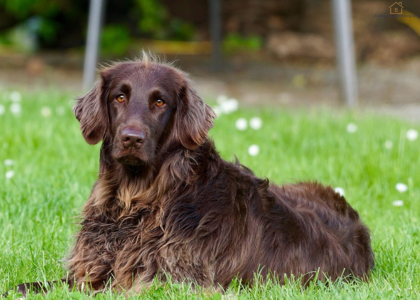
- Physical: By now, most small-to-medium dogs have reached adult height. Big breeds may still fill out muscle mass. Teething should be complete. They look like grown dogs
- Mental: Impulse control starts improving. They remember routines and cues much better, though a shocking cat or exciting rabbit can still distract them
- Emotional: Settling into personality. The confident, curious puppy you met might still have bursts of energy, but overall they’re calmer. The “teen rebellion” is fading
- Behavior: This is among the most crucial puppy behavior stages because it’s all about habit forming. Behaviors they’ve practiced become their default. If they learned sit and wait, they’ll likely do it well now. On the other hand, unchecked habits, like nipping or counter-surfing, may persist unless taught otherwise.
What’s Normal at This Stage
- High gear in play: Some 1-year-olds still play like pups. It’s fine as long as it’s under control
- Occasional forgetfulness: Even well-trained dogs can slip up if they’re super excited or tired
- Testing final boundaries: They might try one last big leap onto the bed or couch. Just calmly show them down or give a cue
- Calm and confidence: Most of the time they’ll seem more composed
- Health markers: Eating regularly, sleeping well, and growing into a sleek adult coat are signs they’re physically healthy
How You Should Respond
- Reinforce learned behaviors: If they practice what’s expected, for example, sit when guests arrive, leash-walk calmly, lavish praise or a treat. This cements good habits
- Advanced challenges: Try trick training, or sports like agility or nose work. Their brains need workout too
- Maintain routine: Don’t throw out the schedule. Regular exercise, meals, and rest keep a near-grown puppy balanced
- Independence time: Encourage them to lounge or play alone safely now and then to build confidence in being on their own
- Solidify social skills: Keep meeting friendly dogs and people occasionally. By now they should be pretty reliable, but continuing socialization prevents regression
- Final vet advice: If there are any lingering puppy issues, a vet or trainer can give a check-in to ensure nothing is overlooked.
What Not to Overreact To
- Minor lapses: A last-minute accident or light mouthing should be corrected gently, not dramatized
- Keenness: If they jump in excitement occasionally, downplay it by turning away briefly rather than yelling
- Other dogs playing rough: If they wrestle with a buddy and one growls, it’s not a fight. Pups learn bite inhibition this way
- Slow response sometimes: Even a nearly one-year-old may take a moment to obey if something more exciting is happening. Patience and practice fix this
- Food guards: Some dogs develop mild food guarding at this age. As long as it’s not serious, manage it by feeding from a distance and leaving the dog alone while he eats.
Common Mistakes During This Stage
- Letting bad habits stay: If jumping or counter-surfing never fully stopped, now is the time to reinforce it. Don’t assume “they should know by now.”
- Cutting back too soon: Sometimes owners think “1 year old = no more fence checks.” Still be vigilant if they had escape tendencies
- Overfeeding “because they’re bigger”: Growth slows now. Adjust food amounts so they stay fit
- Ignoring dental care: By 12 months, puppy breath should be gone. If it’s not, or teeth are misaligned, address it
- Skipping final shots or docs: Follow the vaccination schedule as recommended by the vet
Signs Your Puppy Is Developing Normally
As you go through the different puppy growth stages with your pet, how do you know you’re moving in the right direction? Here are some signs to watch out for:
- Gradual focus improvement: Each month you can capture their attention a bit longer during training. They’ll look at you more readily and respond consistently
- Adaptability to routine: They settle in at your regular wake-up, mealtimes, and bedtime. Sudden disruptions like a new piece of furniture bother them less over time
- Age-appropriate behavior shifts: You’ll see the expected milestones of puppy development by age such as teething drool at 3–6 mo, a bit of fear around loud noises at ~6 mo, budding independence near 8–10 mo
- Stable appetite and sleep: Even with growth spurts, they keep eating well and sleep deeply
- Social comfort: They gradually grow more confident meeting new dogs/people. Hesitation now is getting shorter
When to Get Extra Support
If the puppy development stages don’t track, or you see behavioral issues that seem too overwhelming, it’s okay to seek help. Here are some indicators that expert help is warranted:
- Veterinary consultation: If your puppy seems under the weather and showing signs like poor appetite, severe lethargy, limping, or not gaining weight, see a vet right away. Harmony Diers of TAMU stresses, “If a pup is not moving normally, not eating well, or is acting sick, they should visit their veterinarian immediately.”
- Trainer or behaviorist help: If your puppy’s behavior concerns like aggression, extreme fear, incessant barking/chewing persist beyond the normal timeframes above, a professional can offer solutions. For example, if a 4-month-old is still biting very hard after your best efforts, or if a 9-month-old is obsessively anxious, a certified trainer or veterinary behaviorist can guide you
- Puppy classes: If you missed early socialization, consider signing up for a vaccinated puppy socialization class. Well-run classes provide a safe environment to catch up on meeting new experiences
- Reading reputable resources: Leverage books or websites by respected trainers for stage-specific tips. But be cautious of outdated dominance theory
Final Takeaway
Each one of the puppy growth stages, from the wobbly newborn to the spunky adolescent , is temporary. How well you handle these puppy development stages determines what kind of adult dog you’re raising, so it’s important to approach the process with confidence. That confidence comes from knowledge. That’s what this guide on puppy development stages intends to serve. Use this to adjust your approach to puppy care, and you will set the stage of a healthy, good-natured dog with whom you share a wonderful lifelong bond.
FAQs
- Do all puppies go through the same stages?
Generally, yes, all puppies share broad developmental stages as their bodies and brains develop. However, the timing can vary by breed and individual. Small breeds often hit milestones a bit earlier than giant breeds. Each puppy’s personality plays a role too. A cautious pup may take longer to open up. Use these stages as a guideline, but remember your puppy is an individual.
- Is regression normal during development?
Absolutely. Dogs often have short periods of “forgetting” something they once knew. For example, a 3-month-old may forget potty training when teething hard, or a 9-month-old might temporarily stop obeying the “down” command if spooked. Your puppy’s brain is focusing on new changes, so they may drop old habits briefly. Just reinforce training consistently and calmly.
- When does puppy adolescence start?
Around 6 months of age is typically the start of adolescence in most dogs. Some smaller breeds might start at 5, and very large breeds around 7–8 months. This is when sexual maturity begins and independent “teenager” behaviors emerge. Adolescent challenges can last through roughly 12–18 months, depending on breed. During this time, your puppy will test boundaries and might seem extra stubborn, but it’s a natural step toward adulthood.
- How long do development stages last?
The main puppyhood stages cover roughly the first year of life, but there’s overlap. Here’s a quick guide:
- Neonatal/Transitional: 0–4 weeks. Eyes/ears opening, wobbly steps
- Socialization/Learning: 4–12 weeks. Walking, teething, bonding, initial training
- Juvenile: 3–6 months. Growing teeth, testing limits, first obedience success
- Adolescent: 6–12 or up to 18 months. Sexual maturity, high energy, skill refinement
By about one year, most dogs have settled into adult size and temperament, especially small breeds. Large breeds may continue filling out until 18–24 months.