Puppy Exercise by Age: What’s Safe, What to Avoid
If you’ve brought home a puppy recently, you’re likely already familiar with the chaos that ensues. Those frantic bursts of energy, the zoomies at midnight, the inability to sit still for longer than 30 seconds. It’s easy to assume that tiring your puppy out is the answer to mellowing them down. But here’s the thing: too much activity, especially the wrong kind, can actually cause lasting harm to a growing dog.
Puppy exercise by age is one of those topics that gets oversimplified a lot. The “5-minute rule” gets thrown around, so does generic guidance that doesn’t account for breed, build, or developmental stage. The truth is that what’s safe for a 10-month-old puppy is very different from what’s appropriate for a 3-month-old. And with my GSDs, I learned early on that not understanding puppy exercise needs by age doesn’t just lead to overstimulation, it can affect their joints and long-term mobility.
That’s why, I’ve put together this on how much exercise does a puppy need at different growth stages, what activities are appropriate, and what to avoid.
Puppy Exercise by Age — Quick Guide
- 2–3 months: Short, gentle play sessions only. No structured walks
- 4–5 months: Controlled walks and calm play. 10–20 minutes per session
- 6–9 months: Moderate walks, basic training, avoid high-impact activity
- 10–12 months: Building toward adult stamina, as per the breed
- At all stages: Avoid repetitive high-impact exercise during growth phases
- Mental stimulation counts and can replace some physical activity
Why Exercise Needs Change as Puppies Grow
Puppies are different from adult dogs, physically or physiologically. Their bones are actively growing, and the puppy growth plates—the soft areas of cartilage near the ends of long bones—don’t fully harden until anywhere between 12 and 24 months, depending on breed size. Until those plates close, they’re vulnerable. Repeated stress on them can cause deformities or early-onset joint issues.
Muscle development and coordination also lag behind energy levels, which is why puppies look like they’re running on borrowed legs half the time. Their bodies aren’t ready for the kind of sustained activity their enthusiasm might suggest. Overexertion during these formative months doesn’t just cause soreness, it can set the stage for conditions like hip dysplasia or osteochondrosis later in life. Not worth the risk.
Exercise at 2–3 Months
How Much Exercise Is Safe
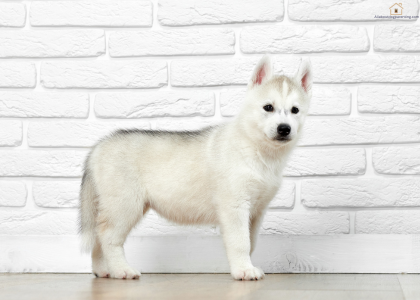
At this age, 5–10 minutes of activity at a stretch is more than enough. Multiple short sessions spread through the day are far better than one longer outing. Most of what passes for “exercise” at this stage is just play.
Safe Activities
Gentle indoor play is ideal. Let your puppy explore different floor textures, sniff around, bat at soft toys. Short, supervised interactions in the garden work well too. You can start brief leash exposure, not structured walks. Just get them used to wearing a collar and lead in a low-pressure setting.
What to Avoid
Long walks are out. Running, chasing, and anything that involves jumping off furniture or climbing stairs should be kept to a minimum or avoided altogether. These activities put stress on joints that aren’t remotely ready for it.
Signs of Overexertion
Heavy panting that doesn’t settle quickly, suddenly flopping down mid-play, or refusing to move are all signals to stop. At this age, puppies tire fast and they’re not great at self-regulating.
Exercise at 4–5 Months
How Much Exercise Is Safe
You can stretch sessions to 10–20 minutes now, with 2–3 sessions daily. The puppy is sturdier, more coordinated, and genuinely enjoying interactions. But the limit still matters. Knowing how much exercise does a puppy need at this stage is less about time and more about watching your dog’s cues.
Safe Activities
Short leash walks on flat, even ground work well. Controlled fetch, meaning a few throws, not a 30-minute session, is fine. Light tug games are great for engagement and bonding. Keep the intensity low and the sessions short.
What to Avoid
High jumps, long-distance jogging, and repetitive games like ball-chasing on a launcher are too much at this stage. These activities create repetitive impact loads on joints that are still developing.
Signs of Overexertion
Limping, even if it’s subtle, is your cue to stop all activity immediately. Excessive fatigue after mild play, or behavioral irritability such as snapping or refusing commands they normally follow, can also indicate they’ve been pushed too far.
Exercise at 6–7 Months
How Much Exercise Is Safe
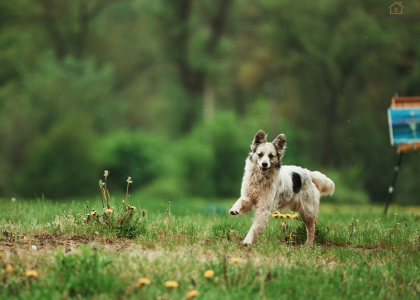
Sessions of 20–30 minutes are reasonable now, ideally with some structure to them. A mix of walking and free play, or a short training session followed by a walk, keeps things varied without overdoing it.
Safe Activities
Moderate walks on different terrain are good. Basic agility work involving low platforms, gentle weaves, simple obstacles can be introduced as long as impact is minimal. Mental stimulation games like hide-and-seek with toys or treat puzzles are excellent at this stage.
What to Avoid
Intense repetitive jumping is still off the table. Long runs on pavement or other hard surfaces are too taxing on developing joints. Rough, uncontrolled play with bigger or boisterous dogs can also be risky because it can be physically demanding for a pup that age.
Signs of Overexertion
Stiffness the morning after exercise is a red flag. Slower movement than usual, reduced appetite, or general lethargy suggest yesterday’s activity was too much.
Exercise at 8–9 Months
How Much Exercise Is Safe
Depending on breed, 30 or more minutes per session is generally fine. But it’s better to break it up into two structured outings rather than one long haul. Puppy exercise needs by age become increasingly breed-specific from this point on. A Border Collie at 8 months has very different needs from a Basset Hound.
Safe Activities
Longer walks, controlled off-leash play in safe, fenced areas, and swimming are all good options. Swimming is particularly valuable, as it builds muscle and cardiovascular fitness without any joint impact. I’ve always found it to be one of the better options for large breeds.
What to Avoid
Hard landings from height such as jumping off rocks, out of cars, off furniture and forced endurance activities are still risky. Don’t make your puppy “keep up” on runs or long hikes.
Signs of Overexertion
Persistent soreness, reluctance to get up from rest, or avoiding movement altogether signal that something’s off. Don’t brush off limping, even if it resolves quickly.
Exercise at 10–12 Months
How Much Exercise Is Safe
Most puppies are approaching adult stamina by this stage, but the timeline varies significantly by breed. Small breeds are often there by 10–12 months. Large and giant breeds, like my GSDs, can take 18–24 months to fully mature. Build endurance gradually rather than making sudden leaps in duration or intensity.
Safe Activities
Moderate hiking, jogging, if approved by the vet, and more advanced training games are all on the table. This is also a great time to introduce dog sports like scent work or obedience trials, which combine physical and mental exercise well.
What to Avoid
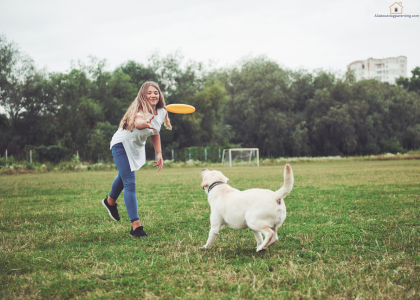
Sudden jumps in exercise intensity are where injuries happen. High-impact dog sports such as agility with full jumps, flyball, or Frisbee, should wait until growth plates have closed, which your vet can confirm via X-ray if you want to be certain.
Signs of Overexertion
Limping, joint sensitivity after activity, or behavioral withdrawal are all warning signs. At this age, puppies are sometimes willing to push past their limits to keep up with you, so you have to be the one keeping tabs.
Exercise vs. Mental Stimulation
Here’s something worth remembering: a mentally tired puppy is often just as calm as a physically tired one. Puzzle feeders, sniff mats, training sessions, and scent work all burn energy without putting stress on joints. On days when the weather is bad or your puppy seems sore, swapping a walk for a 10-minute training session is a perfectly reasonable call.
Common Exercise Mistakes by Age
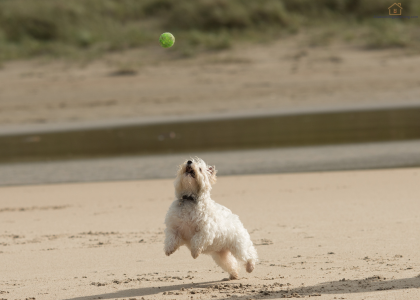
When you’re trying to figure out safe exercise for puppies, these are the common mistakes to steer clear of:
- Following the 5-minute rule too rigidly. The “5 minutes per month of age” guideline is a useful starting point, but it’s not gospel. A 5-month-old doing 25 continuous minutes on concrete is different from 25 minutes of gentle garden play. Context matters
- Comparing your puppy to an adult dog. I see this often. A neighbor’s adult Lab runs 5K every morning, so surely the puppy can too? No. Adult dogs have fully developed musculoskeletal systems. Puppies don’t
- Ignoring breed differences. A 6-month-old Greyhound and a 6-month-old Dachshund are not interchangeable. Large working breeds need more careful management of physical load during growth than smaller breeds that mature faster
- Using exercise to fix behavior problems. Exercise can reduce excess energy, but it doesn’t resolve anxiety, fear, or reactivity. If your puppy is acting out, burning them out physically won’t address the root issue
- Over-relying on dog parks. Dog parks mean uncontrolled play, unpredictable intensity, dogs of all sizes, and no way to manage how much your puppy is actually doing. Fine occasionally, but not a substitute for structured, age-appropriate activity
How Breed Size Affects Exercise Needs
Small breeds such as Beagles, Pugs, or Miniature Schnauzers, tend to reach skeletal maturity by 10–12 months. You can generally progress their activity faster.
Large and giant breeds like German Shepherds, Labradors, or Rottweilers grow for much longer, sometimes up to 24 months. Their growth plates close later, which means the window of vulnerability is longer.
Working breeds, regardless of size, typically need a combination of physical and mental outlets. A Border Collie who gets plenty of walks but no mental engagement will find ways to entertain themselves, usually at your furniture’s expense.
When to Consult a Vet About Exercise
Don’t wait to see if something “works itself out” if you notice:
- Limping that persists after rest
- Visible swelling around joints
- Extreme fatigue after minimal activity
- Consistent refusal to walk or move
These aren’t just signs of overexertion. They can indicate injury or an underlying condition. Your vet can help assess whether your puppy’s current activity level is appropriate for their breed and developmental stage, and adjust accordingly.
Final Takeaway
Puppy exercise by age isn’t a fixed formula. It’s a moving target that shifts as your dog grows. The biggest mistake I see new puppy parents make is doing too much, too soon, out of good intentions. Less is genuinely more during these early months. A puppy who’s allowed to grow at their own pace, with exercise that matches their development, tends to end up sounder, calmer, and healthier in the long run.
Progress gradually. Let your puppy’s body lead. And don’t underestimate what a good sniff session or a five-minute training game can do when physical exercise needs to take a back seat. If you’re looking for more age-specific guidance, explore the full puppy care guides on allaboutdogparenting.com.
FAQs
- Is the 5-minute rule accurate?
It’s a reasonable baseline but shouldn’t be applied mechanically. The rule, 5 minutes of exercise per month of age, twice daily, doesn’t account for intensity, surface type, or breed. Use it as a rough ceiling, not a goal.
- Can I run with my 6-month-old puppy?
Not really. At 6 months, growth plates are still open in most breeds. Short jogs on soft ground are less risky than pavement runs, but sustained running should wait until your vet confirms the plates have closed, typically between 12 and 18 months for medium to large breeds.
- Is jumping bad for puppies?
Repetitive or high-impact jumping, off furniture, out of cars, during fetch, puts significant stress on joints and growth plates. Occasional small jumps are unlikely to cause harm, but making it a regular part of exercise is risky until they’re fully grown.
- How do I know if my puppy is tired?
Puppies aren’t always great at stopping themselves. Watch for heavy panting, slowing down mid-play, lying down suddenly, or becoming irritable. These are cues to wrap up the session, not push through.