Puppy Growth Timeline (0–12 Months): What Changes and Why It Matters
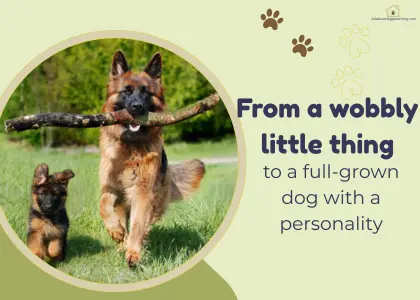
Puppies grow at an astonishing pace. With my German Shepherd pups, it almost felt like they went from tiny newborns to lanky teenagers overnight. In their first year puppies change in size, coordination, and even behavior. They undergo rapid growth early on, but these changes don’t happen uniformly. Genetics and breed play a big role. As AKC vet Dr. Jerry Klein explains, “A dog’s ultimate size is determined by genetics, which differs by breed.” This guide on puppy growth timeline focuses on the what and why of each phase in the puppy’s first year, so you know what’s normal and when to pay extra attention.
Puppy Growth Timeline — 0 to 12 Months at a Glance
- Huge early growth spurt: Puppyhood sees dogs experience rapid growth. The first few months are the most dynamic in puppy growth stages. Most puppies double their weight and shoot up fast
- Growth tapers by mid-year: After about 6–9 months, the rate slows down. Smaller breeds often finish growing by this point, while large breeds keep filling out longer
- Physical before mental: Puppies often reach near–adult size long before they think and behave like an adult. A one-year-old may look fully grown but still act like a goofy puppy for months more
- Realistic expectations: Knowing what to expect from puppy growth month-by-month helps you embrace normal puppy quirks and act if something feels out of place
How to Read This Timeline
Think of this puppy growth timeline as a general roadmap. Every puppy is unique. Even littermates can grow at different paces. The patterns below show general trends you’re likely to see, not exact dates when milestones will hit. Focus on the direction of change rather than the exact numbers. Also remember breed and genetics make a difference. A Chihuahua and a Great Dane share the same stages, but on very different schedules. Use these age ranges to understand what’s typical for puppy growth and to set realistic expectations.
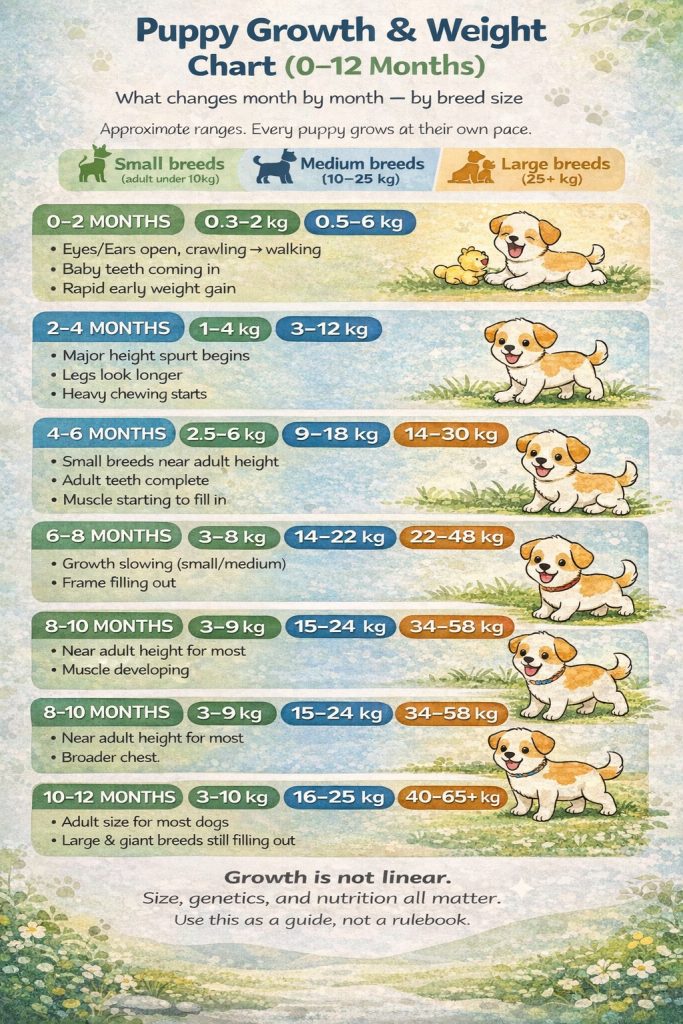
How Puppy Growth Works
Puppy growth by age isn’t a steady climb. It is a journey full of ups and downs. One week your pup might barely look bigger, the next they shoot up several inches. This uneven pattern happens because bones grow in spurts. Puppies are born with mostly cartilage skeletons that gradually ossify into bone. Their growth plates, areas of developing cartilage at bone ends, stay open to let the bones lengthen. As your puppy grows, their proportions change. For instance, you may notice that their legs stretch out first, making them look lanky or clumsy until muscles and balance catch up.
Dr Klein explains, “You might see your puppy tripping over their own feet, as if their body is moving faster than their brain during a growth spurt. This is normal, their nervous system is still synchronizing with their new size.
Since several systems are developing together, puppies require extra nutrients such as proteins, calcium, DHA, etc, to build muscle, brain, and bone. While they eat and play, muscle fibers and coordination improve.
It’s also important to distinguish physical growth from development. Physical growth means body size and strength. Development means learning, behavior and emotional maturity. These don’t happen on the same schedule. Your puppy may look like a full-grown dog before he’s mentally mature.
Puppy Growth at 0–8 Weeks
Physical Changes You’ll Notice
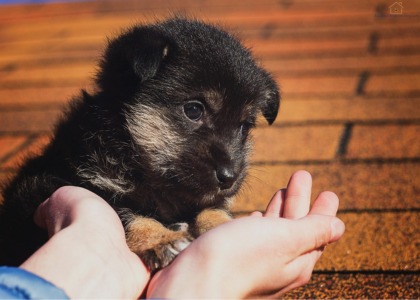
- Fast weight gain: Puppies often double their birth weight in about 1 week. Their growth rate in these early weeks is extremely high
- Sensory development: Born blind and deaf, most puppies open their eyes and start hearing around 2–3 weeks old. You’ll see their blue eyes open and they’ll react to light and sound
- Movement: At first they can only crawl, but by about 3–4 weeks most pups begin walking, running a bit, even wiggling their tails and making little barks or whimpers
- Sleep and energy: Newborns sleep or nurse almost constantly, roughly 90% of the time in the first 2 weeks, with only short bursts of activity like nursing or wobbling around
- Body proportion: Chubby bellies, short legs, and large heads, newborn puppies are very plump. They will start to lengthen and slim out later on
What’s Happening Internally
- Bone growth: The skeleton is mostly flexible cartilage, and growth plates in bones remain open. This lets the bones rapidly lengthen. These cartilage plates will harden as adult bone forms
- Organ and muscle development: Internal organs and muscles are forming quickly. Puppies need high-quality nutrition, usually mother’s milk, to build muscle and blood cells. As Texas A&M vet tech Harmony Diers notes, “Puppies need protein for muscles, DHA for the brain, and calcium/phosphorus for bones”
- Teeth: Baby teeth begin coming in around 3–6 weeks. These help the pup start nibbling food on their own
- Nervous system: Puppies’ brains and nerves are also maturing. Reflexes like righting themselves and responding to touch gradually improve in this stage
- Metabolism: Puppy metabolism is extremely high. Their energy is being used for growth more than for exercise, so they need frequent feeding
Why This Stage Matters
This is the most crucial stage of puppy growth by age. These first two months lay the groundwork for everything that follows. Your puppy’s basic motor skills, immune system, and temperament foundation form now. For example, if a puppy doesn’t nurse well or sleep enough, it might not get the nutrients needed for strong bones and immunity. Also, any injuries such as growth plate damage can have long-term consequences. Gentle handling and nutrition are key.
Common Growth Myths at This Stage
- Myth: “Small puppy = sick puppy.” Not necessarily. Size at birth and two months largely depends on breed and genetics
- Myth: “By 8 weeks, the puppy should be running wild.” Actually, very young pups still sleep 15–18 hours a day and only gradually become playful. It’s normal if your pup isn’t doing zoomies yet
- Myth: “All puppies grow at the same rate.” False, even within a breed there’s variation. One 2-week-old puppy might be more advanced in walking than its siblings, but soon the others can catch up
- Myth: “If a puppy doesn’t grow quickly, something’s wrong.” Puppies do grow fast, but short stalls can happen. However, you should monitor growth. Failing to gain weight as expected may indicate a problem
Puppy Growth at 2–3 Months
Physical Changes You’ll Notice
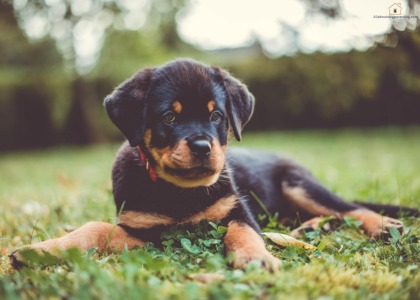
- Major growth spurt: Between 2 and 3 months, many puppies shoot up quickly, and puppy size changes are the most visible. Weight gain continues, and some breeds may look almost like little dogs in height
- Body proportion: Limbs get noticeably longer relative to the body. Puppies often look lanky or gangly. You might notice their puppy belly slimming as muscle tone increases
- Coordination: By 2–3 months most puppies can run, jump and play quite well. They transition from wobbly toddling to a fairly steady gate. However, they may still trip every now and then
- Teething: Puppy teeth are all in by now. They will soon start to wiggle loose as adult teeth prepare to replace them. Expect lots of chewing behavior, as your pup learns to use those new teeth!
- Energy: High energy in short bursts. It’s also common for them to get super sleepy after play, since growth burns energy. Make sure they get plenty of rest. Sleep supports muscle and brain development during this spurt
What’s Happening Internally
- Nutrition needs: By 6–8 weeks puppies transition fully onto solid puppy food. They 3-4 meals a day of high-calorie, nutrient-rich puppy diet to fuel their development
- Bone and muscle: Bones continue to lengthen and muscles strengthen. Growth plates are still very open
- Nervous system: Brain and nerves are wiring rapidly. This is an important socialization window for correct behavioral development. Your pup is absorbing new experiences at top speed
- Hormonal changes: Some very small breeds can enter puberty as early as 4–6 months, but generally sexual maturity is still a few months away
- Joint instability: During rapid growth, joints and ligaments can be looser than in adults. That’s part of why they can be so bendy and flexible right now
Why This Stage Matters
This is when your puppy starts to look less like a baby and more like a young dog. Their increased coordination means they can play harder and explore more, building muscle and stamina. It’s also when nutrition is crucial. The diet they get now influences bone density and strength for life. Because growth is so intense, keep up on balanced meals and gentle exercise. If they seem hungrier, it’s usually normal, it means they need those extra calories to power the growth spurt. This stage also sets patterns for training and behavior.
Common Growth Myths at This Stage
- Myth: “By 3 months, my puppy should be full-grown or close to it.” Not true except for some toy breeds. Dr. Klein notes, “Breed genetics determine size. Many medium and large pups have far more growing to do.”
- Myth: “If my puppy eats and eats, it will become a gigantic dog.” Diet contributes to health but only according to genetics. Overfeeding can harm joints, but it won’t make a Chihuahua grow into a Great Dane
- Myth: “My clumsy 3-month-old is just lazy.” Actually, pups often get shaky as their legs lengthen. A brief wobbly phase is normal
- Myth: “After 3 months, my puppy should calm down.” On the contrary, 2–3 months old are full of energy. It’s perfectly normal if they race around like maniacs sometimes. Those energy bursts are how they burn off energy and grow strong
Puppy Growth at 4–5 Months
Physical Changes You’ll Notice
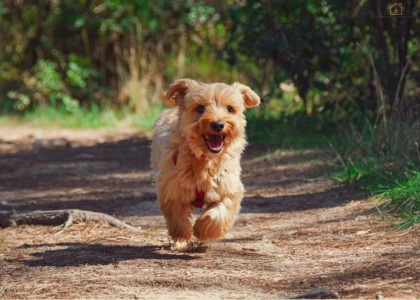
- Continued growth spurt: Puppies are still growing fast. By 5 months many medium-sized breeds have gained most of their height, but big-breed pups often still look long and lean
- Body changes: The puppy “awkward phase” is in full swing. Expect a very leggy, narrow-bodied look. They may have a puppy potbelly plus surprisingly long limbs
- Muscle development: As coordination improves, muscles start to fill in. Shoulders and thighs get stronger. Your puppy will look a bit more muscular each week
- Energy bursts: The FRAP (frenetic random activity period) can peak now. Puppies will occasionally run and tumble wildly. After these bursts, they may crash and need naps
- Teething finished: All baby teeth are usually loose or gone by 5 months as adult teeth come in. Chewing continues strong for comfort and jaw exercise
What’s Happening Internally
- Bone and joints: Growth plates are still open but slowly narrowing, especially in smaller breeds. Bones are getting stronger but remain more flexible than adults’. It’s still wise to be gentle with play
- Hormones: Larger dogs are approaching puberty. You might notice a male starting to lift his leg to pee, or a female showing early signs of a first heat
- Nervous system: Brain development continues. Pups are learning fast but still have puppy impulses. They may suddenly stop listening if a squirrel dashes by
- Nutrition: Growth is still rapid, so high-calorie puppy food is important. Snacks and supplements are usually unnecessary if they’re on a balanced diet
Why This Stage Matters
This phase of puppy growth by age often feels like “adolescence” setting in. Your puppy is stronger and more active, meaning you can introduce new activities like gentle running, larger play areas, or advanced puppy classes. It’s also a time of big behavior changes such as chewing, nipping, or fear/reactivity can appear as they test boundaries. Physically, the skeleton is still developing. Too much high-impact exercise or jumping from furniture can strain soft bones and joints. Be patient with training intensity. This is one of the crucial puppy growth stages that builds the framework of muscles and bones, and that foundation will carry your dog for life, so treating it with care pays off later.
Common Growth Myths at This Stage
- Myth: “If my puppy looks tall and lean now, he’s done growing.” Not necessarily. Many pups suddenly shoot up around 3–5 months, but then “fill out” later. It’s normal for a 5-month-old to still add weight and muscle after this period
- Myth: “If a puppy is clumsy at 5 months, something’s wrong.” Actually, an awkward phase is normal. Growing pups often trip over their own feet. The wobbliness usually smooths out as coordination catches up
- Myth: “My puppy should be calmer by 4 months.” Nope, 4–5 month pups can be very energetic and a bit defiant. Don’t expect maturity yet
- Myth: “Eating a lot means aggressive growth.” A healthy appetite is good, but genetics still call the shots. One puppy might eat hugely and stay slim, another might be pudgy
Puppy Growth at 6–7 Months
Physical Changes You’ll Notice
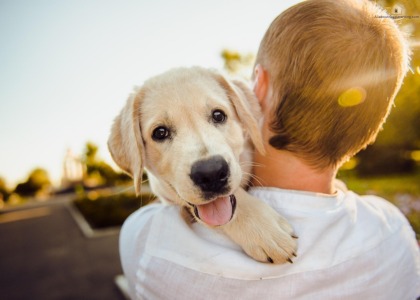
- Slower growth rate: The frantic puppy size changes of early puppyhood starts to slow. By 6–7 months, many small and medium dogs reach over 75–80% of their adult height. Large breeds often still have more filling-out to do
- Filling out: While height growth slows, dogs thicken. Chest and shoulder girth increase, and muscle mass builds. Your pup should start looking more “filled out” and stocky compared to the lanky toddler look of before
- Adult teeth done: All adult teeth are in by 6–7 months. The puppy will have a solid bite now, and chewing behavior usually decreases as mouth discomfort passes
- Energy: Still high, often peaking around this age. Your dog can go longer and farther with walks or play
- Coordination: Very good. Most puppies now run and jump almost like adults. They have better balance and endurance, though sudden turns or stops may still surprise them
What’s Happening Internally
- Hormonal changes: Many dogs reach sexual maturity around now
- Bones and joints: Growth plates are beginning to close in smaller breeds. In large and giant breeds, they’re still open but narrowing. The skeletal structure is solidifying into the dog’s final shape
- Muscles: Continuing to build. Dogs now need adequate protein to support strong muscle development
- Metabolism: Slightly slower than a tiny puppy, but still higher than an adult. Growth demands fewer calories than before, but proper nutrition remains crucial
Why This Stage Matters
At this point, your puppy is becoming a young adult. They have more strength and can handle more exercise than before, but caution is still key. Dr. Klein warns against long runs or high-impact activities until at least 14–18 months, because immature joints can be harmed. Short brisk walks on soft ground are ideal. This stage also solidifies habits. Good behavior patterns such as leash walking and obedience will carry into adulthood. It’s also a time for health checks and nutrition adjustments as growth slows. Many vets switch larger puppies off calorie-dense puppy food around this age. Overall, 6–7 months is a bridge: most rapid growth is past, but development continues.
Common Growth Myths at This Stage
- Myth: “My 6-month-old should be half-normal size and that’s it.” Growth isn’t linear or that predictable. Small breeds often are nearly adult height by now, but large breeds may still grow many more inches
- Myth: “Now that puberty’s around, my dog should calm down.” Not exactly. In fact, hormone changes can temporarily increase distractibility or moodiness. Continue consistent training and routines
- Myth: “If the puppy’s growth rate isn’t obvious now, something’s wrong.” Some puppies grow in small increments at this age. However, vets stress regular monitoring. If your pup suddenly plateaus in weight or activity, it could signal a problem
- Myth: “This stage has no more surprises.” Actually, 6–7 months can bring unexpected leaps. Each dog’s timeline is its own
Puppy Growth at 8–9 Months
Physical Changes You’ll Notice
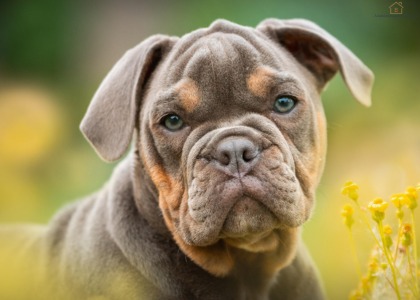
- Near adult height: By 8–9 months many small and medium breeds have reached essentially full height. Larger breeds are close as well
- Body filling: Puppies now look more proportionate. Their chest is broader, hips and legs more muscular. A pup that seemed all legs at 6 months will have started to fill in by 9 months
- Energy: Generally a bit steadier. Some pups may calm slightly as growth slows, though playful antics are still common
- Coat changes: Many puppies are shedding their fluffy baby coat and growing in their adult fur. Expect some furry transitions here
What’s Happening Internally
- Skeletal completion: Growth plates in many dogs will begin to fully close soon after 9 months, especially in smaller breeds. The bones have reached close to their final length
- Hormones: Sexual maturity is likely achieved. Their bodies are now biologically adult.
- Metabolism: Caloric needs may level off. If not already on adult food, discuss transition timing with your vet
- Muscle development: Still happening. Many dogs continue to “fill out” well into the second year. You might notice your pup broadening shoulders or strengthening leaps with each month
Why This Stage Matters
Your puppy is nearly full-grown now, but subtle changes continue. Activity-wise, you can usually treat them almost like an adult dog. Longer walks and more robust play are fine, especially for small to medium breeds. However, be mindful that even though they look mature, their skeletons finish locking into place around this time. Proper nutrition and avoiding obesity are crucial, as extra weight can stress immature joints. Mentally, this is often a calmer period than the earlier “teenage” months, but some behavioral growth spurts like a second fear phase or renewed independence testing can happen. So keep training consistent.
Common Growth Myths at This Stage
- Myth: “At 9 months my puppy will behave like an adult dog.” Not necessarily. Many 9-month-old dogs are only starting to mature mentally. It’s common for a dog to still exhibit puppy play and energy well into year two
- Myth: “Now that my puppy is tall, it’s done growing.” While height may be nearly there for many breeds, weight and muscle often continue. For instance, large breed dogs frequently continue adding bulk and filling out their frame for months after 9 months
- Myth: “No more puppy issues after this.” Watch for subtle changes. Some dogs hit a last bit of “puppy clumsiness” as their final growth plates close, or temporarily regress in housetraining during hormonal shifts. It’s a smaller stage of growth, but not trouble-free
Puppy Growth at 10–12 Months
Physical Changes You’ll Notice
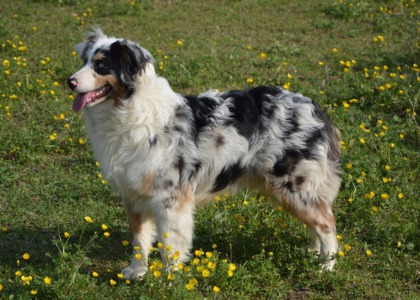
- Adult size for many: By 12 months, most small and medium breeds are at adult height and weight. Your pup likely doesn’t look much bigger than today beyond minor filling in. Large breeds may still have a little way to go, but the major growth spurts are over
- Adult coat: The transition to adult fur is often complete, so your dog’s coat looks and feels like the grown-up version
- Energy levels: Many dogs start to exhibit a steadier energy level. They may still have bursts of excitement, but usually have longer attention spans and endurance for exercise
- Physical stamina: Expect good endurance. Your dog’s lungs and heart are mature, so they can handle longer runs or play sessions appropriate for their breed
What’s Happening Internally
- Skeletal maturity: Growth plates have typically closed in small/medium dogs. Large/giant may close soon after 12 months. Bone growth is essentially finished
- Full muscle development: Over the next year your dog will likely fill out in muscle and body shape. The “puppy waddle” will evolve into a confident gait and posture
- Brain still growing: Remember, mental development continues. Even though the puppy stage is ending, brain wiring and life experiences will keep shaping behavior beyond 12 months
- Nutrition: Most dogs switch to adult dog food around 1 year. Caloric needs stabilize
Why This Stage Matters
The first year’s whirlwind of changes is winding down, but the lessons learned still shape the adult. Your dog’s adult body is mostly in place, so injuries or illnesses from now on are easier to spot against the normal. Keep reinforcing training and healthy habits. You can now also safely introduce fully adult-level activities like longer hikes or advanced sports appropriate for your dog’s breed. Mentally, patience is key. Many dogs still act like puppies well after their first birthday.
Common Growth Myths at This Stage
- Myth: “Once they turn one, they don’t need puppy food or breaks.” In reality, especially for large breeds, many vets recommend staying on puppy formula until 18–24 months to support joint development
- Myth: “Now that they’re full-sized, they won’t act like puppies anymore.” False. Dogs up to 2–3 years old can still have puppy energy and playfulness. A one-year-old dog might be physically mature but still mentally a youngster
- Myth: “By one year, my dog should finally be calm.” Some do calm down, but many young adult dogs are still very playful and may test limits occasionally. A little patience goes a long way.
Growth vs Development
It’s worth clarifying: growth refers to physical changes such as size, shape, and strength whereas development refers to mental, emotional, and skill changes. Puppies often reach physical growth much sooner than the mental maturity. That’s why you might have a one-year-old German Shepherd who is taller than you, yet still learns tricks or bounds around like a puppy. The takeaway? Don’t judge your dog’s maturity purely by how big it is. Celebrate the growth milestones, but be prepared for development to keep catching up slowly.
When Growth Patterns May Need Attention
Always use this timeline as a general guide, not a diagnostic tool. However, there are a few signs you should discuss with your vet. For example, if your puppy suddenly stalls in growth or loses weight, that could indicate a problem. Likewise, if you notice anything worrisome, like limping, fatigue, poor appetite, or other health issues, don’t ignore it. Dr Klein emphasizes, “If a puppy is not moving normally, not eating well, or is acting sick, they should visit their veterinarian immediately to catch any issues early.” This isn’t meant to alarm you, just to encourage observation. Most of the time, variations in growth are normal. But staying aware and checking with your vet when in doubt ensures any real issues are addressed promptly.
Final Takeaway
Puppy growth is fascinating. Fastest in the first months and then tapering off as adulthood approaches. Understanding this 0–12 month growth timeline helps you set realistic expectations. With this knowledge, you’re better equipped to provide the right nutrition, exercise, and encouragement at each stage. Enjoy watching your puppy grow and know that the wild rollercoaster of changes, while sometimes challenging, is all part of developing a healthy adult dog.
FAQs
- Do all puppies grow at the same speed?
No, growth rate varies widely by breed and individual genetics. Small breeds tend to grow very quickly and finish by about 6–8 months, while large and giant breeds can take 12–24 months to fill out. Even within a litter, one puppy may surge ahead while its sibling takes longer. Factors like nutrition and health also play roles. In short, expect variation. No two dogs necessarily grow at identical rates.
- When do puppies stop growing?
It depends on the breed. In general, tiny and small breeds often reach their full height by 6–10 months, and medium breeds by about one year. Large breeds usually keep getting taller and heavier through 12–18 months, and very large breeds like Great Danes, Mastiffs, may not finish until around 2 years. Keep in mind dogs can still gain muscle and weight after height stops, so “fully grown” is a gradual process.
- Is uneven growth normal?
Yes, puppies often grow in spurts, so one month they may barely seem bigger and the next they’ve shot up. This can make them look uneven. For example, very long legs with a smaller body. It’s normal for puppies to go through a clumsy phase during growth. In fact, it’s been noted that growing pups may trip over their own feet as their body is moving faster than their brain. Loose growth plates and flexible joints also contribute to this wobbly stage. Of course, sudden or lopsided changes, like a limp or one leg not bearing weight, should be checked by a vet. But generally, a puppy looking a bit gangly or uncoordinated during a growth spurt is perfectly normal.
- Why does my puppy look awkward during growth spurts?
As puppies grow, their bones can lengthen faster than muscles and coordination develop. This leads to an awkward, “giraffe-legged” look for a while. Puppies often have temporary joint instability during growth spurts, making them surprisingly flexible but unsteady. Coupled with rapidly changing proportions, this can make them trip, slip, or seem downright spastic. It’s a normal part of growing up. Eventually their muscles and brain catch up, and the awkwardness fades. So keep supporting them with patient training and the right nutrition, and allow for plenty of play and rest. Those gangly legs will turn into sleek strength before you know it.