Puppy Sleep Schedule by Age: What’s Normal and What to Fix
Watching your pup snooze away for the better part of the day (I’m talking up to 18 hours or more), can leave you wondering, “Seriously, how much do puppies sleep?” After all, you probably imagined lots of play time and activities when you brought your furball home and here they are sleeping like their life depends on it. Well, sleeping for most of the day and night is actually pretty common for young pups.
And their sleep needs change dramatically month by month. In this guide, I’ve broken down puppy sleep schedule by age, touching upon how much sleep is normal at each stage, what typical behaviors to expect, and how to fix things if your pup’s sleep seems off-track.
TL;DR: Puppy Sleep Schedule by Age — Quick Guide
- 2–3 months: 18–20 hours daily
- 4–5 months: 14–16 hours
- 6–9 months: 12–14 hours
- 10–12 months: 10–12 hours
- Sudden sleep changes often link to growth spurts or routine shifts. They’re normal but keep an eye on them.
Why Puppies Sleep So Much
Puppies grow at warp speed, so their bodies and brains work overtime. Their brains are storing new experiences and building memories, and they need a lot of downtime to process it all. In fact, during sleep a puppy’s body does crucial work on tissue repair and memory consolidation. After a big burst of play or learning, it’s totally normal for a puppy to suddenly crash and nap. Think of those extra-long naps as built-in recovery sessions for all that growth. Interrupting this sleep can actually cause stress, irritability, or even behavior issues.
Puppy Sleep at 2–3 Months
How Much Sleep Is Normal
How much do puppies sleep? The answer is: a LOT, especially at 2–3 months. At this stage, puppies need about 18–20 hours of sleep each day. Little puppies typically stay awake only 4–6 hours total, and these awake spells are usually broken into short play/eat sessions.
What’s Normal
- Night-time potty breaks: Most pups this age will wake 1–2 times at night to pee. Expect a late-night potty run or two
- Mid-play naps: It’s completely normal for a puppy to lie down and doze off right in the middle of play or chewing a toy
- Early bedtimes: Pups at this age often nod off early. A bedtime of 7–8pm isn’t unusual
What to Fix
- Overtired “zoomies”: If you see your puppy suddenly bouncing off the walls or having a late-evening tantrum, it could be a sign of exhaustion or being overstimulated. Try an earlier, consistent bedtime, allowing them an hour to wind down by tapering off activity
- Inconsistent bedtime: Puppies thrive on routine. If bedtime drifts every night, their little internal clocks get confused. Be consistent in establishing puppy sleep routine
- Overstimulation before sleep: Rough wrestling or super-exciting play right before bed can make winding down hard. Tone it down an hour before bed. Reducing excitement lets your pup settle naturally
What Not to Expect Yet
- Sleeping through the night: Pups so young simply can’t do a full 8–10 hour stretch without a bathroom break. True “sleeping through the night” without a single wakening usually comes at around 4 months of age
- Long awake periods: Your pup won’t play for hours at a time yet. They’ll need a nap after just being awake for an hour or two, and if that nap is missed, expect chaos
Puppy Sleep at 4–5 Months

How Much Sleep Is Normal
Puppy sleep by age steadily reduces and by 4–5 months, many start settling into roughly 14–16 hours of sleep per day. Nighttime sleep stretches out, and daytime naps, though still needed, are fewer and shorter. Think of this stage as your pup transitioning: less total sleep than before, but still far more than adult dogs.
What’s Normal
- Occasional regressions: Around 4–5 months, you may notice some puppy sleep regression as growth spurts and teething disrupt sleep patterns briefly. Expect more whining or have extra wake-ups. It usually passes as the discomfort eases
- Slight bedtime resistance: Four-month-olds often start wanting more independence. Your puppy may suddenly protest bedtime before finally crashing. A bit of stall is normal as they test boundaries. It’s part of growing up
What to Fix
- Irregular naps: If your puppy’s naps are all over the place, work on establishing a puppy sleep routine. A short leash walk or quiet petting can help cue “nap time.”
- Too much late play: Vigorous play right before bed may make it hard for your puppy to wind down. Aim to finish playtime at least 1–2 hours before bedtime
- Crate discomfort: At 4–5 months, puppies are growing fast. If you notice that your pup is suddenly fussy about the crate, check that the crate is still the right size and comfortable
What Not to Expect Yet
- A perfect routine every night: Even at this stage, don’t expect things to always go smoothly. Minor setbacks like extra barking or refusal to go in the crate once in a while are common growing pains
- Zero teething troubles: Losing baby teeth and teething can cause a brief puppy sleep regression. Until all adult teeth are in, a little discomfort at night is normal
Puppy Sleep at 6–7 Months
How Much Sleep Is Normal
When you look at the puppy sleep schedule by age, it’s in early adolescence that you notice a significant dip. At 6-7 months, your puppy will likely be down to about 12–14 hours of sleep per day. At this stage, nighttime sleep remains solid but daytime naps become much shorter.
What’s Normal
- Adolescent restlessness: Puberty can make puppies a bit more alert and energetic, which sometimes shows up as nighttime restlessness
- Growing awareness: Your puppy’s mind is maturing. He may wake up more to noises or just be more eager during our daily routine
What to Fix
- Excess energy before bed: Even if your pup sleeps longer now, they still need a good pre-bed chill-out. If you notice hyperactivity in the evening, add a bit more exercise earlier in the day. A tired puppy sleeps better
- Lack of mental stimulation: Young adolescent dogs can get restless if they are not mentally stimulated enough. If your puppy starts being noisy or pacing late, incorporate puzzle toys or simple training sessions in the evening
- Separation anxiety at night: Around this age, some pups start to mind being alone more. If your puppy is whining at bedtime, consider moving the crate closer to family for a bit, or use a snuggle toy. The goal is to reassure your puppy that night is still safe, without rewarding the noise
What Not to Expect Yet
- Full adult calm: Don’t expect your 6–7 month old to have the unshakeable calm of a 3-year-old dog. Adolescents go through ups and downs. Your pup may still have spurts of puppy silliness or bursts of energy for another few months
- Zero boredom at night: Even now, your puppy might cry if he’s truly bored or anxious. If he does fuss more than a gentle whine, check that he’s gotten enough exercise today and maybe consider a snuggle or chew to soothe him
Puppy Sleep at 8–9 Months
How Much Sleep Is Normal
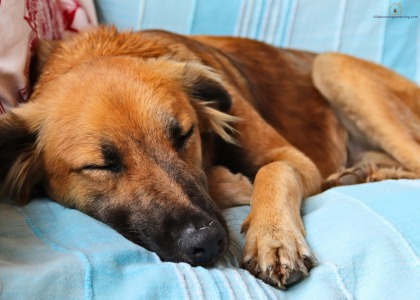
By 8–9 months, most puppies average around 12 hours of sleep in a 24-hour period. Their night sleep is usually solid, often 7–10 hours straight, and daytime nap drop to maybe one or two short snoozes.
What’s Normal
- Mood swings: Many owners notice teens can be moody or unpredictable. Your pup might be mellow one hour and bouncing the next. Often this is just hormonal imbalance, similar to a human teenager, rather than a true sleep problem
- Occasional sleep regression: Some puppy sleep regression is still possible. If something stressful or new happens, a vet visit, a change in routine, your puppy might have a night or two of disrupted sleep. Provide consistency and calm during this time
What to Fix
- Late-night excitement: If your teen pup starts “playing” at bedtime, like barking in the crate, chewing toys, they might be bored or anxious. Make sure to end the day with a quiet routine to help them settle down
- Inconsistent routine: As puppies age, we sometimes get lazy with routine. But suddenly skipping the afternoon rest can backfire. Keep to a daily schedule even if you think your pup might skip that nap
- Overfeeding or tummy issues: At this age, digestion can disrupt sleep more than anything. Large meals right before bed might cause tummy aches or buzzes overnight. Try feeding dinner a few hours before bedtime. If stomach problems persist, talk to your vet
- Too much screen-time: Yes, I mean TV or phone noises! Puppies can be tuned into family activity. A lot of noise or flickering lights from a late-night TV could keep your pup alert. Try to minimize screens or activity at bedtime
What Not to Expect Yet
- Complete independence: Even by 9 months, your “near-adult” puppy still needs your guidance. Don’t expect perfect, quiet nights every night. Some dependency, like not wanting to be left alone, can still happen
- Instant adult sleep habits: Large breed dogs often don’t fully settle down until 12–18 months. So especially if you have a GSD or Lab, remember your “puppy” is still growing. An occasional burst of puppy energy or difficulty relaxing even at this late stage is normal
Puppy Sleep at 10–12 Months
How Much Sleep Is Normal
How much do puppies sleep once they hit the 10–12 month mark? Very close to adult sleep patterns of about 10–12 hours a day. Night sleep is stable by now and daytime naps are usually just one short afternoon rest or optional snooze. If your pup is still napping much or waking often, you may want to look into whether they’re getting enough exercise
What’s Normal
- High-energy evenings: Some dogs get a little “second wind” in the evening even as adults. If you find your puppy suddenly gets playful around 7–8pm, it could be just a natural energy spike. A bit more daytime exercise or a longer evening walk can help
- Daytime dozing: By now, most puppies are happy dozing on your lap or rug for a few minutes each afternoon. Needing a short power nap after a long day is normal even in adult dogs. Just ensure it’s predictable and not constant lollygagging
What to Fix
- Too little exercise: A 10-month-old still needs plenty of physical activity. If sleep seems sluggish or your pup is up and barking for attention, he may be bored. Make sure he’s walked or played at least twice a day
- Overfeeding before bed: Heavy meals can rumble through the night. Try feeding dinner about 3–4 hours before bedtime
- Evening screen noise: If your TV or phone is on late, it could be stirring your pup. Consider crate covering or moving the crate to a less active room
What Not to Expect Yet
- Instant full maturity: Even at 1 year, many dogs, especially larger breeds, are still kind of puppies mentally. Don’t expect perfection. If your pet still occasionally protests bedtime or wants a late-night snack, cut him some slack. Most dogs only truly mellow out by 1.5–2 years.
Puppy Sleep Regression: What It Means

You might have heard the term “puppy sleep regression”. It refers to a temporary shift in sleep pattern. Often an increase in wakefulness or restlessness that happens at certain ages. Common causes include growth spurts, especially teething around 4–6 months, fear periods at the 3-month and 6–12 month “fear windows”, and routine changes like a new house guest or change in schedule.
If your puppy briefly starts waking more at night, it’s usually just a phase. Try to stay calm and consistent. These phases tend to pass in days or weeks. Keep routines such as bedtime, potty-breaks, and meals, as regular as possible, and hold off on major changes. With patience and consistency, your pup will resume normal sleep.
How to Create a Healthy Puppy Sleep Routine
Creating a predictable sleep routine helps tame those puppy jitters. Here are some practical tips:
- Consistent Bedtime: Pick a bedtime and stick to it every night. Dogs thrive on predictability. Have a calm, clear signal. Say “bedtime,” turn out lights, and quietly put your puppy in her crate. Over time he’ll learn when bedtime is
- Calm Wind-Down: About 30–60 minutes before bed, shift to quiet activities. A final potty walk, then, give your puppy a chance to chew a toy or lie down calmly. Avoid games that get your pet excited. A gentle play or cuddle before bed and then act like you’re going to sleep
- Cozy Sleep Environment: Make the crate or bed inviting and quiet. A properly sized crate with washable bedding, placed in a quiet corner or dark room is conducive to sleep. Also, make sure to check the temperature. It should neither be too cold nor overheated
- Daily Exercise Timing: Aim to do most of the vigorous exercise earlier in the day or early evening. That way your pup is physically tired by bedtime. In the hour before bed, opt for calm activities like a leisurely walk, gentle grooming, or “sniff” games
- Avoid Late Meals: Don’t feed heavy meals right before bed. Give dinner at least 3–4 hours before sleep, then do a last potty trip. This ensures digestion and bathroom needs don’t interrupt sleep
Signs Sleep Is Healthy

How can you tell if your puppy is getting good sleep? Watch for these signs:
- Smooth bedtimes: Your pup lies down easily after play and sniffs around, not pacing or whining for long. A sleepy puppy will go to her bed or crate without major fuss, especially after the bedtime cues
- Bright mornings: When your puppy wakes, she stretches, yawns, maybe happily wags her tail, and seems ready to greet the day.Consistent energy after sleep means it was restorative
- Predictable naps: A healthy sleeper takes predictable naps. If your puppy reliably naps after certain activities, like after eating or a walk, it shows a solid rhythm
- Minimal night fuss: Of course, a little whining at 6 am “potty time” is normal, but if your puppy mostly sleeps until normal wake-up time, it’s a sign their sleep schedule is on track. Excessive crying, scratching, or hyper behavior in the middle of the night indicate sleep issues
When to Consult a Vet

Puppy sleep schedule by age isn’t set in stone. Some developmental quirks are to be expected. However, if you see the following signs, it warrants a consultation with the vet:
- Extreme lethargy or floppiness: If your puppy is sleeping way more than usual, or seems unusually weak or unwilling to wake up even for food or bathroom, that’s a red flag. Puppies sleep a lot, but they should still perk up when you engage them.
- Refusing to wake: If your normally alert pup seems almost comatose or refuses to wake when you try, contact your vet
- Excessive nighttime distress: Crying is nonstop for hours, inconsolably barking in panic means your pup could be dealing with pain, anxiety, or another issue that needs to be addressed
- Sudden dramatic changes: If sleeping patterns dramatically shift overnight and it persists for several days without obvious reason, get professional advice. There could be a medical reason, like an infection, digestive issue, or pain, driving this change
Conclusion
Puppy sleep needs change a lot from month to month. In the first few months, expect a lot of dozing, with gradual tapering toward adult norms by one year. Most sleep “issues” in puppies turn out to be just developmental phases such as growth spurts, teething, or those normal fear periods can shake things up temporarily. What’s most important is pattern and progress. Keep monitoring how your puppy sleeps: note nap timing, wake-up energy, and any big shifts. Often a small change, like a more regular bedtime, less evening excitement, or adjusting meal time, will get sleep back on track.
FAQs
- Is it normal for puppies to sleep all day?
Yes, young puppies, under 3 months, do often seem to nap all day long. It’s normal for them to sleep 18–20 hours in a 24-hour period. They’ll be awake briefly for play, training, and potty breaks, then crash again. Just ensure their awake times include play and feeding; if they’re lethargic even when awake, check with your vet
- Why does my puppy wake up at 3 AM?
Usually it’s just a tiny bladder or early-morning potty instinct. At 2–3 months especially, puppies often need a bathroom break during the night. Make sure to take them out, then give a reassuring cue like “good dog” and return them calmly to bed. Over time, they’ll need fewer of these early-morning breaks.
- Should I wake my puppy from naps?
Generally, no unless you have to. Puppies need lots of naps for growth. If your puppy is napping at a good time, let them sleep. You can guide nap times, but waking a happily napping puppy usually just makes them grumpy or confused. Only wake them if you need them awake for a schedule, like a meal or an outing, or if a nap is dangerously long
- When do puppies start sleeping through the night?
It varies by pup, but many start sleeping 8 straight hours by around 4–6 months. According to experts, puppies older than 16 weeks often won’t bother you at night, meaning they hold their bladder and don’t need frequent outings. Smaller breeds or super-active puppies might still wake early, so continue the bedtime potty and calm routine until they consistently sleep through