Puppy Vaccination Schedule by Age: What’s Needed and When
New puppy parents tend to get a lot of conflicting advice about vaccines—which ones are essential to when to start, and how many rounds are actually needed. It’s a lot to take in, especially in those first overwhelmed weeks. But here’s what I’ve learned from years of raising GSDs: the timing isn’t arbitrary. The puppy vaccination schedule by age is structured around your puppy’s developing immune system, and getting it right in that first year sets the foundation for your dog’s long-term health.
This guide offers clarity of every knitty-gritty of puppy vaccination, right from which vaccines are needed, when they’ll actually work, how many booster doses are required to build lasting protection, and what to watch for along the way.
One note before we begin: schedules vary slightly depending on where you live and your vet’s recommendations. What’s outlined here reflects standard guidelines. Your vet may adapt schedules to your puppy’s specific situation.
Puppy Vaccine Schedule — Quick Timeline
- 6–8 weeks: First core vaccines — DHPP series begins
- 10–12 weeks: DHPP booster; possible non-core vaccines (Bordetella, Leptospirosis)
- 14–16 weeks: Final DHPP booster, Rabies vaccine
- 12 months: First annual boosters for core vaccines and rabies
- Ongoing: Core vaccines every 1–3 years. Non-core vaccines based on lifestyle
- Non-core vaccines depend on environment, exposure, and risk factors
Why Puppies Need Vaccines Early
Puppies aren’t born with a fully functioning immune system. In those first weeks of life, they rely on antibodies passed through their mother’s colostrum (the first milk) for protection against disease. But that maternal immunity doesn’t last.
As veterinarian Tammy Hunter, DVM, explains, “If a puppy receives a vaccination before the maternal antibodies are gone, the vaccination is blocked, and no immunity develops.” The challenge is that no one can tell exactly when those antibodies fade in a given puppy. It varies by litter, and even within a litter. So instead of waiting and leaving a window open, vets give vaccines in a series, spaced a few weeks apart, to make sure at least one dose lands when the immune system can actually respond to it.
This is also why the timing between doses matters. Miss a window or wait too long between boosters, and your puppy may need to restart the series entirely. The diseases these vaccines protect against, such as parvovirus, distemper, adenovirus, and rabies, can spread through contact with infected feces, saliva, or contaminated surfaces. So, delaying vaccination isn’t a smart move by any measure.
Vaccines at 6–8 Weeks
Core Vaccines Typically Given
The DHPP, also written as DA2PP, combination vaccine is given at this first visit. It covers Distemper, Adenovirus (Hepatitis), Parvovirus, and Parainfluenza in a single shot. These are the core vaccines for puppies and are recommended for every dog, regardless of lifestyle or location.
Why This Stage Matters
At 6–8 weeks, maternal antibodies are beginning to wane. As Hunter puts it, “Maternal antibodies are generally low or depleted by 8 weeks, so we start there.” Though they may persist longer, which is precisely why follow-up doses are essential.
This first visit is as much about establishing a baseline as it is about immediate immunity. Your vet will assess your puppy’s overall health, confirm they’re well enough to vaccinate, and plan the schedule ahead.
What to Expect After Vaccination
Mild lethargy for a day or two is normal. Some puppies show slight soreness at the injection site or eat less than usual. These are typical immune responses, not cause for alarm. If you notice facial swelling, vomiting, difficulty breathing, or collapse, contact your vet immediately. These can indicate a reaction, which is rare but does happen.
Vaccines at 10–12 Weeks
Core Booster Doses
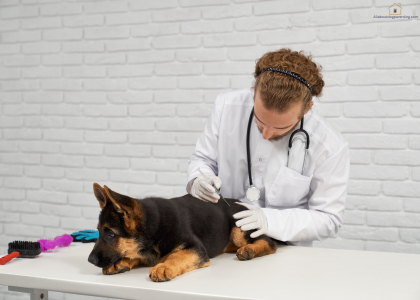
A second dose of DHPP is given at this stage. This helps in building on whatever immune response the first dose triggered. The puppy booster shots given at each interval push the immune system toward reliable, lasting protection.
Possible Non-Core Vaccines
Depending on your puppy’s lifestyle and your region, your vet may introduce:
- Bordetella (kennel cough): Recommended for puppies who will be around other dogs. For instance, in classes, boarding, or dog parks. It can be given as early as 8 weeks
- Leptospirosis: A bacterial infection that can affect kidneys and liver. More relevant in areas with standing water, wildlife exposure, or high rainfall
Why Boosters Are Needed
Maternal antibody interference doesn’t switch off at a fixed moment. There exists what vets call a “window of susceptibility”, when maternal antibodies are too low to provide protection but still high enough to block a vaccine from working. The series of boosters is designed to bridge that gap, ensuring your puppy is covered even as that protection fades.
Vaccines at 14–16 Weeks
Final Puppy Core Booster
This visit delivers the final dose of the DHPP series. By this point, maternal antibodies should be sufficiently gone in most puppies, allowing the vaccine to generate a full immune response. This is why the 14–16 week mark is considered critical. It’s often when actual, reliable immunity is first established.
The rabies vaccine is also typically given at this stage, though the timing varies by region and local law. In most parts of the US, the first dose of rabies vaccination is typically given between 12 and 16 weeks of age.
Why This Stage Is Critical
One week after this final puppy vaccine visit, most pups have enough protection to safely visit dog parks, groomers, and other high-contact environments for the first time.
Vaccines at 12 Months
First Annual Booster
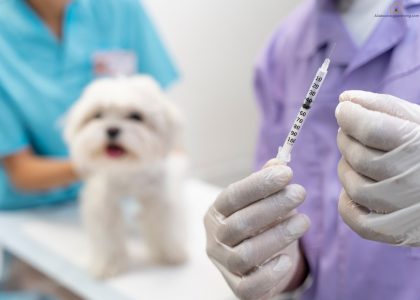
At the one-year mark, your puppy gets their first adult booster round of DHPP and rabies. This reinforces the immunity built during puppyhood and transitions them into an ongoing adult schedule.
From here, most core vaccines are given every three years for healthy adult dogs with low-risk lifestyles. Rabies boosters follow local legal requirements, which vary. Non-core vaccines like Bordetella and Leptospirosis typically require annual boosters.
Some pet owners request titer tests that measure existing antibody levels before deciding whether boosters are needed. This is a valid approach for some vaccines, but not rabies. That one is legally mandated in most regions and can’t be replaced by a titer test.
Core vs Non-Core Vaccines for Puppies
Core vaccines are recommended for every puppy, everywhere. They protect against diseases that are widespread, serious, and often fatal, and in the case of rabies, pose a public health risk to humans. The standard core vaccines for puppies are:
- DHPP (Distemper, Adenovirus/Hepatitis, Parvovirus, Parainfluenza)
- Rabies
Non-core vaccines are based on your dog’s specific circumstances:
- Bordetella: For social dogs, such as those attending classes, boarding, or dog parks
- Leptospirosis: For dogs in areas with standing water, wildlife, or rural environments
- Canine Influenza: For dogs frequently around large groups of other dogs
- Lyme Disease: For dogs in tick-heavy regions
Your vet will factor in where you live, how your dog interacts with other animals, and any planned travel when recommending non-core vaccines. There’s no one-size-fits-all answer here.
What Diseases Do Puppy Vaccines Protect Against?
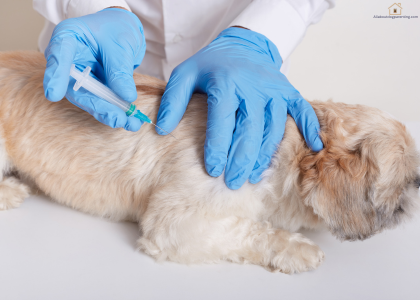
Having lost a pup to parvo at 10 weeks (even before the window of vaccination opened), I can tell you that vaccines are potential life-savers for your dog. There protect against:
- Distemper: Attacks the respiratory, gastrointestinal, and nervous systems. Highly contagious and often fatal in unvaccinated dogs
- Parvovirus: Causes severe vomiting, bloody diarrhea, and rapid dehydration. Particularly dangerous in young puppies. The survival rate is low. The virus can persist in the environment for months
- Adenovirus (Hepatitis): Can cause liver damage, respiratory illness, and in serious cases, death
- Rabies: Attacks the central nervous system and is almost always fatal once symptoms appear. It’s also transmissible to humans, which is why it’s legally required in most countries
- Bordetella: The primary cause of kennel cough. This harsh, persistent cough that spreads easily in group settings
- Leptospirosis: A bacterial infection that can cause kidney and liver failure, and unlike the others, it can be passed from dogs to humans
Common Vaccine Side Effects
Most puppies handle vaccines without drama. Mild soreness at the injection site, a day or two of low energy, and a reduced appetite are all common and typically resolve on their own.
More significant reactions such as swelling around the face or muzzle, hives, vomiting, labored breathing are rare but require prompt veterinary attention. These usually appear within an hour of vaccination, so staying at or near the clinic for a short while after the shot is a sensible precaution if your puppy has any history of sensitivity.
It’s worth mentioning that certain breeds, including German Shepherds, Collies, and some herding breeds, may be more reactive to specific vaccine components. Discuss your puppy’s breed history with your vet to adjust doses if necessary.
Can Puppies Go Outside Before All Vaccines Are Done?
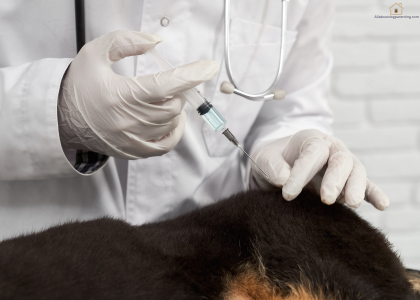
Yes, with some caution. Complete isolation until the full series is done isn’t necessary, and it can actually work against healthy socialization development. The practical approach is to limit exposure to high-risk environments.
Dog parks, pet store floors, and areas frequented by unvaccinated dogs are best avoided until two weeks after the final puppy booster. Quieter settings such as a private garden or a low-traffic outdoor area are generally fine.
The socialization window for puppies is roughly 3–12 weeks. Missing it has real behavioral consequences. If your vet agrees, use a dog carrier to get your puppy out so they can experience the world safely while the vaccine series is still in progress.
What Happens If You Miss a Vaccine?
It depends on how long the gap is. If it’s been only a few days or a week past the scheduled date, your vet will likely continue from where you left off. If it’s been significantly longer, you may need to restart the series, particularly for the DHPP combination vaccines.
Hunter notes that boosters need to be administered within a specific time window, which is usually four weeks. Otherwise the series may need to restart. Don’t assume that one dose carried over from a previous visit is enough. Check with your vet and get back on schedule as soon as possible.
Final Takeaway
The puppy vaccination schedule by age serves a purpose, and the gaps between two doses are intentional. Skipping or delaying can leave real windows of vulnerability. The core vaccines are non-negotiable. The non-core ones deserve an honest conversation with your vet about your dog’s lifestyle and your local disease landscape. And once the initial series is done, keep up with the puppy booster shots and adult schedule. Immunity isn’t permanent without maintenance.
Keep a vaccination record, set calendar reminders for upcoming boosters, and bring that record to every vet visit. If you’re ever unsure about timing, your vet is the right person to ask.
For more puppy care guides by age, visit allaboutdogparenting.com.
FAQs
- When do puppies get their first shots?
The first round of core vaccines for puppies is typically given at 6–8 weeks of age, once the puppy is weaned from its mother’s milk.
- How many rounds of shots do puppies need?
Most puppies need three rounds of core vaccines at 6–8, 10–12, and 14–16 weeks, plus their first annual booster at 12 months. Some high-risk puppies may need an additional DHPP dose at around 18–20 weeks, particularly for parvovirus in certain breeds like Rottweilers.
- Is rabies required for all puppies?
In most parts of the world, yes. Rabies vaccination is legally required in the majority of US states and many other countries. It’s not optional, and it cannot be replaced by a titer test.
- Can vaccines make my puppy sick?
Mild symptoms, like tiredness, mild soreness, reduced appetite, are normal immune responses and pass quickly. Serious reactions are rare. If you see significant swelling, vomiting, or difficulty breathing within an hour of vaccination, contact your vet immediately.
- What if I adopted a puppy with unknown vaccine history?
Don’t guess. Bring your puppy to the vet as soon as possible. Your vet may run an antibody (titer) test to assess existing immunity, or recommend starting the vaccine series from scratch. It is generally safer to re-vaccinate than to leave a potentially unprotected dog exposed to serious disease.