What Puppies Need at Different Ages (Essentials & Care Shifts)
If there is one thing I’ve learned raising dogs over the past decade and a half, it’s that a puppy’s needs change a lot faster than most people can comprehend. From balanced nutrition to right care, new social experiences, plenty of mental stimulation, and a lot of patience and reassurance along the way, your puppy needs a lot to thrive as they go through different developmental stages. While the broad framework remains the same, the specific of what puppies need at different ages keeps evolving.
For example, an 8-week-old pup needs warmth and snuggles more than a 9-month-old adolescent does. If you miss identifying and meeting these shifting needs, you can end up with a pet who struggles with issues like anxiety, reactivity, or chewing. This guide on puppy care needs covers exactly the care and essentials you need to offer at each stage.
Puppy Needs by Age — Essentials at a Glance
- Puppies need different essentials at different stages of growth
- A puppy’s physical, mental, and emotional needs change over time
- Some early needs fade, while others emerge and increase
- Knowing what puppies need at different ages helps you prevent common behavior and health issues
How Puppy Needs Change Over Time
As puppies grow, their needs evolve. Knowing what puppies need at different ages helps you adapt your care. Growth spurts, developmental milestones, and environment all shape puppy needs by age. While foundational needs like nutrition and sleep need to be tweaked as you go, things like exercise level, independence, and training need constant upgradation.
Veterinarian Dr. Deianira Huettenmoser notes, “While basic care is foundational, daily movement, mental engagement, and connection are what truly help dogs thrive.” Meeting your puppy’s changing needs consistently helps prevent stress and problem behaviors later on.
Puppy Needs at 0–8 Weeks
Core Essentials at This Age
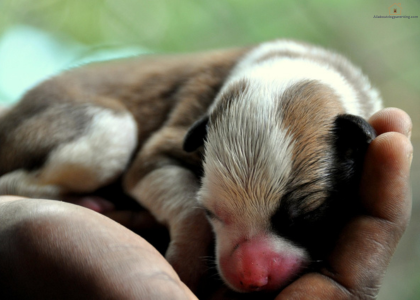
- Mother’s milk and warmth: The biggest of the puppy essentials at this stage is proximity to mom and littermates. Newborns need constant nursing and a warm, clean whelping area
- Gentle handling and vet checks: A few minutes of gentle touch helps future socializing. Check if the puppy is gaining weight daily, as failure to gain signals trouble. Inspect for birth defects like cleft palate. Keep the umbilicus clean and watch for infection
- Quiet comfort: Keep noise low and lights dim. Mom and littermates provide the security and warmth your pup needs
Physical & Developmental Needs
- Growth and sleep: At this age, puppies sleep about 90% of the time, waking only to nurse or wiggle. Their coordination is minimal. They may only crawl at first and begin lifting up by ~2 weeks. Each tiny milestone such as opening eyes or standing on hind legs happens quickly.
Mental and Emotional Needs
- Security: A puppy’s whole world is mom and siblings. Keep them together and provide gentle contact so they learn to trust humans
What’s Less Important
- Structured play: At this age, toys, puppy supplies, and formal training are not necessary. Focus on feeding, warmth, and nurturing. The rest comes later
Common Gaps at This Stage
- Skipping vet checkups: Early vet visits matter. Don’t assume the breeder handled everything. A vet should verify each puppy is healthy and advise on care
- Temperature oversights: It’s easy to forget how little temperature control pups have. Even a cool night can be dangerous. Keep them warm!
Puppy Needs at 2–3 Months
Core Essentials at This Age
- Puppy diet: Feed a balanced puppy food 4-5 times a day. Puppies burn lots of calories growing, so portion for their size and activity. Always have fresh water available
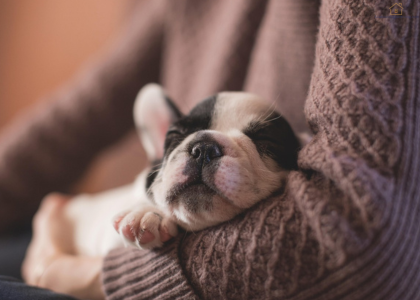
- Safe sleeping spot: Use a crate or bed with soft bedding. A consistent bedtime routine, with a quiet room and warm blanket, helps your pup settle
- Comfort chews: Baby teeth come in now. Provide safe chew toys to soothe gums and keep your puppy entertained
- Vet care: Keep vaccination boosters on schedule, starting around 6–8 weeks and every few weeks. Use dewormers and start monthly flea/tick prevention. Consider microchipping at the first vet visit
Physical & Developmental Needs
- Exercise bursts: Your puppy is curious and playful. Give them short play sessions and walks each day, but avoid long runs. At this stage they still tire quickly and nap often
Mental & Emotional Needs
- Socialization: This is a critical window. Introduce your puppy to lots of people, gentle dogs, sounds, and places, once vaccinated. Dr. Ian Dunbar emphasizes, “The first 3 months are critical for socialization. Positive early exposure builds lifelong confidence.”
- Predictable routine: Stick to regular meal, play, and nap times. Calm praise and treats for good behavior help your puppy learn what is expected of them
What Becomes Less Important
- Mom and litter: By 8 weeks the puppy is fully weaned. They rely on you instead of mom for comfort and food
Common Gaps at This Stage
- Neglecting social needs: Some owners wait too long to go out. Safe, controlled outings now prevent fearfulness later. Even short car rides or puppy classes post-vaccination help
- Skipping microchip: It’s easy to think a tiny pup can’t escape, but microchipping early can save heartbreak if they slip out the door
- Lack of chew outlets: Teething puppies will chew anything without proper toys. Keep multiple safe chew options on hand
Puppy Needs at 4–5 Months
I remember when my puppy hit this age. It felt like he suddenly became a teenager and the things that seemed to work well up until this point went out the window. Here are what puppy care needs at this stage look like:
Core Essentials at This Age
- Balanced diet: Keep feeding high-quality puppy food 2–3 times a day. Adjust portions for your pup’s size to support growth without excess weight
- Consistent sleep spot: Ensure a quiet crate or bed. Good rest is still needed after play and meals
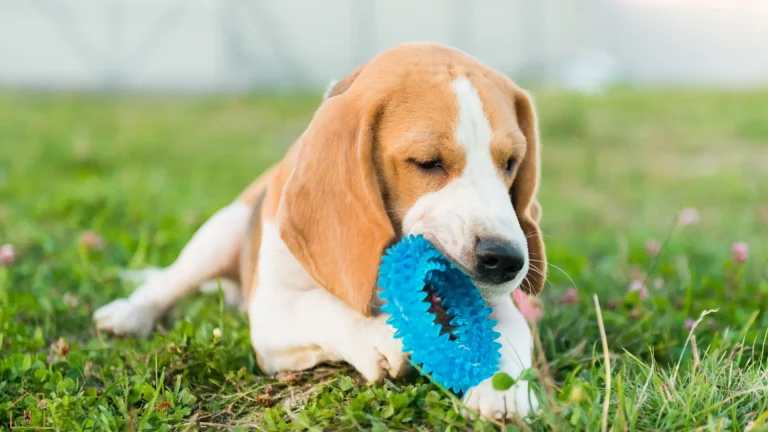
- Tough chew toys: Teething peaks now. Durable chews like rubber toys or nylon bones, and puzzle toys soothe gums and burn energy
- Health care: Continue all parasite preventatives. Plan spay/neuter, often around 6 months, and keep any remaining vaccines up to date
- Safety: Your home is still full of dangers such as wires, plants, and choking hazards. Puppy-proof by blocking off unsafe areas and supervise closely
Physical & Developmental Needs
- Regular play: This “teenage surge” requires daily playtime and walks. Provide outlets for energy, but avoid long runs or high jumps to avoid strain on developing joints
Mental & Emotional Needs
- Stimulating activities: Continue social outings and brain games like puzzles, or hide-and-seek. These keep your puppy confident and busy
- Routine: Stick to consistent meal, potty, and sleep schedules. Predictability reassures your pup and helps cement house rules
What Becomes Less Important
- Constant oversight: At this age your puppy can handle short breaks alone. Teach independence by giving them a safe toy or puzzle when you leave the room briefly
Common Gaps at This Stage
- Insufficient outlets: A bored puppy can get into trouble. Too little exercise or no chew toys often leads to destructive behavior. Make sure play sessions and chews match your pup’s energy level
- Fear reactions: A hormone spike may make your pup suddenly anxious. They may suddenly be scared of stairs or noises. Never scold fear. Calmly comfort them and reintroduce the trigger slowly to rebuild confidence
- Overfeeding treats: It’s tempting to reward often, but extra calories add up. Use part of their kibble for rewards or very low-cal treats during training
Puppy Needs at 6–8 Months
Core Essentials at This Age
- Regular meals: Feed high-quality food twice a day, matching portions to your puppy’s activity and build. Monitor growth. It may begin to slow for some breeds
- Comfortable bed: Maintain a cozy sleeping area; your pup should still nap after exercise
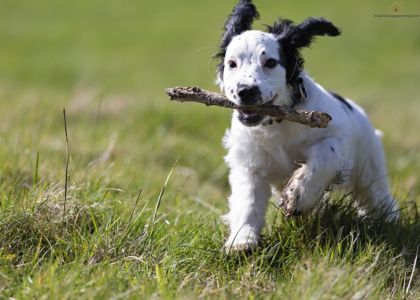
- Enrichment toys: Offer interactive toys and chews like Kongs filled with treats or puzzle toys. A busy 6-month-old will chew if left idle, so these are essential to preventing destruction
- Health care: Schedule spay/neuter if you haven’t already, and any final puppy vaccines. Continue flea, tick, and heartworm prevention without interruption
Physical & Developmental Needs
- Increased activity: Keep daily walks and play consistent. Many puppies grow quickly now, so exercise steadily but avoid slippery floors or overly rough play
Mental & Emotional Needs
- Leadership: Your pup may test limits now. Stay calm and consistent with rules, and reward good behavior. Redirect mischief into play to keep them busy. Bored puppies can turn destructive
- Social outings: Continue gentle exposure to new experiences like quiet parks or playdates with friendly dogs. Positive adventures now build lasting confidence
What Becomes Less Important
- Overprotection: Your puppy can handle some independence. Encourage it by giving them a puzzle toy or chew while you step away for a moment, then praising them for staying calm
Common Gaps at This Stage
- Skipping vet checks: Growth issues like joint problems in large breeds often surface around this age. A vet visit can catch these early
- Lack of exercise: A 6–8 month pup still has loads of energy. If activity drops off, you may see anxiety or destructive behaviors. Keep up regular walks and play
- Inconsistent training: Adolescence isn’t over. If you relax the rules now, old bad habits like chewing or nipping can solidify. Continue reinforcing good manners consistently
Puppy Needs at 9–12 Months
Core Essentials at This Age
- Balanced nutrition: Talk to your vet about switching to adult dog food. Make a gradual change to an adult formula suited to your dog’s size and activity
- Veterinary care: Complete year-one boosters and schedule spay/neuter now, if not done. Maintain monthly parasite prevention
- Engagement: Keep offering training games and enrichment to challenge your adolescent dog mentally
Physical & Developmental Needs
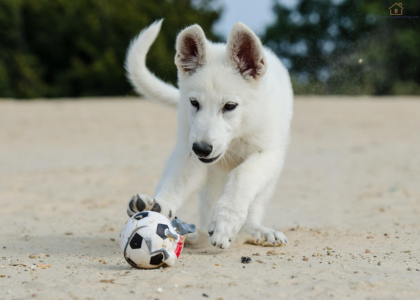
- Steady exercise: You can lengthen walks or add new activities like fetch, short jogs for small breeds. Always avoid extreme movements until the growth plates close. Plenty of rest afterward helps recovery
Mental & Emotional Needs
- Consistent guidance: Continue reinforcing commands and good manners. Even at this age, practice commands to solidify habits
What Becomes Less Important
- Puppy items: By now the puppy essentials checklist has evolved completely, so it’s safe to retire the tiny puppy stuff. Switch to adult-sized gear and toys.
Common Gaps at This Stage
- Neglecting health checks: A 12-month wellness exam is still needed. Adult issues like hip development or allergies can appear now, so don’t skip the vet
- Underestimating activity: A yearling still needs exercise. Cutting back too fast can lead to weight gain and boredom. Keep up daily play and walks
- Relinquishing rules: Some owners think a one-year dog is an adult, but clear boundaries are still crucial. Continue the rules to prevent old puppy habits from reappearing
Essentials vs Routines
Think of needs as your puppy’s requirements like nutrition, exercise, or comfort) and routines as the schedule you keep, such as feeding times and walks. A routine alone doesn’t fix an unmet need. For example, no schedule or puppy essentials checklist will curb accidents if a puppy’s needs aren’t truly met.
Meeting needs first makes routines work. Focus on the essentials so that daily tasks like house-training and bedtime fall into place. If you ignore those basics, even a perfectly timed routine won’t stop stress behaviors like barking or chewing. Understanding what puppies need at different ages is key to creating routines that actually work for your growing pet.
Signs Your Puppy’s Needs Are Being Met
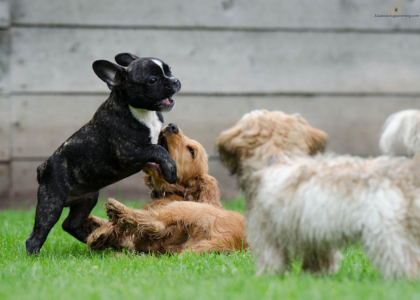
- Balanced behavior: Your puppy explores calmly and with interest, rather than cowering or being aggressive. They approach people and toys with curiosity, not fear
- Healthy routines: A satisfied puppy eats all their food and has regular, restful sleep cycles. Their appetite and energy level remain steady through the day
- Low stress indicators: You see very few stress signals. The puppy settles quietly after play, engages happily during interactions, and generally shows a relaxed body posture instead of tension or pacing
When Needs Change Faster Than Expected
Puppies can hit growth spurts, often around 4–6 months and again near 1 year, that suddenly boost appetite, energy, or sleep needs. Changes in environment, such as a new home, a baby, or a family schedule shift, can also make your pup crave extra comfort and reassurance.
These shifts are normal signals. When you notice a sudden change such as your puppy being hungrier as usual or chewing more, or acting clingier, adjust by adding playtime or cozy comfort items. If you’re unsure whether a change is normal, consult your veterinarian. Catching these rapid shifts early helps prevent problems before they start.
Final Takeaway
Puppy needs evolve as your dog grows. Each age brings new needs in terms of food, exercise, socializing, and missing them now can lead to problems later. By following this age-by-age guide, you can proactively meet your puppy’s changing needs. Think of it as a roadmap: each stage has its own must-haves.
Keep up with these essentials and your puppy will grow into a well-adjusted adult. If any need feels uncertain, don’t hesitate to ask your veterinarian. Staying on top of what puppies need at different ages will make puppyhood more joyful.
FAQs
- Do all puppies need the same things at the same age?
Not exactly. Every puppy is unique, so the timing of when a need appears can differ. In other words, what puppies need at different ages can vary by breed and individual. However, the general pattern is the same: all puppies need socialization, nutrition, exercise and love as they grow.
- How do I know if a need is being missed?
Watch for warning signals: a pup that’s unusually anxious, destructive, under-eating or hyperactive often has an unmet need. If something feels off, like constant barking or lack of appetite, ask if you’ve kept up with what puppies need at different ages. Changes in behavior often point to a missing requirement. If you’re still unsure, consult a vet or trainer.
- Can I introduce essentials earlier or later?
Some flexibility is okay. For example, you might start social outings right after the first shots rather than waiting. Follow your puppy’s cues. Too much too soon can stress them, too little too late can leave gaps.
- Do puppy needs change suddenly or gradually?
Mostly gradually, as they grow and hit milestones. However, expect a few leaps such as growth spurts and fear phases that can make changes seem sudden. Stay observant so you can adapt quickly when those shifts occur.