When Do Puppies Stop Growing? A Complete Guide by Breed Size
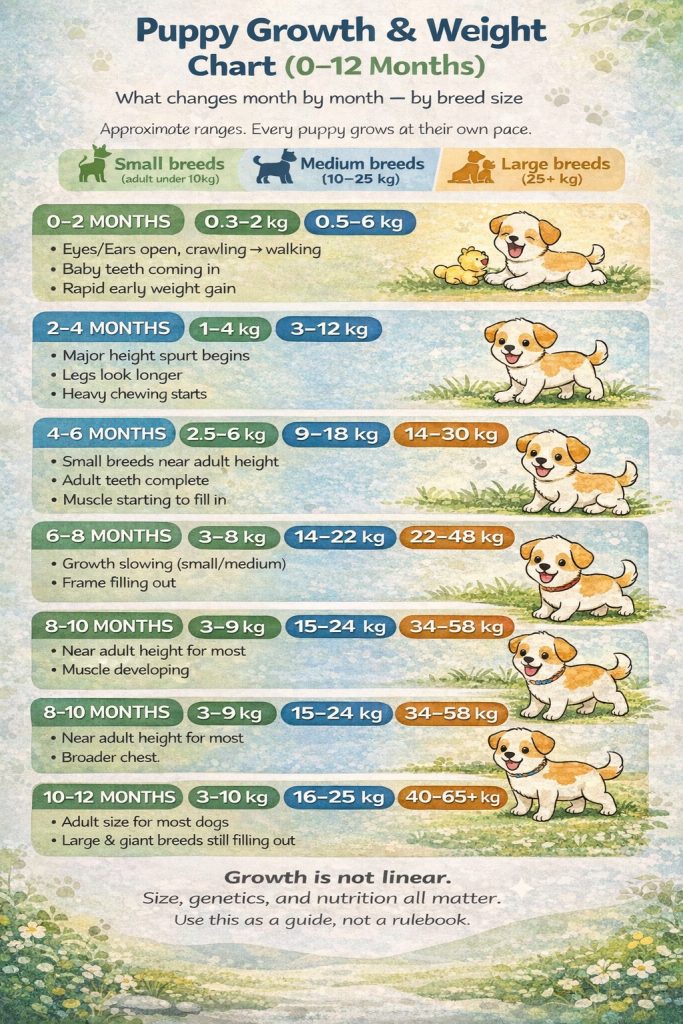
Before you bring home a puppy, you need a reality check on how big they get and how fast. A strong understanding of puppy growth timeline is crucial because a lot of key decisions depend on it. For instance, it helps you assess whether the crate you bought will last six months or two years, or when you can safely stop treating every walk like a calculated risk to their developing joints. So, when do puppies stop growing?
The short answer: puppies stop growing somewhere between 6 and 24 months, depending entirely on breed size. Yes, the range is wide but it isn’t vague. It reflects a genuine biological reality that separates a Chihuahua from a Great Dane. Understanding the puppy growth by breed size shapes how you feed them, how you exercise them, and what you reasonably expect from them at each stage.
When Puppies Stop Growing — Quick Overview
| Breed Size | Growth Stops Around |
| Toy breeds | 6–8 months |
| Small breeds | 9–12 months |
| Medium breeds | 12–15 months |
| Large breeds | 15–18 months |
| Giant breeds | 18–24 months |
These are general windows, not precise deadlines. Individual dogs can vary, and your vet is always the most reliable source for your specific puppy. That said, these ranges hold up consistently across the research and will give you a working framework.
Why Puppies Grow at Different Rates
The obvious question is why a small dog reaches full size at 8 months while a giant breed is still growing at 20 months. Several factors are at work, and they interact with each other in ways worth understanding.
Breed Size
Puppy growth by breed size is the most dominant variable. Small breeds go through their growth arc fast, showing rapid early gains that taper off quickly. Large and giant breeds grow more slowly and for much longer because their skeletal development is genuinely more complex. Bigger bones need more time to develop properly, and overfeeding or excessive exercise during this time creates real orthopedic risk.
Genetics
Your puppy’s genetics set the ceiling for their size and largely determine how fast they’ll get there. If you know the size of both parents, that’s your most reliable early indicator of adult size. For mixed breeds, it gets more complicated. A DNA test can help, but even then, growth prediction isn’t an exact science.
Growth Plates
This is the mechanism behind everything. Growth plates are areas of soft cartilage located near the ends of long bones. During puppyhood, these plates actively produce new tissue, which gradually hardens into bone. When the plates stop producing new tissue and fully calcify—a process called closure—height growth ends.
According to the American Kennel Club, growth plate closure is the definitive marker of skeletal maturity, and it’s the only way to know for certain that a dog has stopped growing. It can be confirmed via X-ray if needed.
One practical tip worth knowing: you can get a rough sense of whether your puppy is still growing by running your hand down their ribcage. If you can feel small knobs on the bones, those are developing growth plates, and there’s more growth ahead. No knobs typically means the plates in that area have closed.
Nutrition and Health
A balanced, age-appropriate diet supports healthy, steady growth. The issue cuts both ways: underfeeding can stunt development, but overfeeding, particularly in large breeds, carries its own risks. Excess calcium in large-breed puppy food has been linked to skeletal problems. Underlying health conditions, intestinal parasites, and chronic illness can all interfere with normal growth. Regular vet check-ups during the first year catch these issues early, when intervention is most effective.
Puppy Growth Timeline by Breed Size
The clearest patterns in answering the question, when do puppies stop growing, typically emerge from the breed itself.
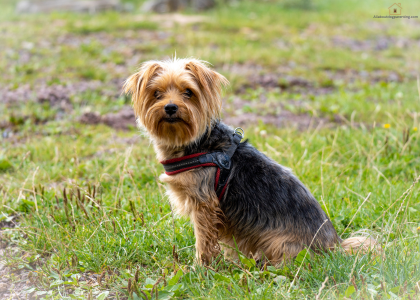
Toy Breeds (e.g. Chihuahua, Yorkshire Terrier)
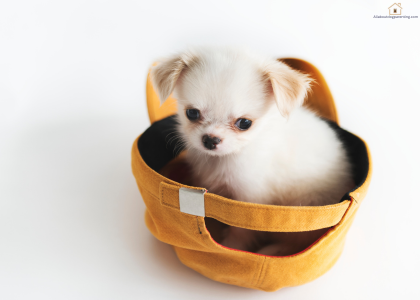
Toy breeds grow fast. Most are close to their full height by four to five months, with growth wrapping up entirely around six to eight months. What looks like a fully formed adult dog at six months pretty much is one, at least physically. The rapid pace of development means toy breed puppies need age-appropriate food from the start, but the window for puppy-specific care is shorter than for any other size category.
Small Breeds (e.g. Pug, Dachshund, Beagle)
Small breeds follow a steadier growth curve than toys. Most reach their adult height by around nine months, with the remaining growth being a gradual filling-out rather than noticeable height increase. By 12 months, the majority of small breed dogs are physically mature. Their joints and bones are still relatively robust compared to larger breeds, but that doesn’t mean high-impact exercise is entirely without risk while they’re still developing.
Medium Breeds (e.g. Border Collie, Cocker Spaniel)

Medium breeds sit in the middle of the puppy growth timeline in every sense. Growth is moderate in pace and continues a bit longer, typically wrapping up between 12 and 15 months. These breeds often look fully grown before they technically are. Their height stabilizes before their body has fully filled out with muscle and adult coat. A medium breed at 12 months may still have a few months of filling out ahead, even if they’re no longer getting taller.
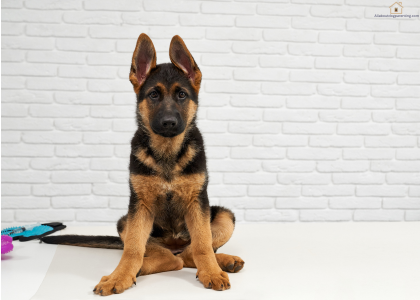
Large Breeds (e.g. Labrador Retriever, German Shepherd)
This is where the puppy growth timeline extends meaningfully. Large breeds are still actively growing until 15 to 18 months, and their growth plates remain open and vulnerable significantly longer than smaller breeds. I’ve been raising German Shepherds long enough to know that what looks like an adult dog at 10 months is still very much a puppy biologically and treating them like an adult too soon creates problems.
The implications are real. High-impact exercise such as jogging on hard surfaces, repetitive jumping, forced distance walks puts undue stress on bones and joints that haven’t finished developing. As Dr. Jerry Klein of the AKC has noted, road work and jogging are not recommended for large-breed dogs until growth plates have fully fused, which may not happen until 14 to 18 months. Our guide on safe puppy exercise by age goes into this in detail, highlighting what’s appropriate, what to avoid, and how to read your puppy’s cues.
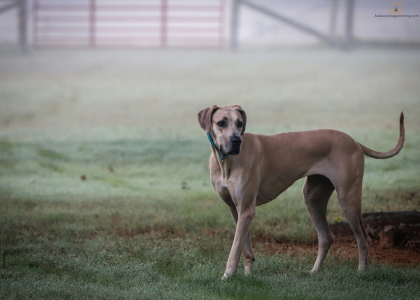
Giant Breeds (e.g. Great Dane, Mastiff, Saint Bernard)
Giant breeds sit at the far end of the puppy full size age spectrum, and the growth window reflects it: these dogs may continue growing until 18 to 24 months, with some individuals taking even longer. What it means is that the precautions around exercise and nutrition apply for longer than most owners expect.
Overfeeding a giant breed puppy in an attempt to bulk them up faster is one of the most common mistakes owners make. Rapid, forced growth in giant breeds is associated with skeletal conditions including hip dysplasia and osteochondrosis. Slow and steady is the goal, not impressive weight gain at four months. For a detailed look at exactly how growth unfolds week by week, our guide on how fast puppies grow covers the specifics by breed size.
Signs Your Puppy Is Reaching Full Growth
Physical Signs
Height growth noticeably slows or stops altogether. Weekly weigh-ins, which I’ve always found useful to track during the first year, start showing smaller and smaller gains. The proportional awkwardness of puppyhood starts to resolve: legs that looked too long even out, the head starts fitting the body. For a dog with an adult coat, the transition from puppy fluff to adult fur happens around this time too.
Behavioral Signs
Calmer behavior is one of the most reliable signals that a dog is reaching physical maturity. Not calm as in boring, but less frantic, more predictable. Coordination improves. The clumsy overshooting that defines puppyhood starts to disappear. Focus during training sessions gets noticeably better. If you’ve been waiting for the phase where your puppy starts actually listening, physical maturity is when it genuinely begins.
Do Puppies Keep Developing After Growth Stops?
Physically, yes, height stops, but development doesn’t. Muscles continue building for months after the growth plates close, and body composition can keep shifting into the second year. Mental and emotional maturity lags behind physical maturity in most breeds, often by several months. The AKC notes that most dogs don’t reach full emotional maturity until 12 to 18 months. A physically full-grown dog may still have several months of behavioral puppiness ahead of them. For large breeds like GSDs, I’d put that window closer to 18 to 24 months, honestly. Personality stabilizes gradually, and the dog they’re going to be becomes clearer month by month.
Understanding what puppies need at different ages, not just while they’re visibly growing, helps bridge this gap between physical and mental maturity sensibly.
What Affects How Big Your Puppy Will Get
A few key factors, in rough order of influence:
- Breed genetics: The primary determinant to the question, when do dogs stop growing
- Parent size: The most reliable practical predictor, especially for purebreds
- Nutrition quality: Adequate nutrition supports healthy growth; poor nutrition can stunt it; overfeeding in large breeds can accelerate growth in ways that damage developing bones
- Health conditions: Parasites, chronic illness, and growth plate injuries can all affect final size
- Spay/neuter timing: Research suggests early sterilization, particularly in large and giant breeds, can slightly delay growth plate closure, potentially resulting in taller but leaner adult dogs
Common Mistakes Puppy Owners Make
Lack of clarity on puppy growth timeline can lead to the following common mistakes:
- Assuming growth has stopped too early. A large-breed dog that looks adult-sized at 10 months has months of plate-open development ahead. Care decisions around exercise, diet, or jumping should reflect that
- Comparing growth across breed sizes. A friend’s small-breed puppy being fully grown at 8 months says nothing about your Labrador’s timeline. Different categories, different biology
- Overfeeding during growth stages. More food does not mean faster, healthier growth. In large and giant breeds especially, it means increased skeletal risk
- Forcing high-impact exercise before growth is complete. Running alongside you, jumping from furniture, or repetitive stair climbing put compressive force on growth plates that aren’t ready for it. The risk is real, and the damage it causes is cumulative and largely irreversible
- Switching to adult food too soon. Puppy food formulas are calibrated for growing nutritional needs. Switching before growth is complete can deprive a puppy of what they need at a critical phase
FAQ
- When do puppies reach their full size?
It depends on breed size. Toy breeds by 6–8 months, small breeds by 9–12 months, medium breeds by 12–15 months, large breeds by 15–18 months, and giant breeds by 18–24 months. The only definitive way to confirm growth is complete is an X-ray that shows growth plate closure.
- Do large dogs grow for longer than small dogs?
Yes, significantly. A Chihuahua may be physically mature at 7 months while a Great Dane is still actively growing at 20 months. The bigger the breed, the longer and slower the growth arc.
- Can diet affect puppy growth?
Directly. Underfeeding can stunt development. In large and giant breeds, overfeeding, particularly diets high in calcium, is linked to skeletal abnormalities. A breed-size-appropriate puppy food that meets AAFCO nutritional guidelines is the baseline; your vet can advise on specifics for your breed.
- How can I estimate my puppy’s adult size?
For purebreds, breed standards give you a reliable range. Parent size is your best practical guide for any puppy. For small and toy breeds, you can multiply the puppy’s weight at 8 weeks by 3 for a rough adult weight estimate. For medium and large breeds, multiply the 4-month weight by 2. These are approximations. Treat them as starting points, not guarantees.
The Bottom Line
When do puppies stop growing? Between 6 and 24 months, depending on how big they’re going to be. Small breeds get there early and fast. Large and giant breeds take their time, and trying to speed that process up, through overfeeding or overexercising, tends to backfire.
Knowing your puppy’s growth timeline isn’t just useful information. It determines how you feed them, how you exercise them, and how much patience you extend during the behavioral rough patches that coincide with the final stretch of development. Get the timeline right, and you’ll make better decisions across the board for their entire first year.