Puppy Growth Spurts Explained: When They Happen and What to Expect
One day, you bring home a little furball that practically fits in one hand. A week later, they’ve somehow outgrown the crate you just bought. You fed them dinner at the usual time, but they’re staring at the empty bowl like they’ve been starved for weeks. And suddenly, they’ve gone from prancing all over the house to snoozing like their life depends on it. These inexplicable changes that seem to come out of nowhere are puppy growth spurts in motion, and will happen more than once across the first year.
Puppies don’t grow at a smooth and steady pace. They grow in phases, where you suddenly feel like your pet has grown overnight, followed by a stretch where that growth seems to flatten out. Understanding the puppy growth spurt timeline helps you stay ahead of their changing needs, right from adjusting feeding to protecting developing joints, and not panicking when your puppy sleeps for half a day and wakes up visibly bigger.
Puppy Growth Spurts — Quick Overview
| Puppy Age | Growth Spurt Characteristics |
| 1–3 weeks | Rapid early development; weight doubles in first week |
| 6–8 weeks | Increased appetite, higher energy, environmental exploration |
| 3–4 months | Noticeable height and weight gain; teething begins |
| 5–6 months | Major skeletal growth; body proportions temporarily uneven |
| 7–12 months | Slower but continued development; muscles filling out |
What Are Puppy Growth Spurts?
Puppy growth stages go through peaks and troughs, of rapid growth and then quieter phases. This rapid growth is what is typically known as a growth spurt. Here is what it entails:
Rapid Physical Development
A growth spurt is a period of accelerated development, where bones are lengthening, muscles are adding mass, and organs are maturing faster than usual. It’s not a constant state. Puppy growth is episodic. A period of fast gains is followed by a relatively quieter stretch before the next phase kicks in.
A Natural Part of Development
The reason growth happens in concentrated bursts, rather than uniformly, comes down to biology. The body prioritizes development in phases. First foundational structures like the skeleton, then muscle mass, then coordination and neurological fine-tuning. Hormonal shifts drive these phases, which is why growth spurts sometimes coincide with behavioral changes.
Why Growth Comes in Phases
The puppy growth spurt timeline looks less like a smooth upward line and more like a staircase. Each step represents a growth spurt and the landings between steps are the slower consolidation phases where the body catches up with itself. This pattern is why puppy owners so often describe their dog seeming to grow “overnight”. They’re not imagine it. Bone lengthening during a spurt can be rapid enough to be genuinely visible week to week.
Puppy Growth Spurt Timeline
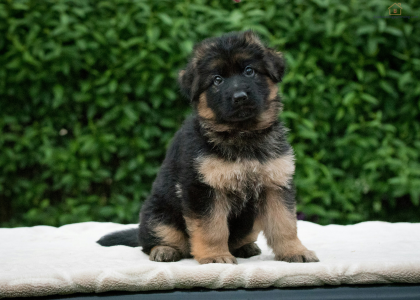
So, when do puppies have growth spurts? Here is a broad timeline:
First Growth Spurt (1–3 Weeks)
This one happens before most owners even have their puppy. In the first week of life alone, healthy puppies roughly double their birth weight. One of the fastest rates of weight gain relative to body size seen in any mammal. Everything they have goes into growth.
By days 25–30, a puppy’s weight will have multiplied by four from birth. The first weeks are genuinely extraordinary in terms of developmental speed, which is why early nutrition, warmth, and the mother’s care during this window are so critical to long-term health outcomes.
Second Growth Spurt (6–8 Weeks)
This is one of the most significant spurts in all of the puppy growth stages and it typically coincides with your pet’s arrival home. During this phase, appetite increases noticeably, and energy levels climb. The puppy that was mostly sleeping and feeding a few weeks ago is now launching itself around the room and investigating everything with urgent curiosity.
The brain undergoes a major developmental spurt during this period alongside the physical changes, making these weeks among the most impressionable in a puppy’s entire life.
It’s a lot happening at once, and it explains why the 6–8 week window is both the most exciting and the most overwhelming for new owners.
Third Growth Spurt (3–4 Months)
By three months, when spurts hit the puppy growth timeline, the results are visible in real time. Height increases week to week. Weight climbs steadily. Teething begins in earnest as baby teeth start loosening. Coordination is improving, albeit marginally.
The most significant spurts during this period tend to happen between three and five months of age, where most puppies go through the peak of their active physical growth. It’s also when appetite tends to be at its most demanding because the body needs substantial fuel to support the growth. Keep meal schedules consistent and resist the impulse to reduce food because the puppy seems to be eating “too much”. Their calorific needs are higher during this time.
Fourth Growth Spurt (5–6 Months)
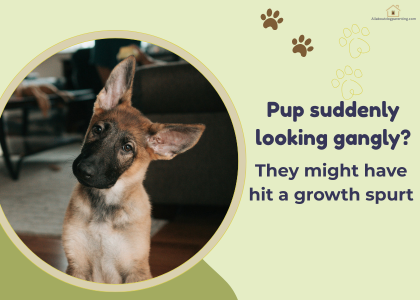
Between five and six months, skeletal growth continues at pace and this is when the body’s proportions can temporarily look a little off. Long legs that haven’t yet been matched by muscle mass, a narrow chest that hasn’t filled out, a head that might look slightly too large or too small for the frame. I have seen this with my GSDs every single time. The “awkward teenager” phase, as I always called it, where they looked assembled from spare parts that hadn’t quite agreed on a size.
Appetite may increase again during this spurt. By five months, large breed dogs will have developed the skeletal structure they need for adulthood and will be at roughly half their adult weight, but getting there demands significant nutritional input. This is also the stage where exercise management becomes especially important. Our guide on puppy exercise by age covers exactly what’s safe and what to avoid while growth plates are still open and vulnerable.
Final Growth Phase (7–12 Months)
This is one of the puppy growth stages where things start to slow down but don’t quite plateau yet. The rapid spurts of the earlier months give way to a more gradual filling-out. Muscles add mass to the frame, the chest broadens, the body proportions evening out into something that starts to look like the adult dog they’re becoming. For small and medium breeds, this phase wraps up reasonably close to the 12-month mark.
For large and giant breeds, it doesn’t. German Shepherds, for example, may continue growing until 18 months. Giant breeds like Great Danes and Mastiffs can keep growing until 24 months, with some individuals taking even longer. Understanding how fast puppies grow by breed size is essential context for large breed owners in particular because treating a 12-month GSD like a fully grown adult, in terms of exercise, food transition, or expectations, will catch you out.
Signs Your Puppy Is Going Through a Growth Spurt
Your puppy needs special care and attentiveness when they’re going through a growth spurt. To be able to deliver on the care, you need to be aware when one has hit. Apart from the broad growth timelines, here are the signs of puppy growth spurts to watch out for:
Increased Appetite
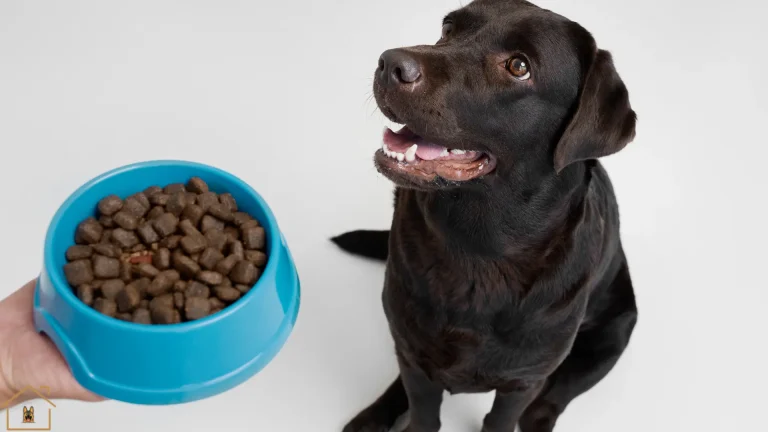
Sudden hunger is usually the first thing owners notice. The puppy that was eating reliably and contentedly at each meal is now finishing and looking at you for more. This is normal during a spurt. The body is burning significantly more fuel than usual to support rapid development, and appetite tracks that demand closely.
That said, if a puppy seems ravenous but is also losing weight, or if hunger is accompanied by lethargy, vomiting, or unusual stools, those signals that a vet visit is warranted. Intestinal parasites can mimic growth-spurt hunger while actually stealing the nutrition that would support growth.
More Sleep
This one tends to startle owners who expect a puppy to be a perpetual motion machine. During a growth spurt, sleep increases substantially. It’s their body’s mechanism for consolidating growth. Bone development, muscle building, and neurological development all accelerate during rest and sleep. A puppy passed out after a short burst of activity during a growth spurt is doing exactly what they should be doing.
The distinction worth knowing: a puppy sleeping more but still alert and engaged when awake, eating normally, and moving without difficulty is in a growth spurt. A puppy that is sleeping excessively and refusing food, moving strangely, or difficult to rouse needs a vet. Context matters.
Sudden Size Changes
The puppy growth timeline traverses through many “overnight growth” milestones. During an active spurt, particularly in larger breeds, height increases can be rapid enough to notice between one week and the next. I’ve taken photos of my GSDs on the same spot week to week during growth phases specifically because the change was that visible. Clothes and collar sizing becomes irrelevant almost as soon as you’ve sorted it.
Temporary Clumsiness
When bones lengthen faster than muscles, coordination becomes harder. You get a puppy that overshoots turns, misjudges jumps, and trips over their own feet in a way that seems to have appeared from nowhere. This is especially pronounced in larger breeds during the 4–6 month window. It resolves as muscle development catches up to skeletal growth but during the spurt itself, it’s a good reason to be mindful about stairs, furniture jumping, and uneven terrain. What puppies need at different ages changes precisely because of how their physical capabilities shift through these phases.
How Breed Size Affects Growth Spurts
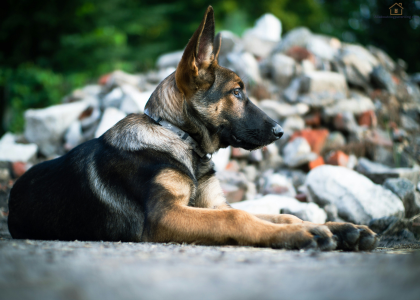
Puppy growth stages can look very different, depending on your puppy’s breed and size.
Small Breeds
Small breed puppies experience their growth spurts earlier and at a higher rate relative to their body size. The arc is steep and short. Most of the active spurting happens in the first six months, with growth winding down around eight to ten months. By a year, most small breeds are physically settled.
Medium Breeds
Medium breeds follow a steadier, more balanced growth pattern. Spurts are present but less dramatic than in giant breeds, and the timeline stretches to about 12–15 months before growth tapers off fully. The awkward proportion phase tends to be less pronounced.
Large and Giant Breeds
This is where growth spurts have the longest runway and the most significance for care decisions. Large and giant breed puppies experience spurts that are bigger in absolute terms and continue for longer. The 3–5 month window is intense, but additional growth spurts can occur through 12 months and beyond, sometimes visibly so, particularly in giant breeds. Large breed dogs may continue experiencing intermittent growth spurts until 18–24 months. Their nutritional and exercise requirements need to be calibrated accordingly for far longer than small breed owners ever have to consider.
How to Support Your Puppy During Growth Spurts
We’re talking about puppy growth spurts because you, as a pet parent, have a significant role in supporting them through these phases. Here’s how:
- Feed appropriately for their age and size: Feed them high-quality puppy food formulated for their breed category. Large breed puppy formulas exist specifically because the calcium and calorie balance needs to be different for bigger dogs. Don’t reduce food because the puppy suddenly seems hungry. During a spurt, that hunger reflects a real need
- Keep meal schedules consistent: Three to four meals daily for young puppies, gradually moving to two as they approach six months. Consistency matters more during spurts than at other times because the body is relying on a steady fuel supply
- Protect developing joints: Growth spurts are precisely the windows when growth plates are most active and most vulnerable. This means no forced jogging, no repetitive high-impact jumping, no long hikes on hard surfaces. Short, controlled activity with rest in between is the right approach. If you’re unsure what’s safe, the puppy exercise by age guide gives age-specific recommendations you can follow with confidence
- Let them rest: Don’t interpret growth-spurt sleeping as laziness or a problem. Sleep is where a significant portion of the actual development happens. A resting puppy during a spurt is a growing puppy.
Common Mistakes Puppy Owners Make
Offering the right support during the different puppy growth stages also means avoiding common pitfalls like,
- Overfeeding during spurts. Increased appetite is real during a growth spurt, but doubling portions without guidance isn’t the answer, especially in large breeds, where rapid weight gain creates orthopedic risk. Adjust within reasonable limits and consult your vet if you’re unsure what the right increase looks like
- Assuming rapid growth means the puppy is overweight. Week-to-week size increases during a spurt are normal. Weight gain during a growth phase reads differently on a scale than the creeping weight of overfeeding. Your vet can help you distinguish between the two with a body condition assessment.
- Comparing puppies from different breed categories. A small breed puppy being “done” growing at 9 months tells you nothing about what a large breed puppy should be doing at the same age. The timelines are entirely different systems
- Increasing exercise to burn off spurt energy. The burst of energy that often accompanies a growth spurt can be read as a signal to exercise more. The opposite is usually the smarter response during an active skeletal spurt. Aim for more mental stimulation, less high-impact physical activity
FAQ
- How long do puppy growth spurts last?
Individual spurts typically last a few days to a few weeks before the pace slows again. The full first year involves several of these cycles, with the most intense growth concentrated in the 3–6 month window. Large and giant breeds continue experiencing periodic growth spurts beyond 12 months.
- Do all puppies have the same growth spurts?
Not in terms of timing or intensity. All puppies experience growth in phases rather than continuously, but when those phases happen, how pronounced they are, and how long the growth window lasts depends heavily on breed size and individual genetics.
- Why does my puppy sleep more during growth spurts?
Because growth is metabolically expensive work. Bone development, muscle building, and neurological consolidation all happen more efficiently during sleep. The extra sleep you’re seeing isn’t a sign that something is wrong. It’s the body doing exactly what it needs to do.
- Can growth spurts affect puppy behavior?
Yes. Some puppies become clingier, some more irritable, and some briefly regress in house training or obedience during a spurt. Temporary behavioral shifts that correspond with a period of visible physical growth are generally nothing to worry about. They typically resolve as the spurt eases.
- How can I tell if my puppy is growing normally?
Steady, consistent weight gain over time is the most reliable indicator. A visible waistline, ribs that you can feel but not see prominently, good energy when awake, and normal appetite all point to healthy development. If growth seems to stall entirely for several weeks, or if appetite or energy changes dramatically without explanation, a vet visit is the right call.
The Bottom Line
Puppy growth spurts are normal, expected, and often dramatic, particularly in larger breeds. The key is recognizing them for what they are rather than reading every symptom as a problem. A suddenly hungry, slightly clumsy, unusually sleepy puppy who has visibly grown since last week is almost certainly just in the middle of a spurt. Feed them well, protect their developing joints, give them space to rest, and resist the urge to compare their timeline to a different breed’s.
The growth doesn’t happen in a straight line, and neither does the first year of dog parenting. But knowing what to expect at each phase makes navigating both considerably easier.